

Dig In, Atlanta: The Victory Garden Legacy Behind Today's Kitchen Garden Movement
How America's Wartime Tradition Inspires Today's Atlanta Kitchen Gardens
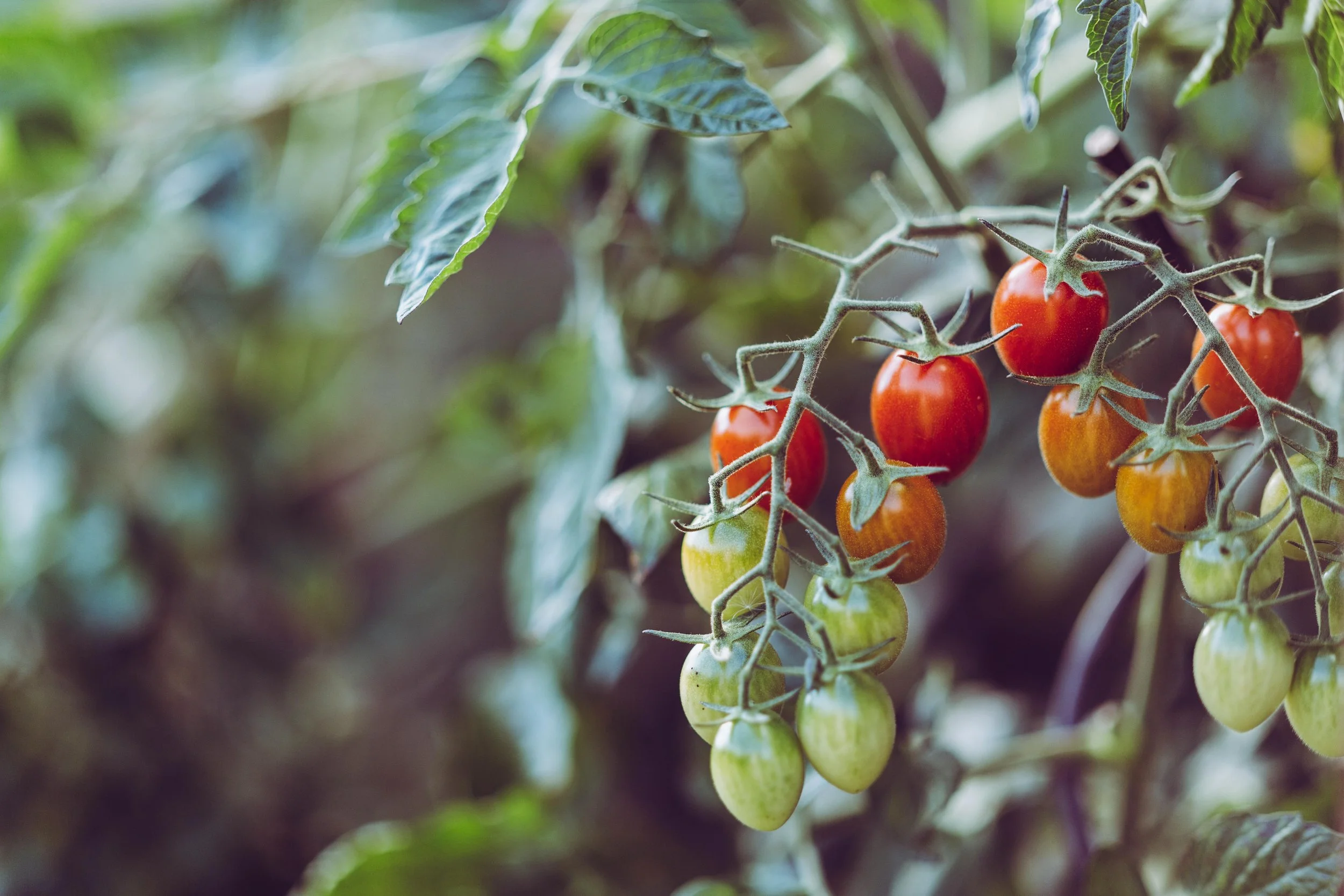
Long before "farm-to-table" entered the American vocabulary, millions of citizens were growing their own food in backyards, on rooftops, and in vacant lots across the country. They called them Victory Gardens. Born from wartime necessity, these small plots of vegetables and herbs helped feed a nation under strain and gave ordinary people a powerful sense of purpose. The story of the Victory Garden is one of resilience, community, and self-sufficiency—values that remain deeply relevant for Atlanta residents today.
For those of us living in Atlanta, Georgia, this history carries special weight. Our long growing season, mild winters, and strong neighborhood identity make it an ideal place to revive the spirit of Victory Gardens in a modern form: the kitchen garden.
When Victory Gardens Took Root in American Culture
The concept of home food production as civic duty first emerged during World War I. In 1917, the National War Garden Commission encouraged Americans to cultivate private and public land, generating over five million gardens and more than a billion dollars in food production by the war's end. These "war gardens" laid the groundwork for an even larger movement.
When the U.S. entered World War II, the government rebranded the effort and introduced Victory Gardens with renewed urgency. Rationing was in effect, farm workers were in short supply, and the nation needed to redirect commercial food toward the military. Growing a Victory Garden wasn't just practical—it was patriotic.
Depression, War, and the Drive to Grow
The Great Depression of the 1930s had already forced families to become resourceful with food, and many Americans entered the 1940s with basic gardening knowledge. The federal government turned that foundation into national strategy. Victory Gardens freed up commercially grown produce, canning supplies, and transportation for the war effort. The USDA and Office of War Information launched campaigns with posters, radio shows, and even comic book heroes encouraging Americans to plant Victory Gardens.
By 1944, roughly 18.5 million Americans were tending Victory Gardens, supplying an estimated 40 percent of the nation's fresh vegetables. Even First Lady Eleanor Roosevelt planted a Victory Garden on the White House lawn, signaling that growing food was a shared national responsibility. By 1945, those Victory Gardens had produced between eight and ten million tons of food. Community plots also became gathering spaces where neighbors shared recipes, war news, and encouragement—much like today's community gardens across Atlanta, Georgia. Victory Gardens introduced many Americans to unfamiliar crops like Swiss chard and kohlrabi, and the gardening habits they built during the war stayed with families for generations.
From Victory Gardens to Kitchen Gardens: What Has Changed?
Today's kitchen garden is the direct descendant of the Victory Garden, though the motivations have evolved. While Victory Gardens were driven by wartime duty, the modern kitchen garden is rooted in personal wellness, environmental awareness, and the desire for fresher food.
A kitchen garden is typically a small-scale growing space—anywhere from 16 to 250 square feet—positioned close to the home. Unlike sprawling row gardens, a kitchen garden is designed to be beautiful, productive, and manageable, focusing on herbs, greens, and vegetables you actually cook with. Raised beds, trellises, and companion planting maximize every square foot.
In practice, Victory Gardens and kitchen gardens share common ground: both emphasize growing food at home, both prioritize vegetables and herbs, and both reward the gardener with better nutrition and a deep sense of satisfaction. The Victory Garden tradition lives on every time an Atlanta homeowner plants a tomato seedling in their backyard.
Why Atlanta Residents Should Start a Kitchen Garden
Atlanta, Georgia is one of the best cities in the Southeast for growing your own food. Situated in USDA Hardiness Zone 8a with over 230 frost-free days, Atlanta's climate supports kitchen garden production in every season. Here are compelling reasons to start:
Fresh, Organic Production: A kitchen garden gives you herbs, vegetables, and fruits grown without commercial pesticides. In Atlanta, you can harvest greens nearly year-round while summer favorites like tomatoes and peppers thrive in our heat.
Curb Appeal and Aesthetics: A well-designed kitchen garden adds beauty to any Atlanta property. Raised cedar beds, herb borders, and vertical trellises create landscapes as striking as any ornamental garden.
Community Building: Kitchen gardens bring people together—just as Victory Gardens did in the 1940s. In Atlanta neighborhoods like Grant Park and Summerhill, gardening connects neighbors through plant swaps, shared harvests, and local farmers markets.
Education for All Ages: A kitchen garden is a living classroom for Atlanta families, teaching children where food comes from and why pollinators matter. Georgia's biodiversity means your garden attracts butterflies, bees, and birds.
Mental Health and Wellness: Time spent gardening reduces stress and promotes mindfulness. For Atlanta professionals navigating demanding schedules and constant screen time, a kitchen garden offers a grounding escape from digital burnout.
Environmental Impact: Every kitchen garden in Atlanta contributes to a healthier ecosystem. Pollinator-friendly herbs and flowers invite bees and beneficial insects back into urban spaces, rebuilding biodiversity one backyard at a time.
Year-Round Harvests in Georgia: Thanks to Atlanta's climate, a kitchen garden can produce food in every season. Cool-season greens fill fall and winter, spring brings root vegetables and herbs, and summer delivers tomatoes and squash. A well-planned kitchen garden in Atlanta never stops producing.
Atlanta Gardening Resources
One of the best things about gardening in Atlanta is the local support network. The UGA Cooperative Extension offers low-cost soil testing for Georgia's red clay. Independent nurseries like Garden*Hood in Grant Park carry plants selected for our climate. For a comprehensive guide to local nurseries, community gardens, and educational programs, visit our Gardening Resources in Atlanta page:
For seasonal planting guides and kitchen garden tips, explore the Pixels to Petals resource library.
Your Victory Garden Story Starts Here with Pixels to Petals
The spirit of the Victory Garden has never disappeared—it has simply evolved. That same drive to grow something meaningful, provide for your family, and find purpose beyond the noise of modern life is alive in Atlanta's growing community of kitchen gardeners. Pixels to Petals is here to guide you every step of the way.
After 30 years in digital marketing, the founder of Pixels to Petals traded screen time for green time—and discovered that the most rewarding work happens with your hands in the soil. Now based in Atlanta, Georgia, Pixels to Petals helps Intown Atlanta residents design, plant, and maintain kitchen gardens that produce fresh herbs, vegetables, and fruits year-round. From soil preparation in Atlanta's challenging red clay to harvest techniques tailored to Georgia's four-season calendar, Pixels to Petals provides personalized guidance for every level of gardener.
Whether you want to grow a few herbs outside your kitchen door or build a full kitchen garden that feeds your family through every season, Pixels to Petals will help you create a space that nourishes your body, calms your mind, and connects you to the land beneath your feet. Your Victory Garden story starts now—right here in Atlanta.
Ready to grow your own food in Atlanta? Book a 60-minute Garden Consultation