

Resources
You Don't Have Time to Learn Gardening. You Have Time to Be Taught.
The distinction that matters: learning to garden is a time-intensive skill acquisition. Being taught to garden is a scheduled appointment. One requires hundreds of hours you don't have. The other requires an hour, a written plan, and roughly twenty minutes a week of maintenance.
5 Questions to Ask Before You Hire a Garden Consultant in Atlanta
Spend ten minutes deciding your primary goal — beauty, food production, or time outdoors with your family. Rank them if you have more than one. That single piece of preparation will shape every answer you get, because a consultant designing for beauty makes different choices than one maximizing harvest.
What Does a Garden Consultant Actually Do? An Atlanta Homeowner's Guide
A garden consultant assesses your property, diagnoses what will and won't grow there, and gives you a specific written plan for building a productive garden — without selling you products or taking over your yard indefinitely.
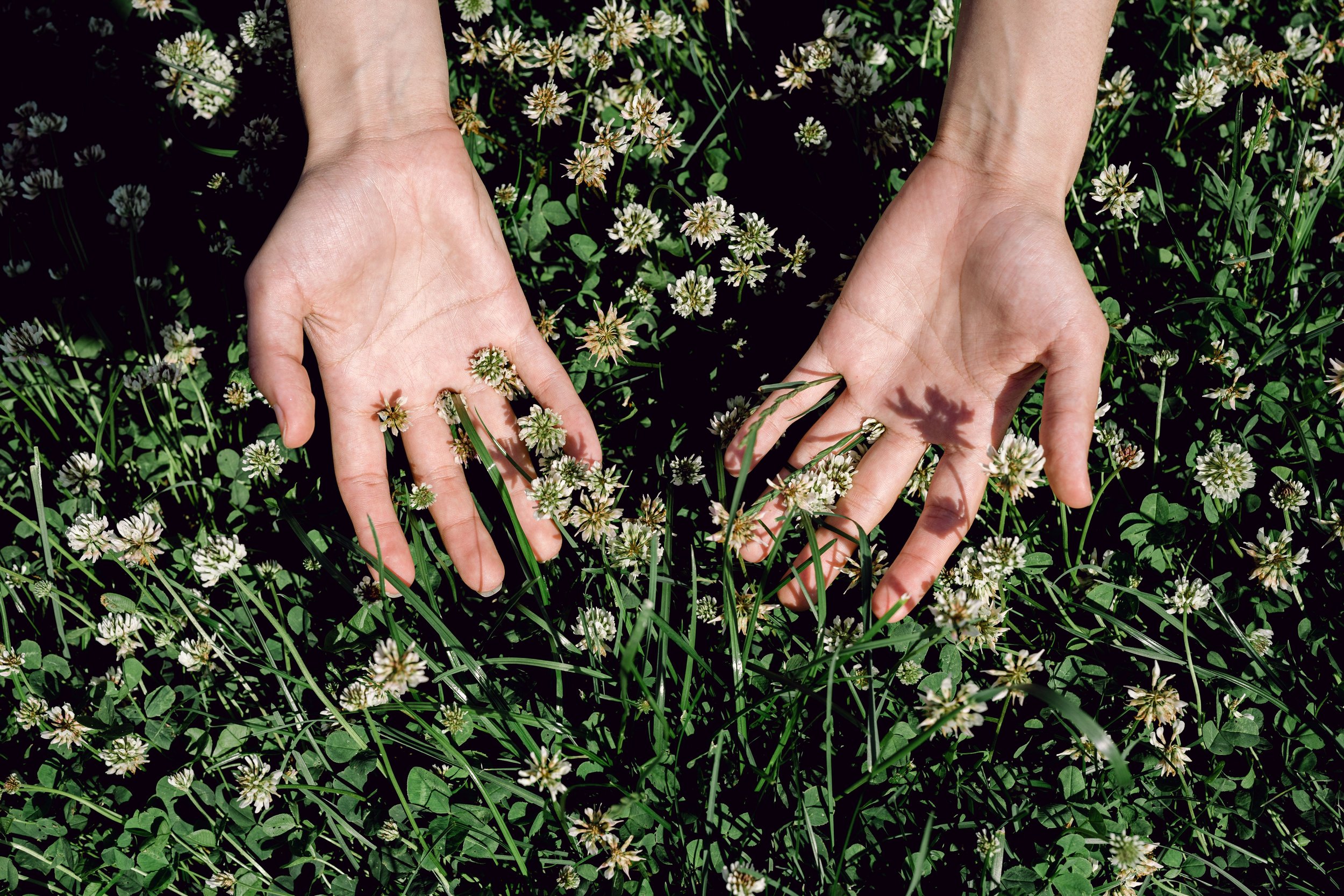
Natural Soil Amendments That Actually Work in an Atlanta Kitchen Garden
There is a better loop, and it starts at the kitchen counter. A natural soil amendment is anything you add to soil to improve its structure, biology, or nutrient content without reaching for a manufactured product. In Atlanta, where dense clay, acidic pH, and brutal humidity define nearly every yard inside the perimeter, the right soil amendment does more than feed a plant. It rebuilds the soil that plant lives in.
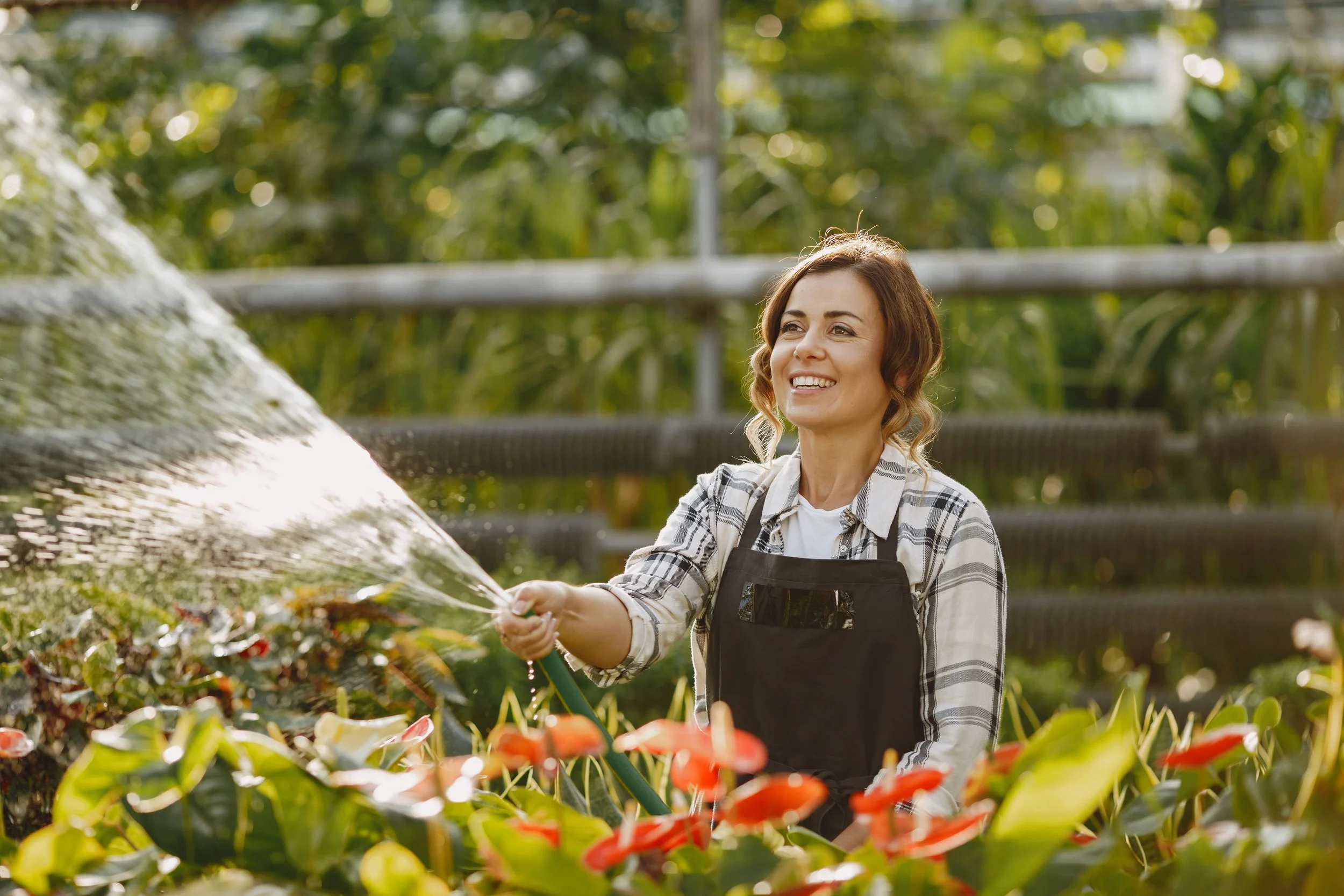
Nature's Pharmacy: 8 Medicinal Plants That Naturally Lift Your Mood
What follows are eight medicinal plants that thrive in Atlanta, why each affects mood, and how to match them to what you are feeling. None replace care from a licensed professional, and a few interact with prescriptions, so treat them as support rather than substitution.
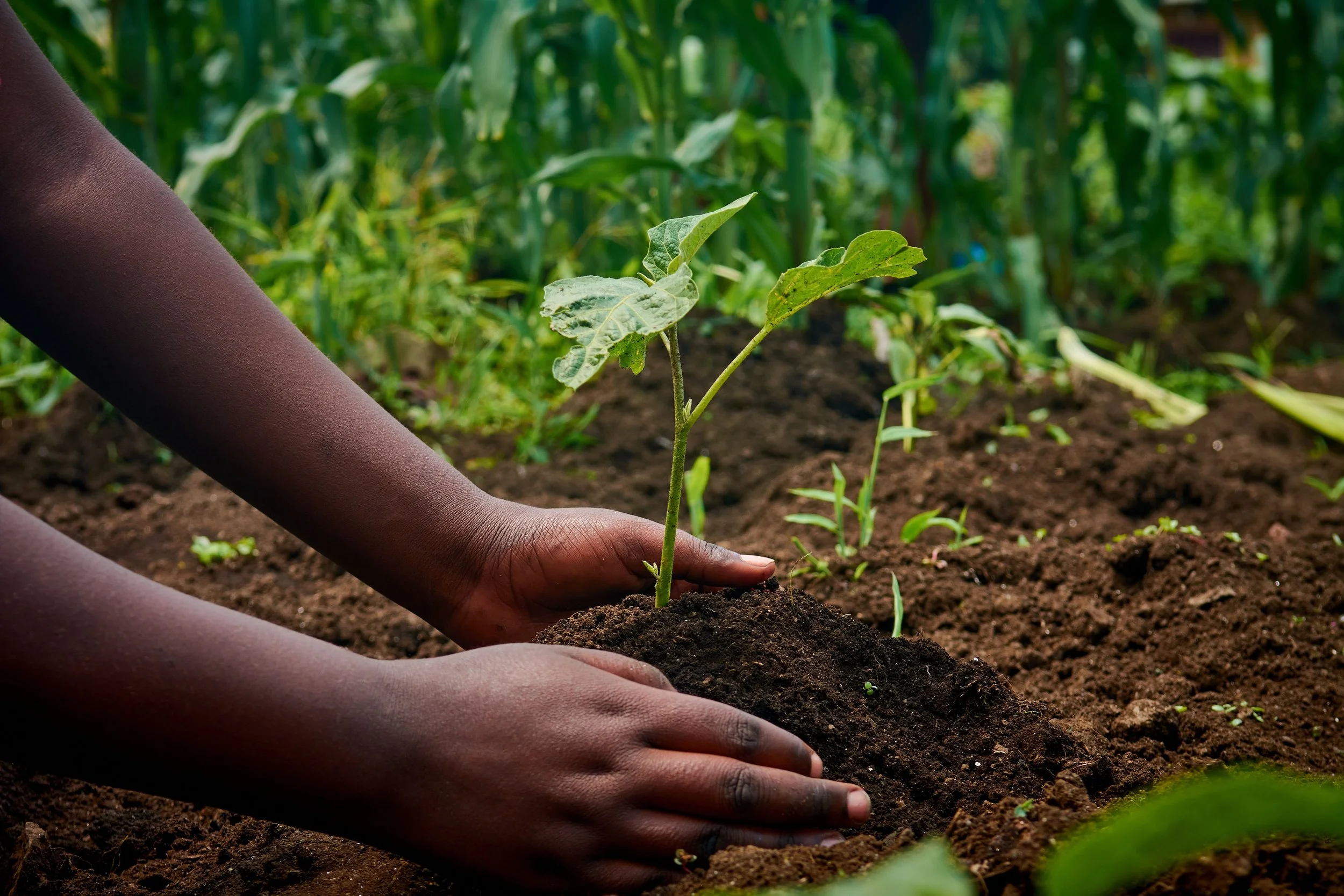
The Science of Soil: Why Getting Your Hands Dirty Calms Your Mind
The research on Mycobacterium vaccae is fascinating and still developing — no one should skip therapy or medication because they turned a compost pile. But you don't need a finished clinical trial to justify what gardeners have known forever. Handling living soil, in daylight, with purpose, on a plot you tend regularly, is good for you.
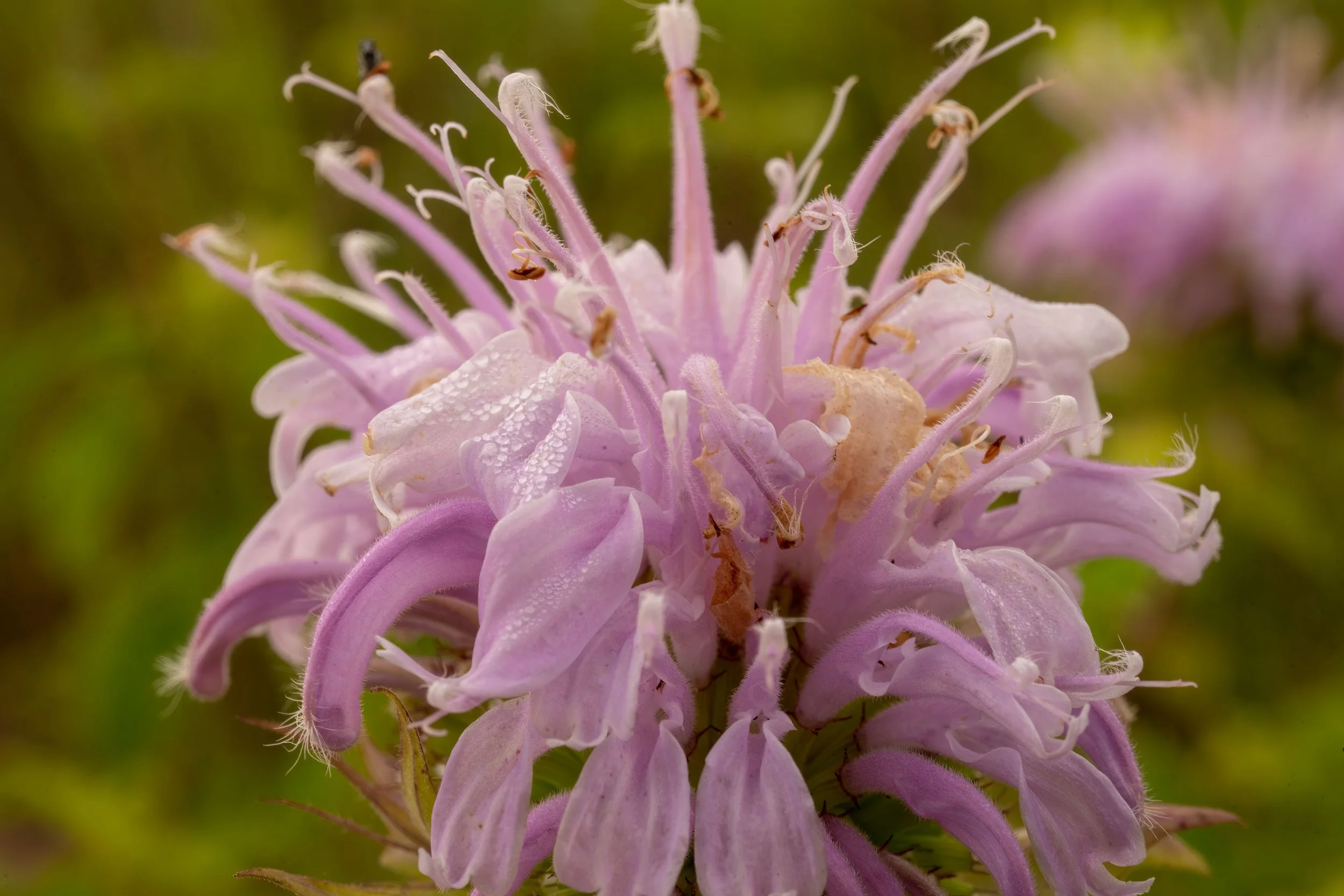
Wild and Well-Fed: The Intown Atlanta Guide to Edible Native Plants
Edible native plants are the rare category where every priority lines up at once. They're adapted to Georgia red clay and Zone 8a's brutal humidity, they feed pollinators and songbirds, they need a fraction of the irrigation your hydrangeas demand, and they put food on your table. The only real hurdle for intown gardeners is sourcing — which is why the question of where to buy native plants in Atlanta comes up often.
Where to Buy Native Plants Around Atlanta
Here's the encouraging news: intown Atlanta has quietly become one of the best places in the Southeast to source Georgia natives. Small nurseries operate inside the Perimeter, nonprofit growers propagate from local seed, and seasonal sales draw hundreds of gardeners. You just have to know the calendar and the map.
Bare Roots and Big Plans: What to Plant in October for Years of Harvests
The answer to what to plant in October is not a list of things you will harvest in November. It is a list of things you will harvest for the next five, ten, or twenty years.
The Overwintering Issue: What to Sow in September for a Head Start on Spring
Understanding what to plant in September is the highest-leverage decision an Atlanta gardener makes all year, because September plantings root deep through a mild winter and then detonate in February.
Sow Now, Eat All Winter: 12 Crops to Get in the Ground This August
August is the most important planting month of the entire year in Zone 8a, and understanding what to plant in August is what separates a garden that quits in September from one that's still handing you dinner in January.
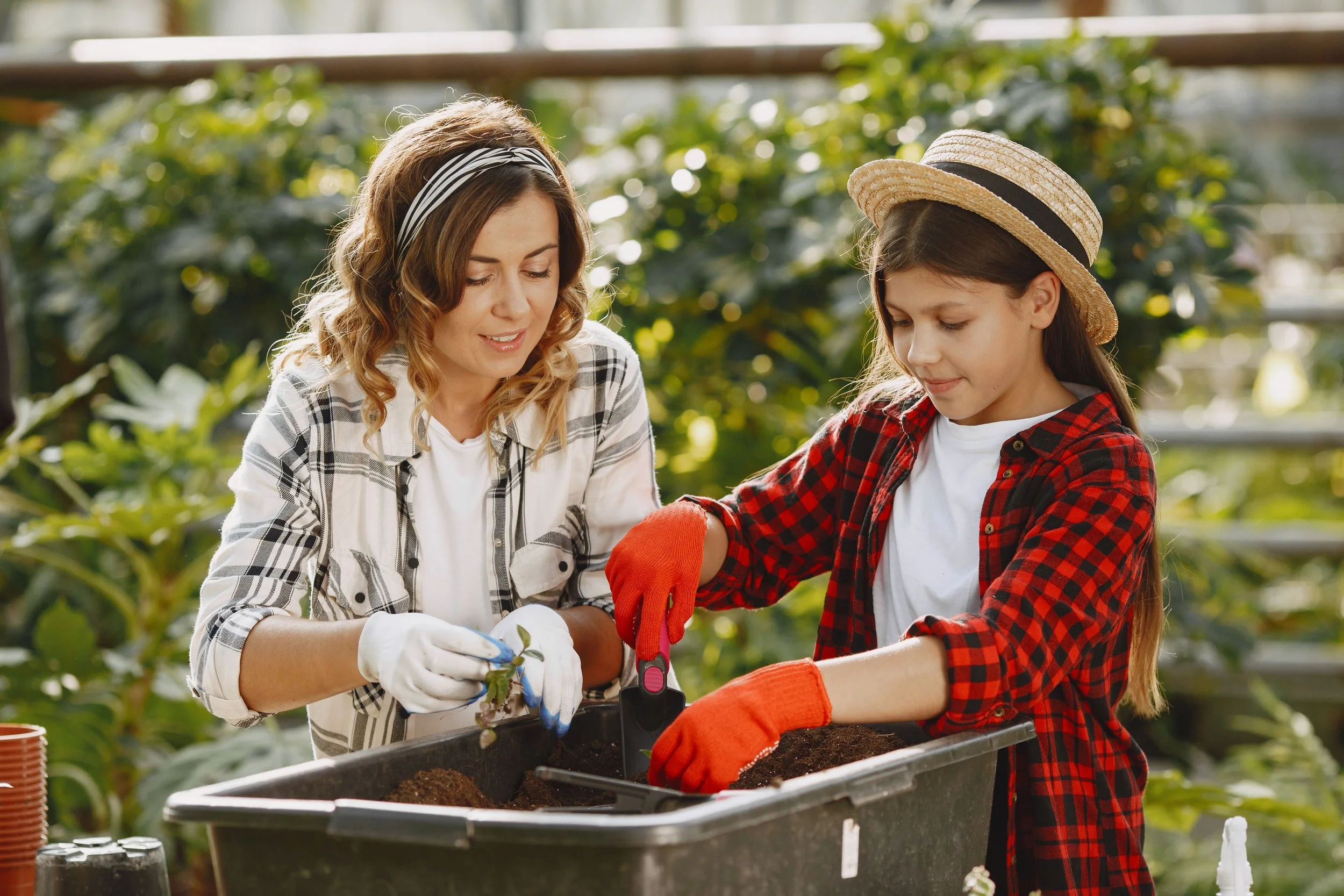
Why "I Don't Know Where to Start" Is Exactly Why You Need a Garden Coach in Atlanta
Atlanta is a hard place to figure out alone: dense red clay, humidity that shuts down tomato fruit set by July, and a tree canopy among the densest of any major American city, so a yard that looked sunny in February sits in dappled shade by June. Not knowing where to start isn't a reason to wait — it's the best reason to bring in a garden coach in Atlanta.
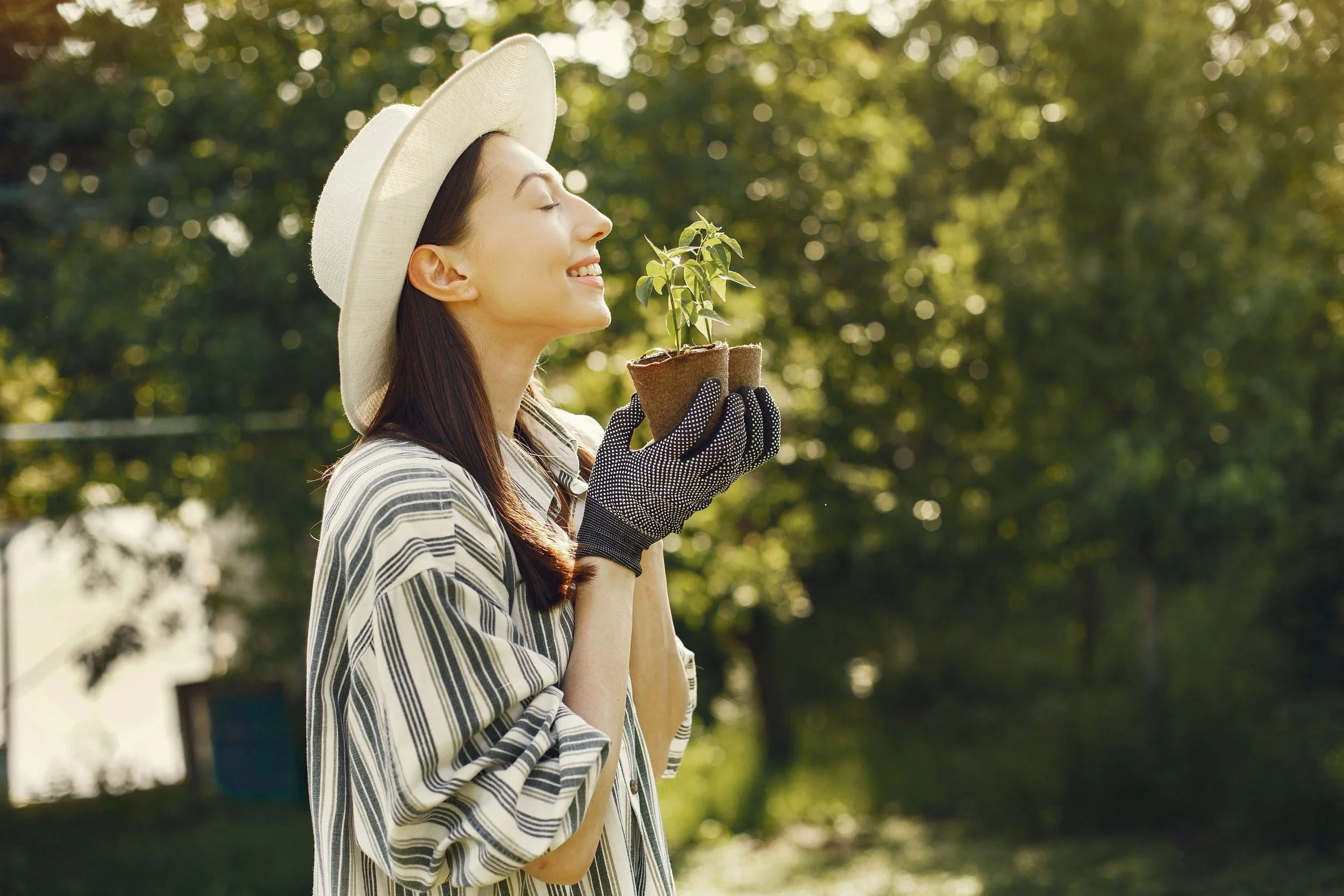
The Mental Health Case for Hiring an Atlanta Gardening Coach
There is a real gap between knowing that soil is good for you and actually keeping a garden alive in Georgia red clay through a Zone 8a August. That gap is where people quit. And quitting the project you hoped would make you feel better tends to leave you feeling worse than when you started. This is the practical, unglamorous, deeply underrated reason to hire an Atlanta gardening coach: not because you cannot learn to garden, but because failing at the thing you took up for your mental health defeats the entire purpose.
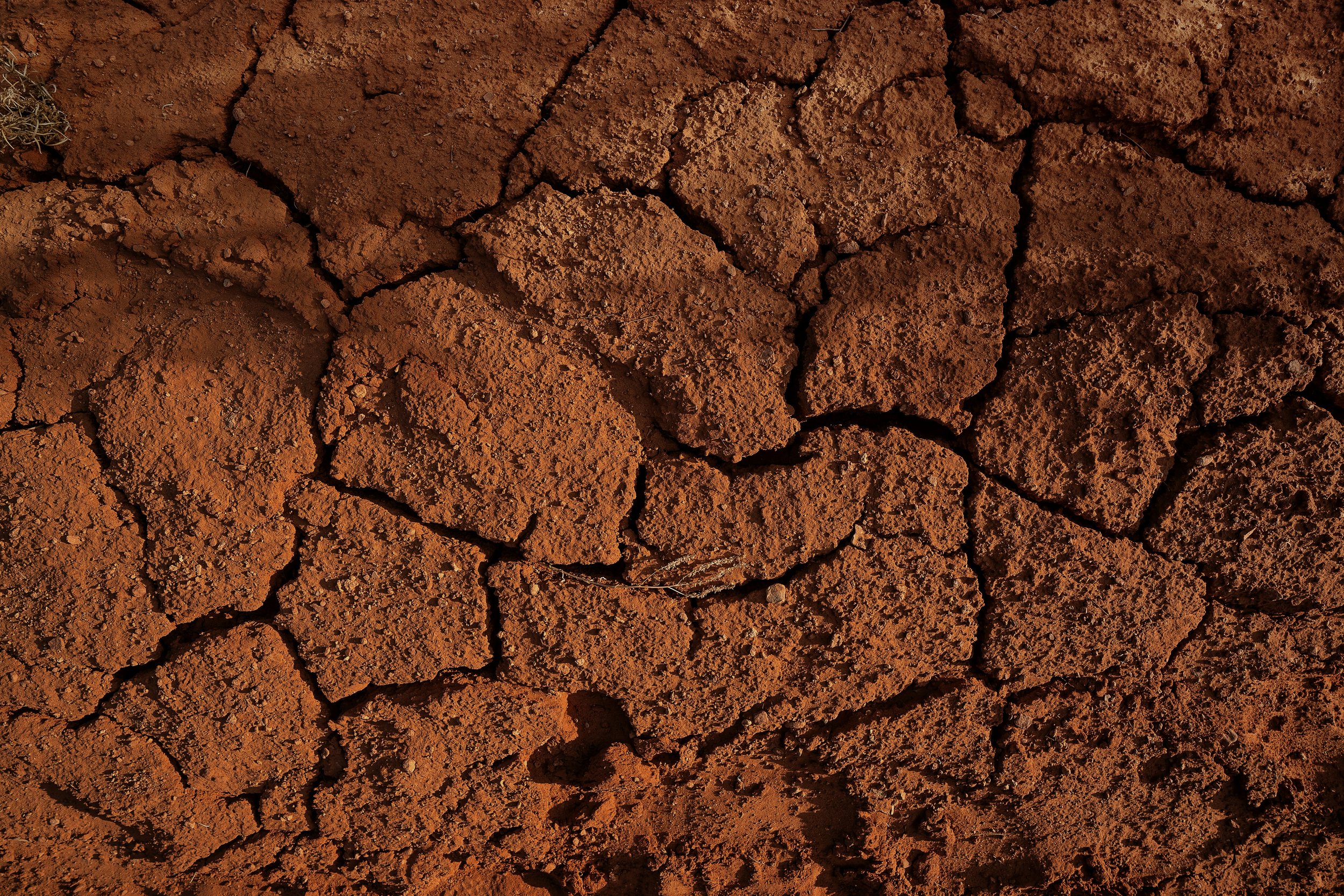
Atlanta's Red Clay: How a Garden Coach in Atlanta Turns Tough Soil Into Thriving Beds
Atlanta red clay is not a curse — it is an unfinished ingredient. What makes it miserable to dig is exactly what lets it hold water and nutrients better than the sandy soils gardeners farther south fight all season. It does not need hauling away. It needs structure, organic matter, and a sequence. That is the work an Atlanta gardening coach does with you, in your own yard.
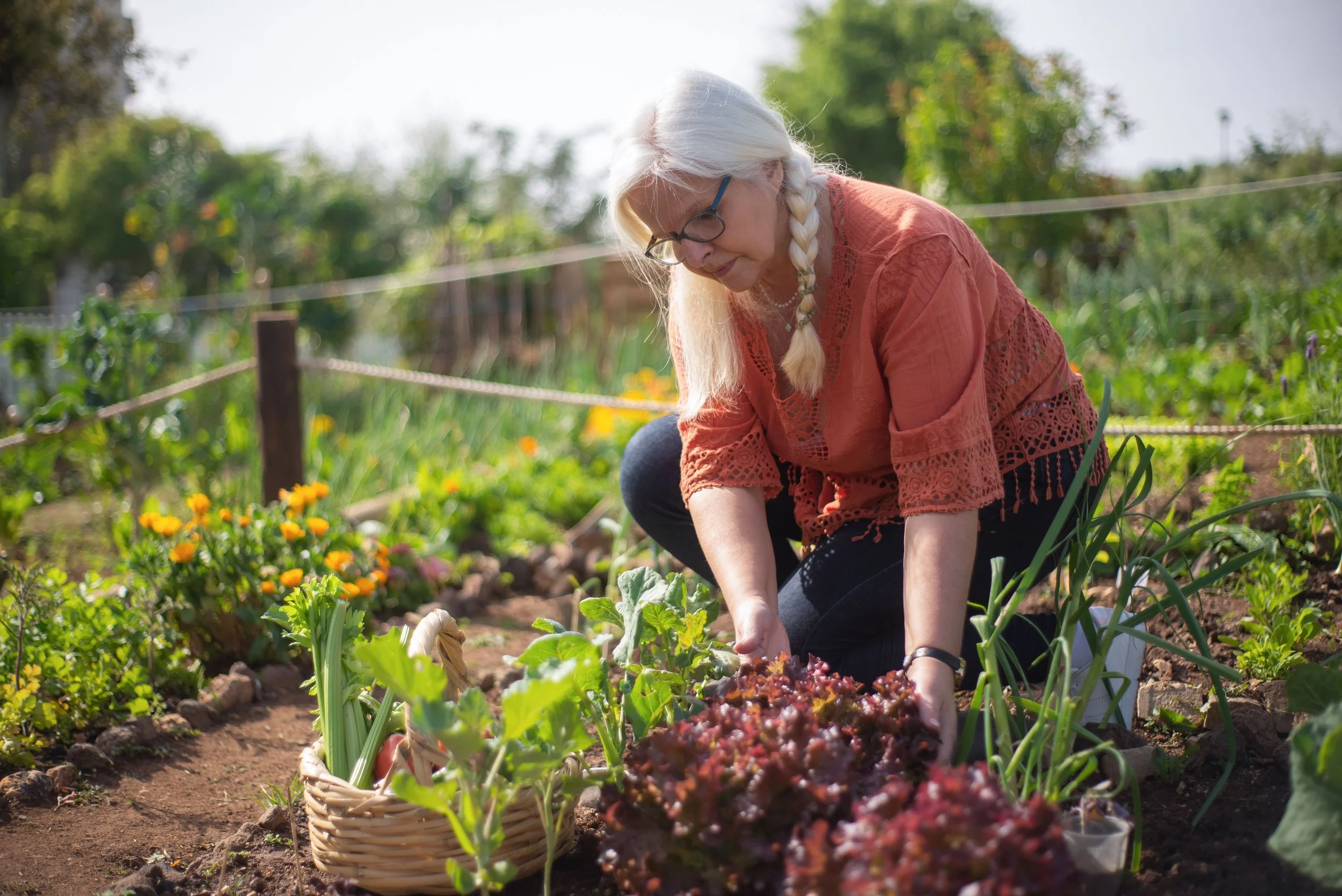
In-Ground vs. Raised Beds in Atlanta: Why Zone 8a Summers Favor Planting in the Ground
Raised beds are a legitimate tool, and there are Atlanta yards where they are unquestionably the right call. But most of the default advice you'll find online was written for gardeners in the Northeast and Upper Midwest, where the growing season is short, spring soil is cold and waterlogged, and the entire goal is to warm the ground up as quickly as possible. Atlanta has the opposite problem. Our limiting factor isn't a shortage of heat. It's five months of it, stacked with humidity, thunderstorm-then-drought swings, and a July sun that can genuinely cook a shallow root zone.
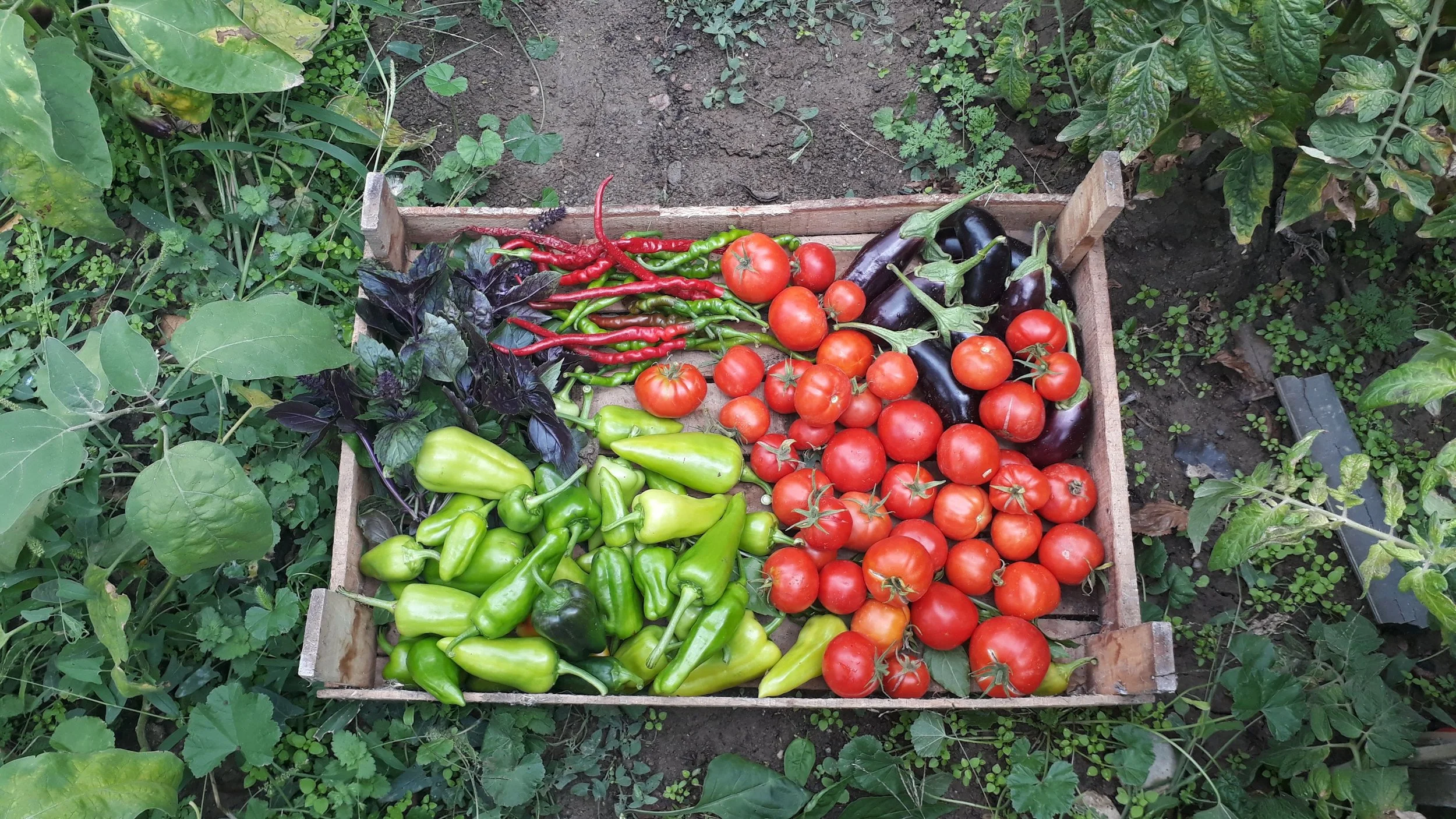
12 Vegetables That Actually Thrive in Atlanta Heat and Humidity (And 5 That Won't)
The good news is that a long, hot, humid season is a gift if you plant for it. Once you match your vegetables to the actual climate, an Atlanta garden can produce from March through Thanksgiving and beyond. Here's what genuinely performs — and what to stop fighting.
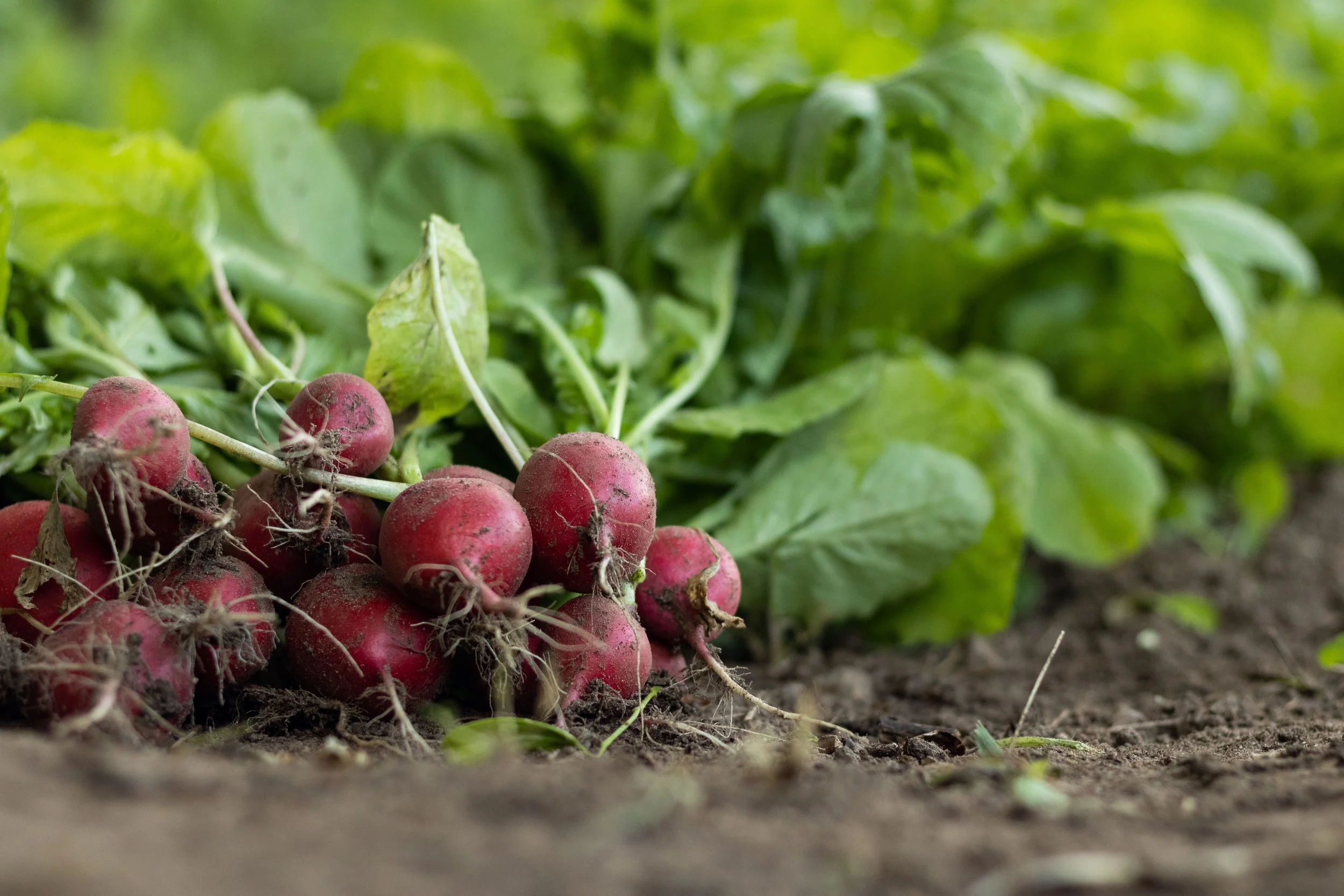
Georgia Red Clay Isn't a Curse: How to Turn It Into Kitchen Garden Soil in One Season
Here is what rarely gets said out loud: red clay is one of the better raw materials for a kitchen garden anywhere in the country. Clay particles are extraordinarily small, which gives them enormous surface area — and surface area is what holds water and nutrients in place instead of letting them wash straight through. Sandy soil drains beautifully and starves your plants. Georgia red clay does the opposite. It hoards. Fertility was never the problem. Structure is the problem, and structure is fixable in a single growing season.
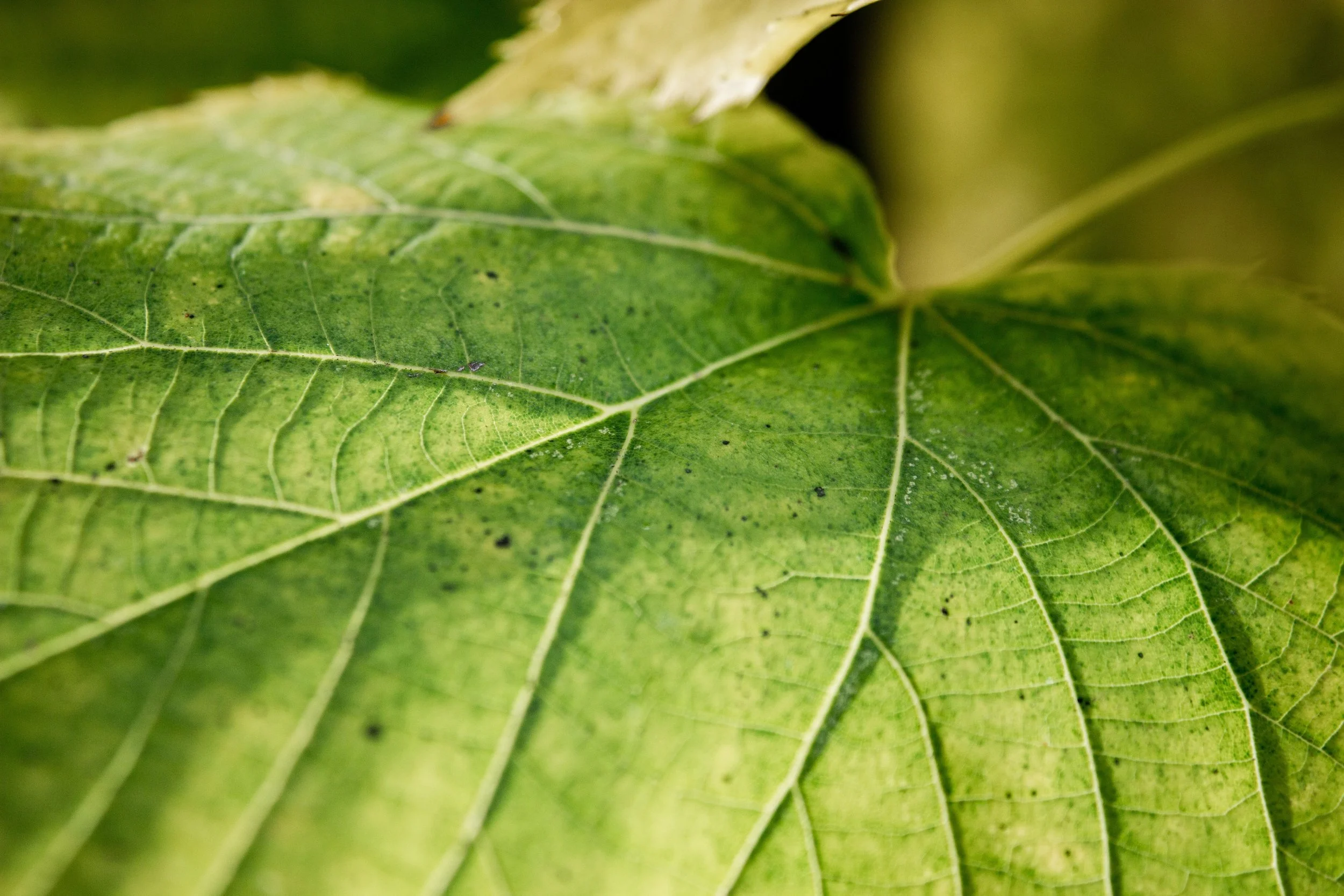
The Hunger Map: Diagnosing Nutrient Deficiencies Leaf by Leaf
Every leaf in your garden is a status report. Long before a plant stops producing, its leaves broadcast exactly which nutrient is running short — in a visual language of color, pattern, and position that any gardener can learn to read. Glance at a struggling plant and ask: is the trouble at the bottom or the top? You've already narrowed the diagnosis in half.