

Resources
Why "I Don't Know Where to Start" Is Exactly Why You Need a Garden Coach in Atlanta
Atlanta is a hard place to figure out alone: dense red clay, humidity that shuts down tomato fruit set by July, and a tree canopy among the densest of any major American city, so a yard that looked sunny in February sits in dappled shade by June. Not knowing where to start isn't a reason to wait — it's the best reason to bring in a garden coach in Atlanta.
Gardening Through Atlanta's Drought: A Practical Survival Guide for the Intown Gardener
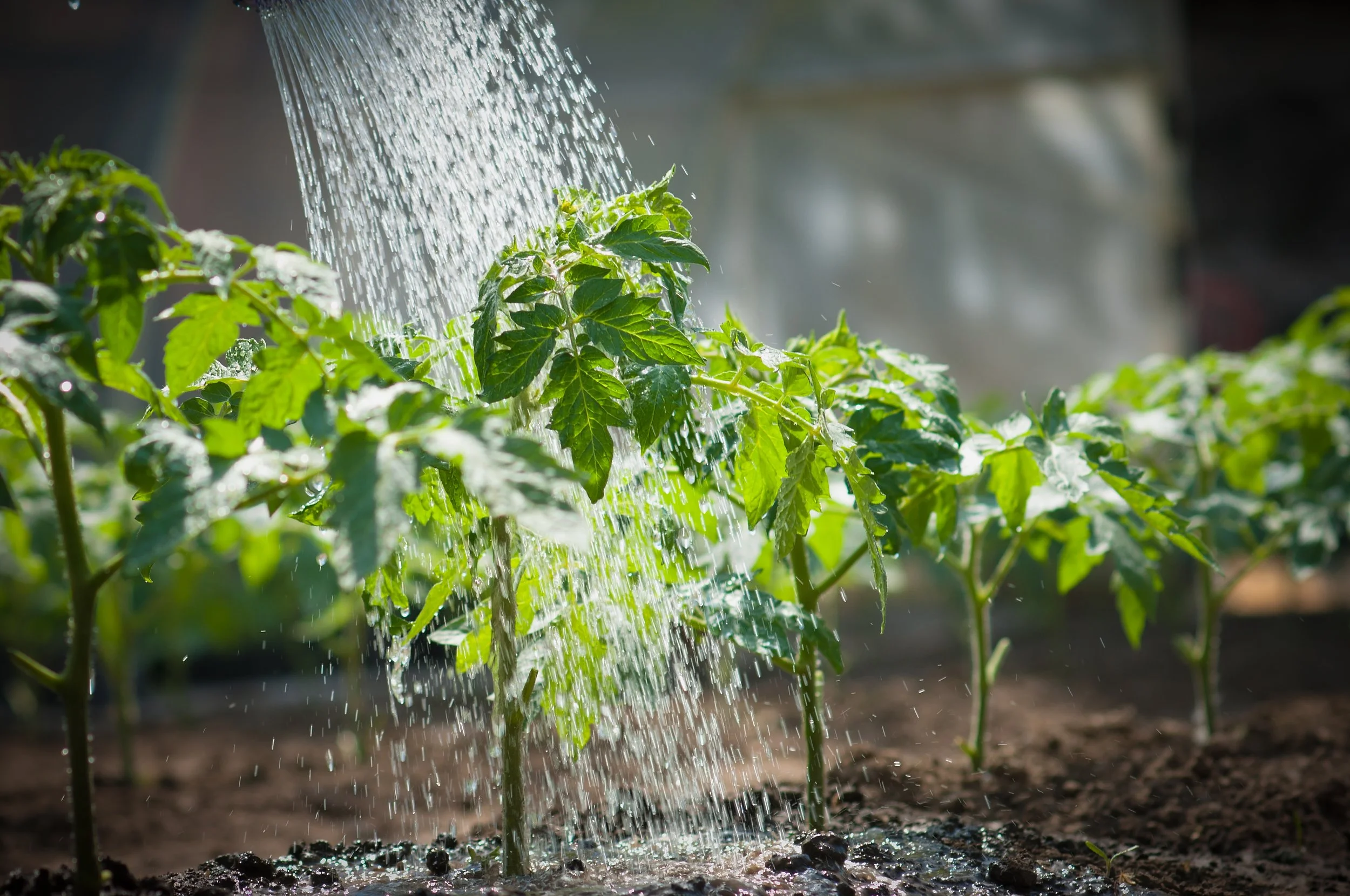
As of April 2026, Georgia is enduring its worst drought in nearly 20 years, with roughly 97% of the state under drought conditions and extreme drought gripping Metro Atlanta itself. For Atlanta gardeners, this means rethinking nearly everything about how we water, plant, and care for our beds.
When Is It Safe to Transplant or Plant Outdoors in Atlanta?
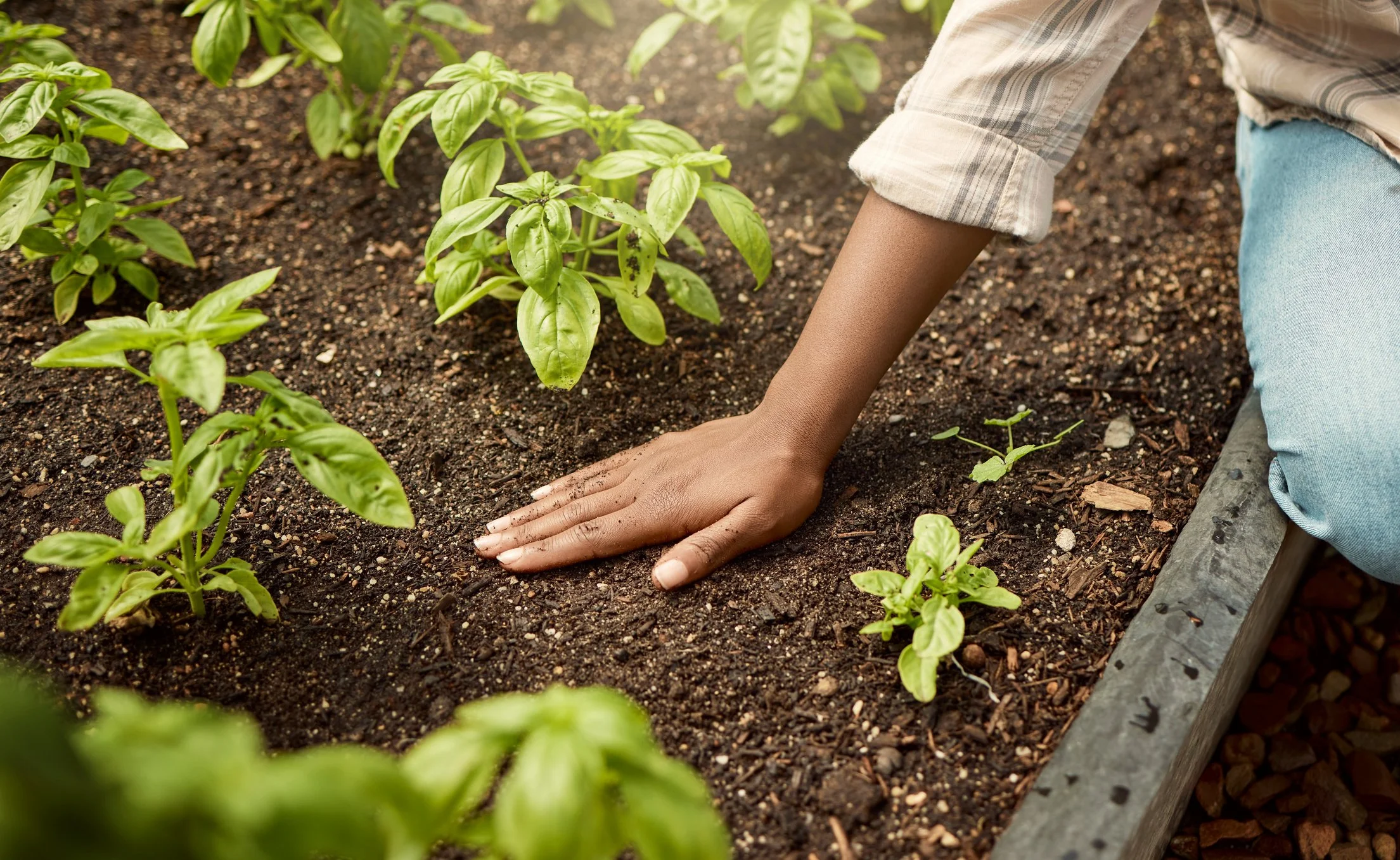
In Atlanta (USDA Zone 8a), the average last frost date falls between April 1 and April 15. A widely trusted rule of thumb among local gardeners is to wait until Tax Day — April 15 — before transplanting frost-tender crops like tomatoes, peppers, and basil outdoors.
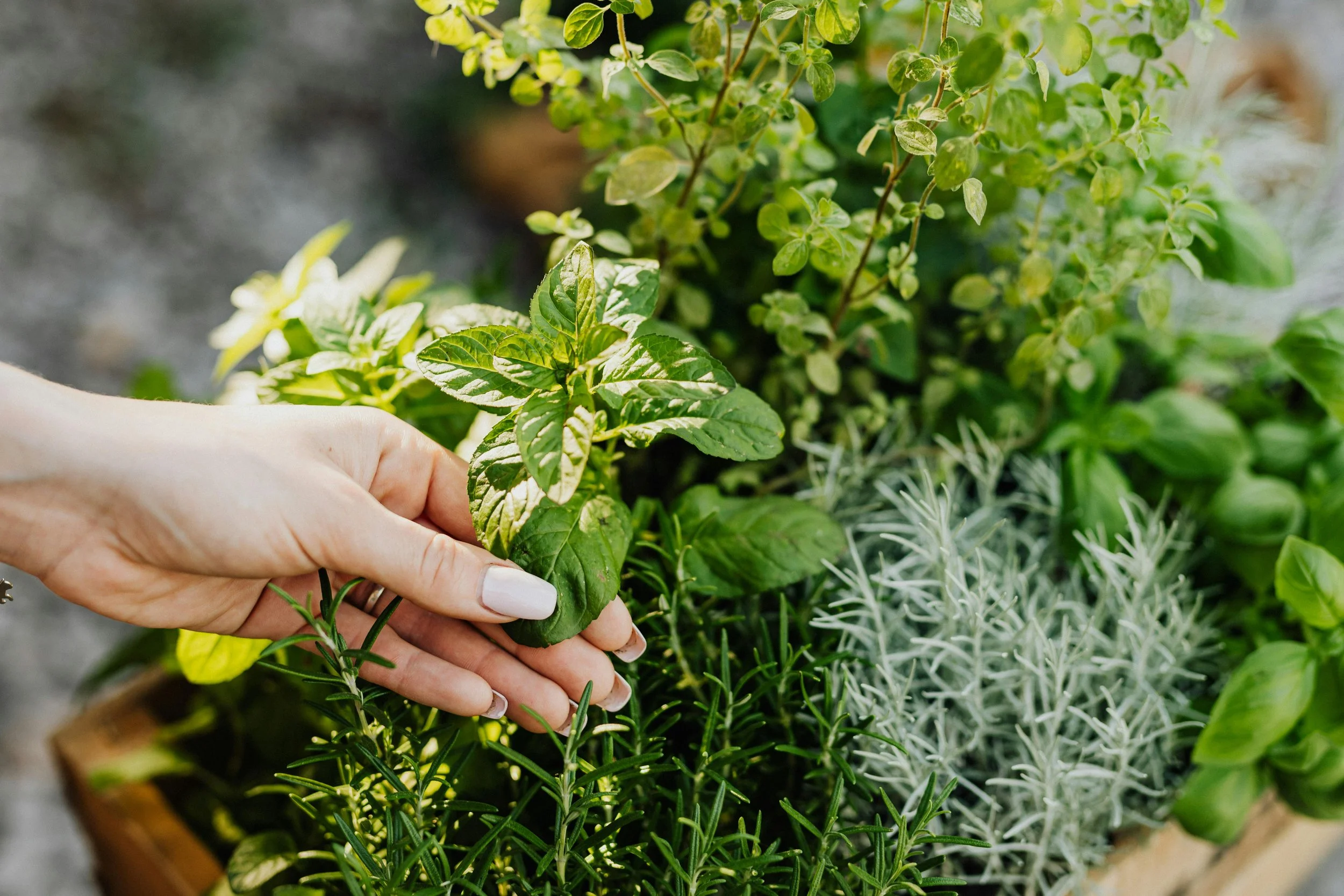
Which medicinal herbs grow well in Atlanta for first-time growers?
Several medicinal herbs are well-suited for first-time gardeners in Atlanta, and you may be surprised how forgiving and rewarding they can be once you understand a few key local growing conditions — starting with the soil beneath your feet.
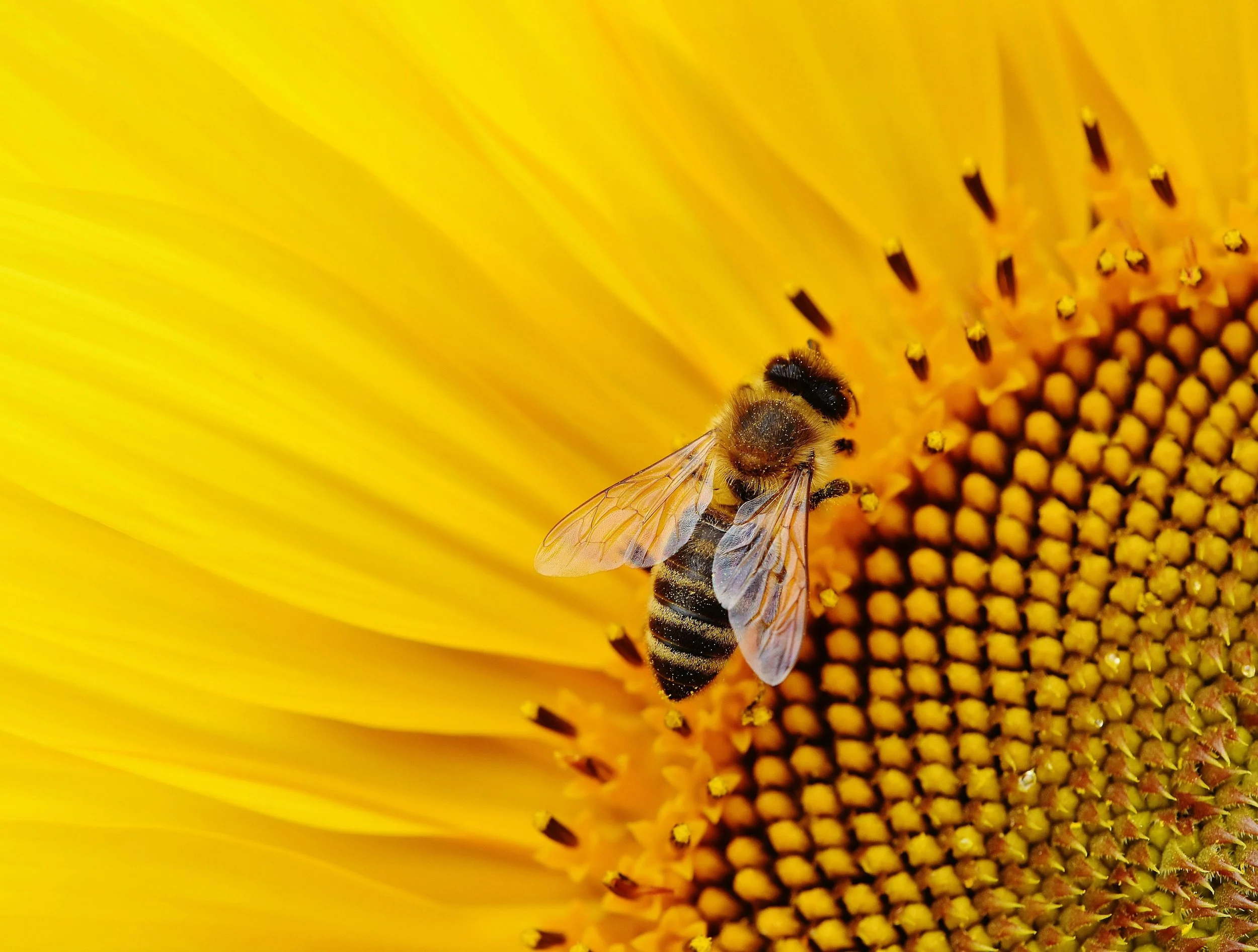
What Herbs Attract Bees in Atlanta?
Few garden investments pay off faster than planting the right herbs — bees find them quickly, visit repeatedly, and reward Atlanta kitchen gardeners with better harvests of tomatoes, peppers, squash, and fruit.
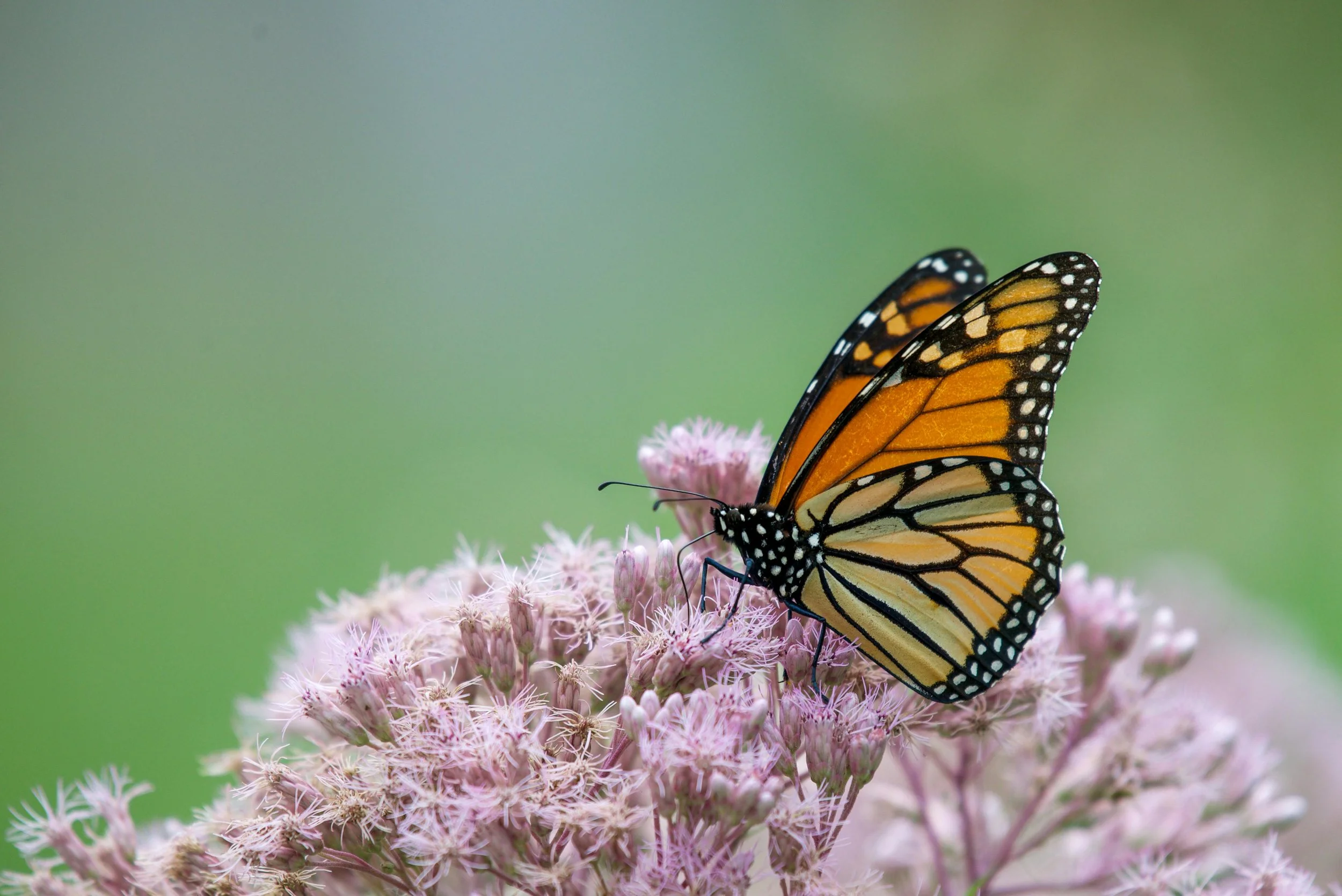
Herbs That Attract Pollinators and Beneficial Insects in Atlanta
Strong performers for Atlanta gardens include catmint, fennel, dill, and cilantro allowed to flower — all of which attract parasitic wasps and hover flies that prey on common garden pests. Leaving a patch of flowering herbs to bolt rather than harvesting everything is one of the simplest strategies for building a beneficial insect ecosystem.
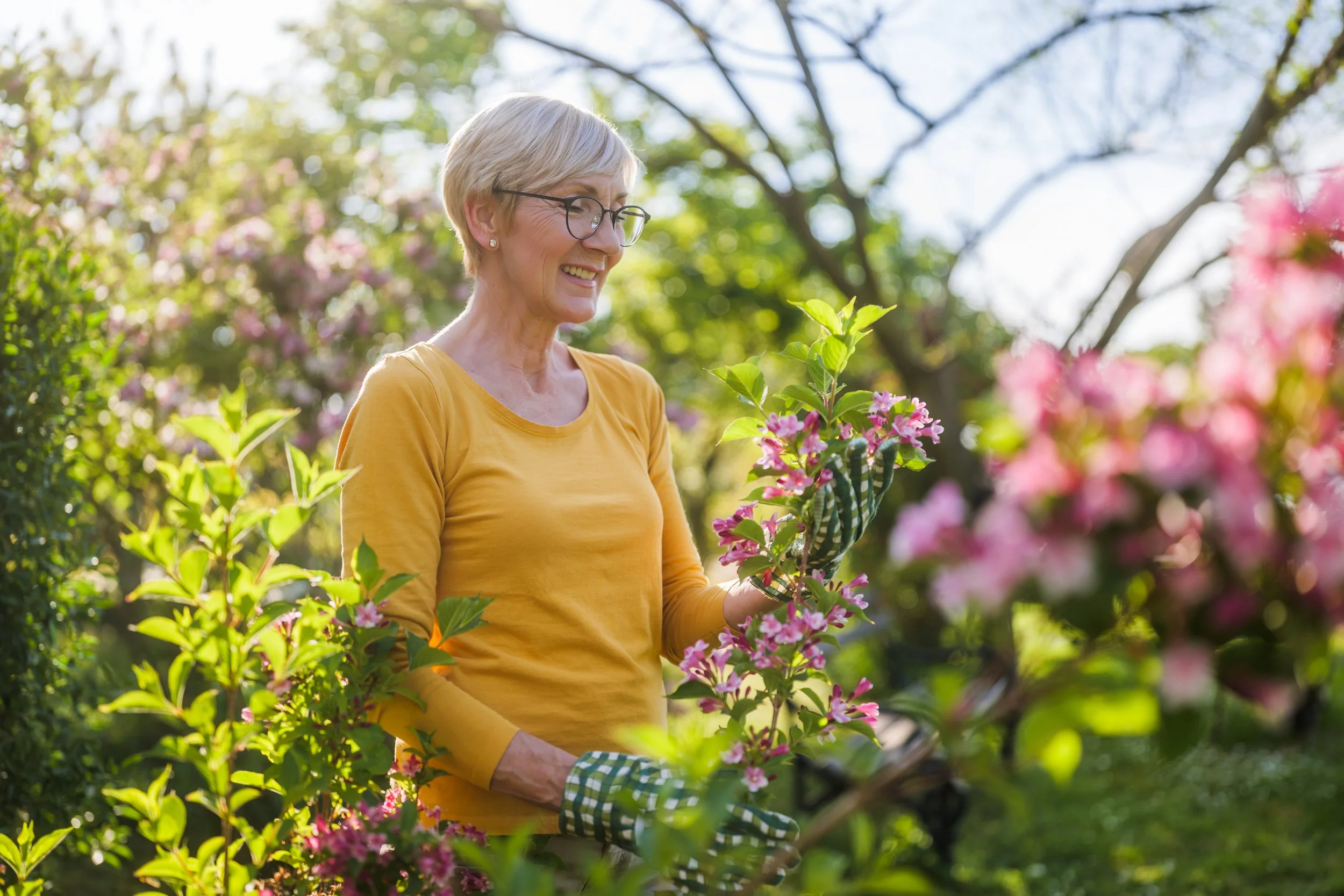
What is an Atlanta Garden Consultant?
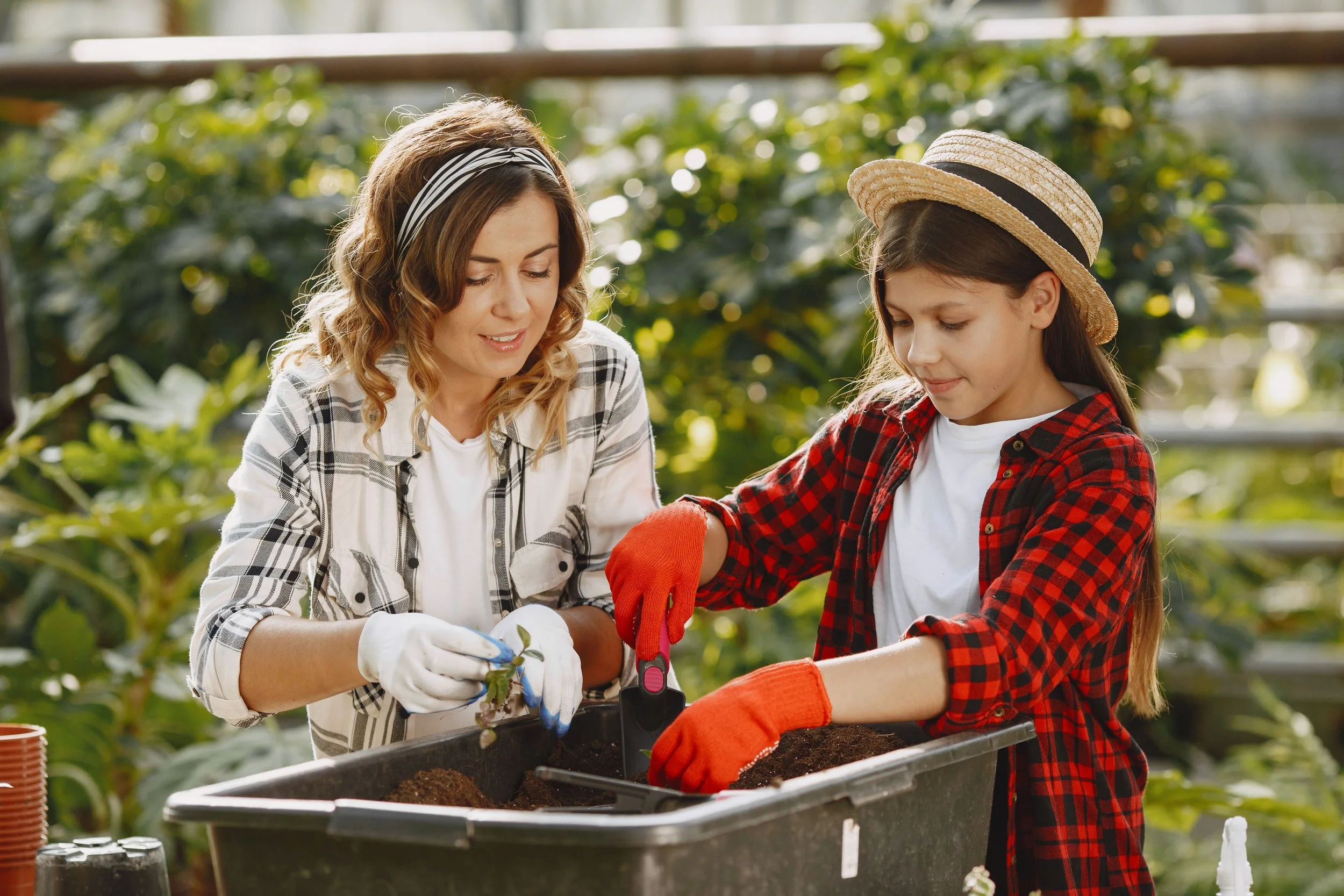
Whether you're a complete beginner overwhelmed by gardening advice online or an intermediate gardener wanting to expand your space, a garden consultant provides the local knowledge and hands-on mentorship to help you succeed—without wasting time or money on trial and error.
What Can and Can't I Compost?
For Atlanta gardeners, finished compost is especially valuable worked into beds as an amendment, not used straight as a growing medium, which can spike pH and nutrient levels too high for vegetables.