

Resources
Bare Roots and Big Plans: What to Plant in October for Years of Harvests
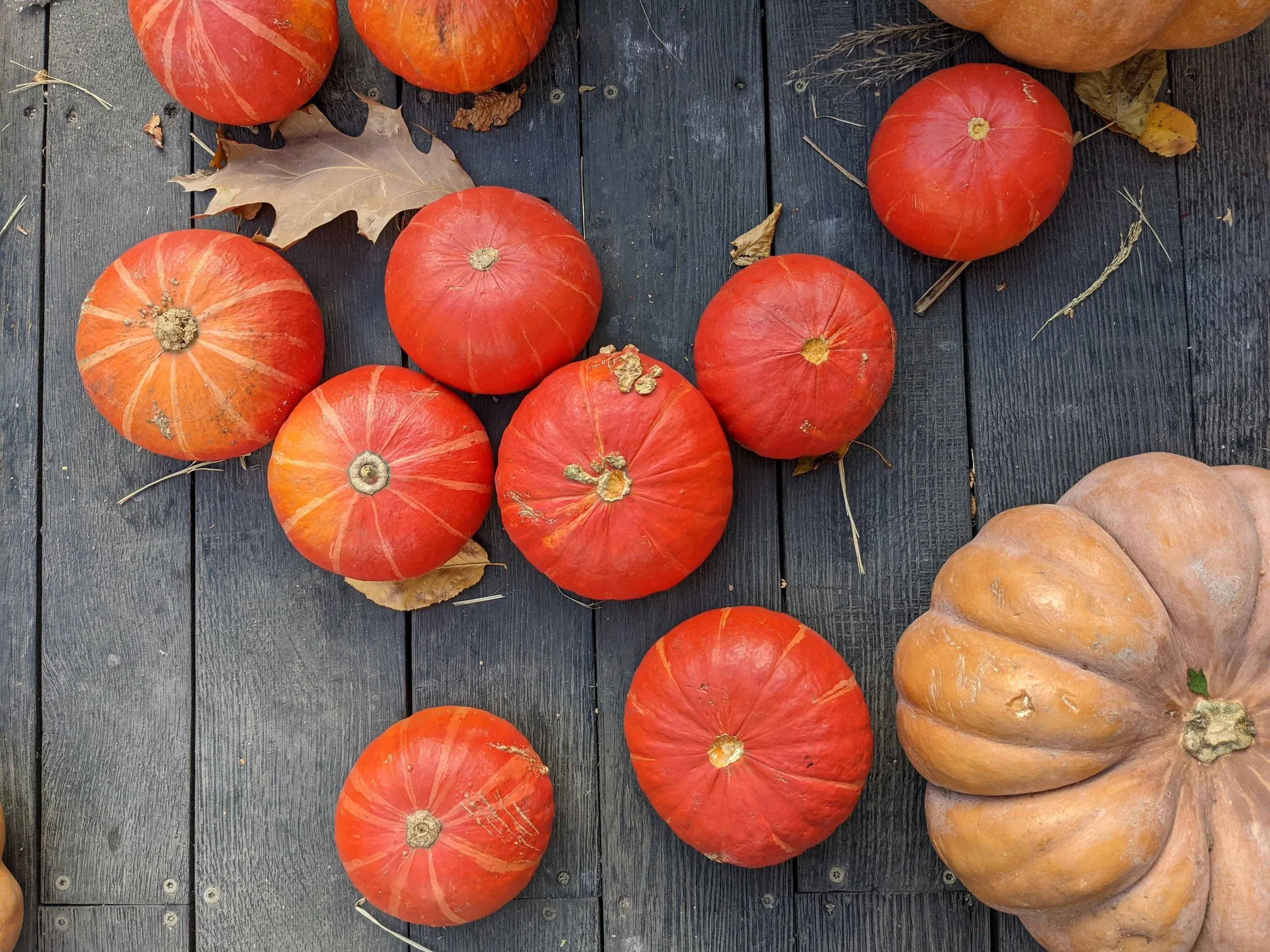
The answer to what to plant in October is not a list of things you will harvest in November. It is a list of things you will harvest for the next five, ten, or twenty years.
The Overwintering Issue: What to Sow in September for a Head Start on Spring
Understanding what to plant in September is the highest-leverage decision an Atlanta gardener makes all year, because September plantings root deep through a mild winter and then detonate in February.

Atlanta's Red Clay: How a Garden Coach in Atlanta Turns Tough Soil Into Thriving Beds
Atlanta red clay is not a curse — it is an unfinished ingredient. What makes it miserable to dig is exactly what lets it hold water and nutrients better than the sandy soils gardeners farther south fight all season. It does not need hauling away. It needs structure, organic matter, and a sequence. That is the work an Atlanta gardening coach does with you, in your own yard.
What to Plant in Atlanta in May: A Week-by-Week Guide for Zone 8a
Atlanta sits in USDA Hardiness Zone 8a, with an average last spring frost around mid-April and a first fall frost in early November. That gives us roughly seven months of growing time, but May is the linchpin. The decisions you make this month set up your summer harvests, your fall garden, and the overall productivity of your kitchen garden for the rest of the year.
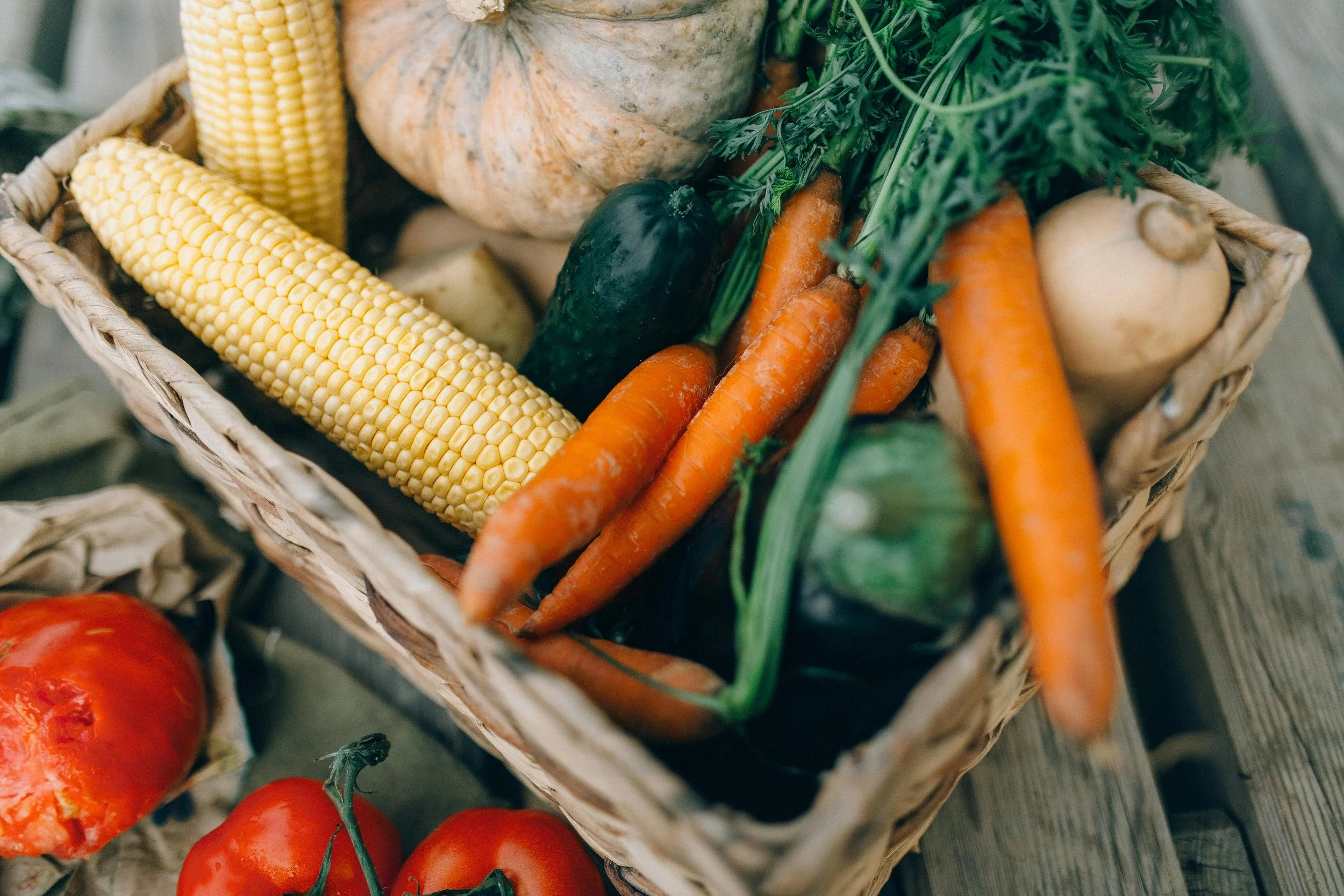
Spring Garden Success in Georgia Starts Now—Here's Your Step-by-Step Guide
Prepare your soil first. Add a fresh layer of compost to your raised beds or garden plot before planting anything. Compost amends the soil and creates a healthy foundation, and you'll notice an immediate difference in color and texture.
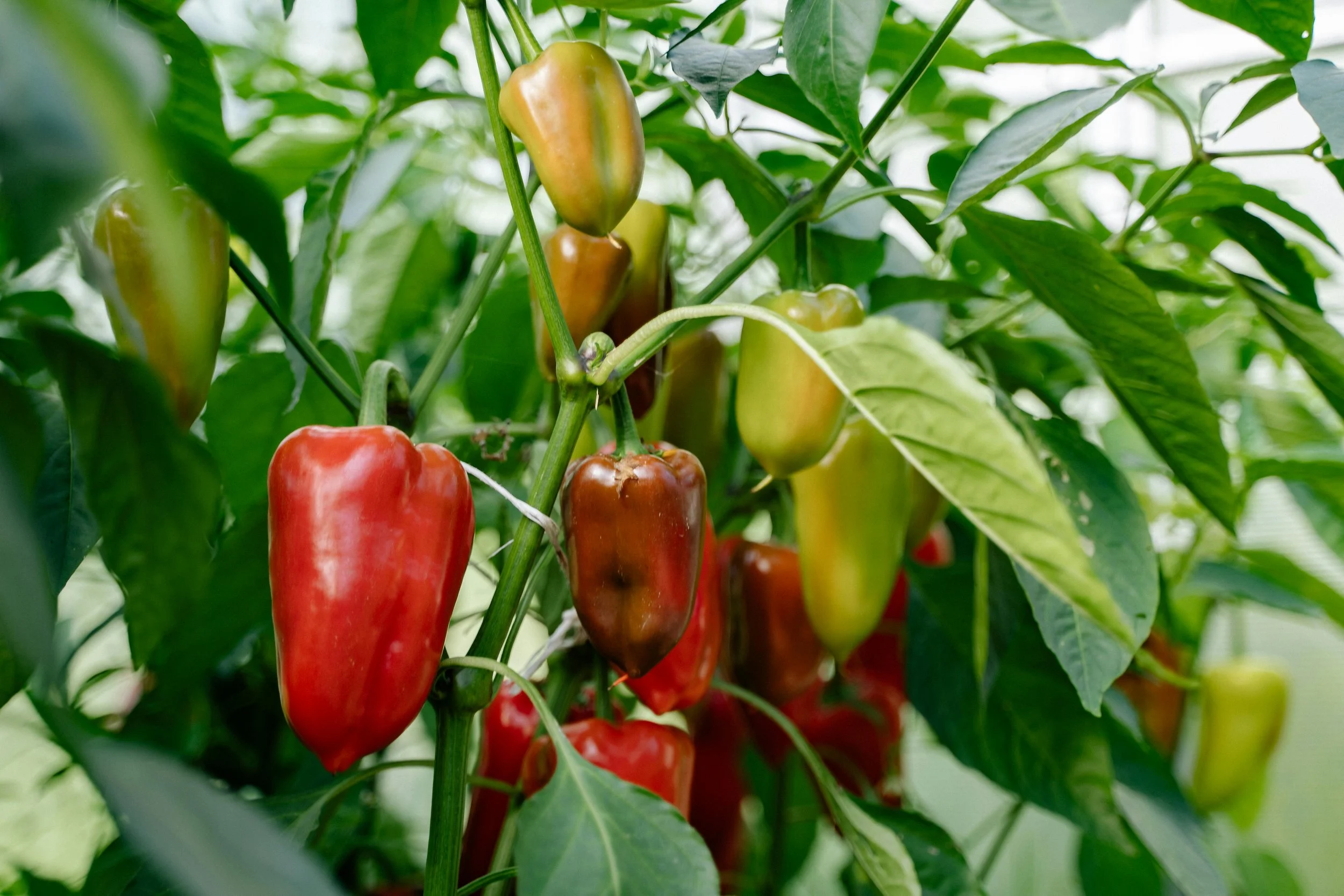
What Is a Kitchen Garden?
Because a kitchen garden sits so close to your home, it's often designed to be as beautiful as it is productive — think raised beds, trellises, and seasonal plantings that look great year-round. It's less about becoming a farmer and more about weaving fresh, homegrown ingredients into your daily life.
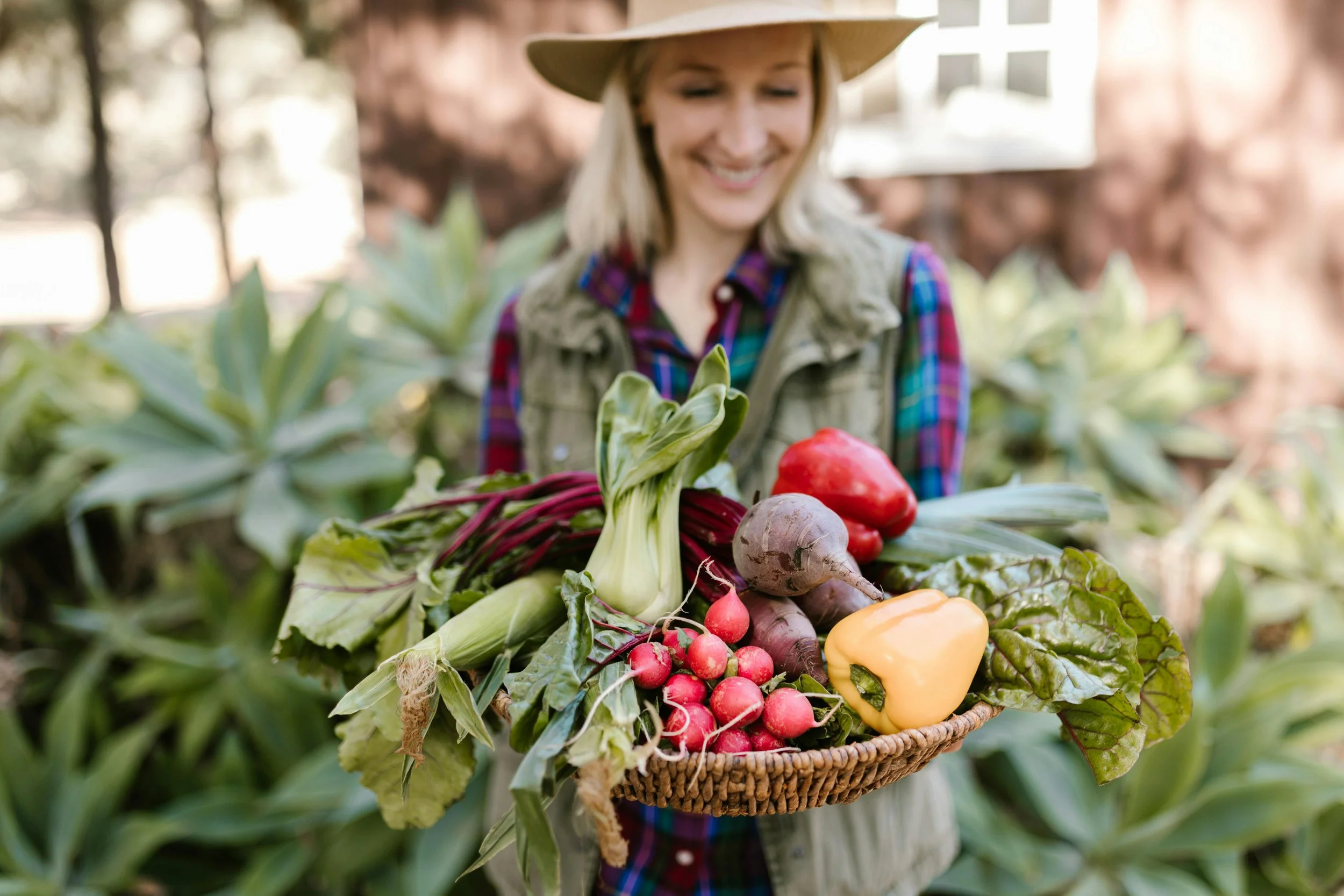
What to Plant in March in Atlanta
Direct-sow beets, radishes, mustard, and turnips into your beds this month. Keep harvesting outer leaves from any lettuce, spinach, or collards you planted earlier to encourage continued production. Cilantro, dill, and parsley can go straight into the ground as soon as soil is workable and will be harvest-ready in about 45 days.
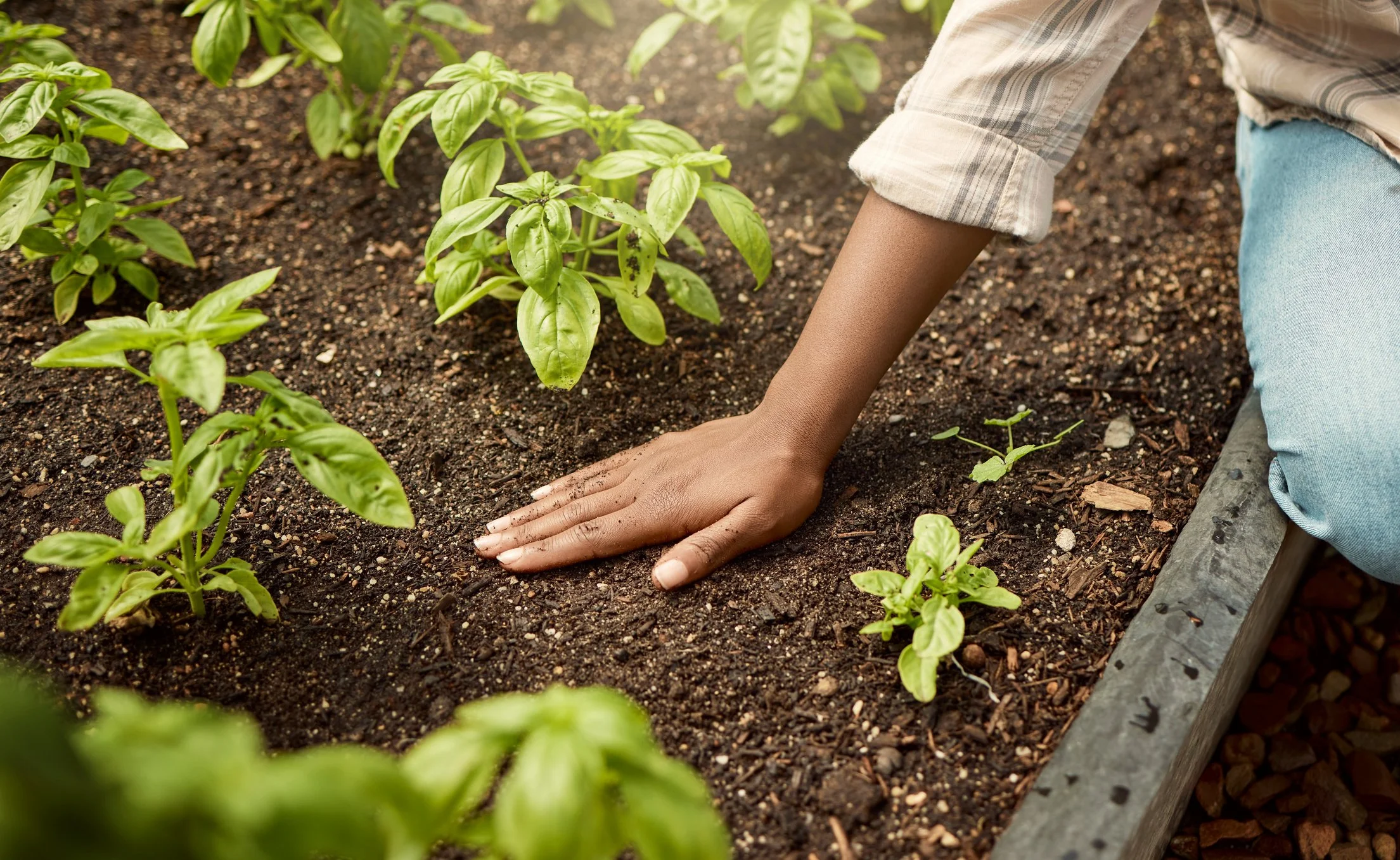
When Is It Safe to Transplant or Plant Outdoors in Atlanta?
In Atlanta (USDA Zone 8a), the average last frost date falls between April 1 and April 15. A widely trusted rule of thumb among local gardeners is to wait until Tax Day — April 15 — before transplanting frost-tender crops like tomatoes, peppers, and basil outdoors.
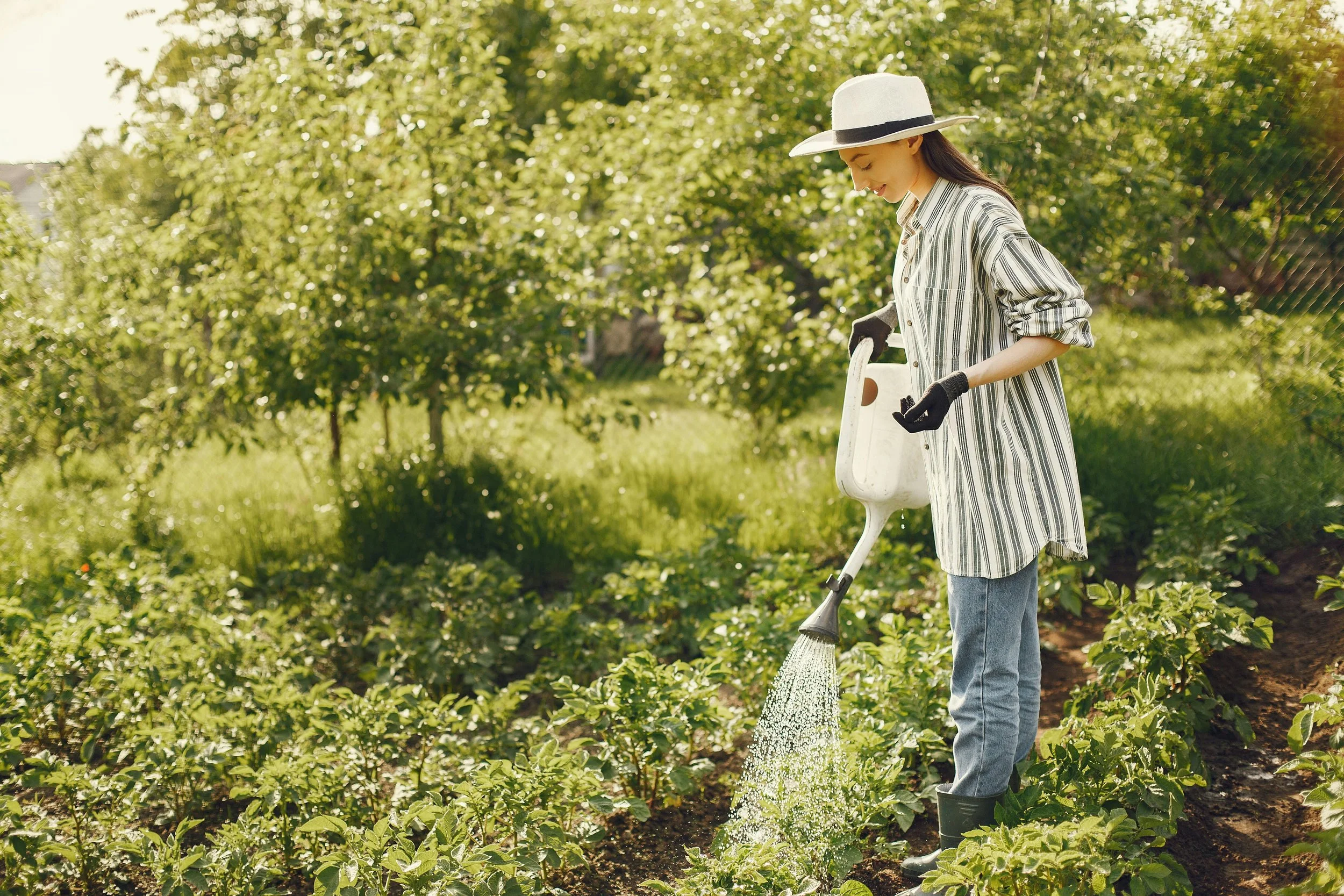
5 Steps to Starting a Vegetable Garden
Start with Leaves, Then Roots, Then Fruit – Begin with easy herbs like basil and oregano, plus lettuces and arugula. These require less space, sun, and time than other crops. Once you've mastered herbs and leafy greens, progress to root vegetables like radishes and carrots, then graduate to fruiting plants like tomatoes and peppers.
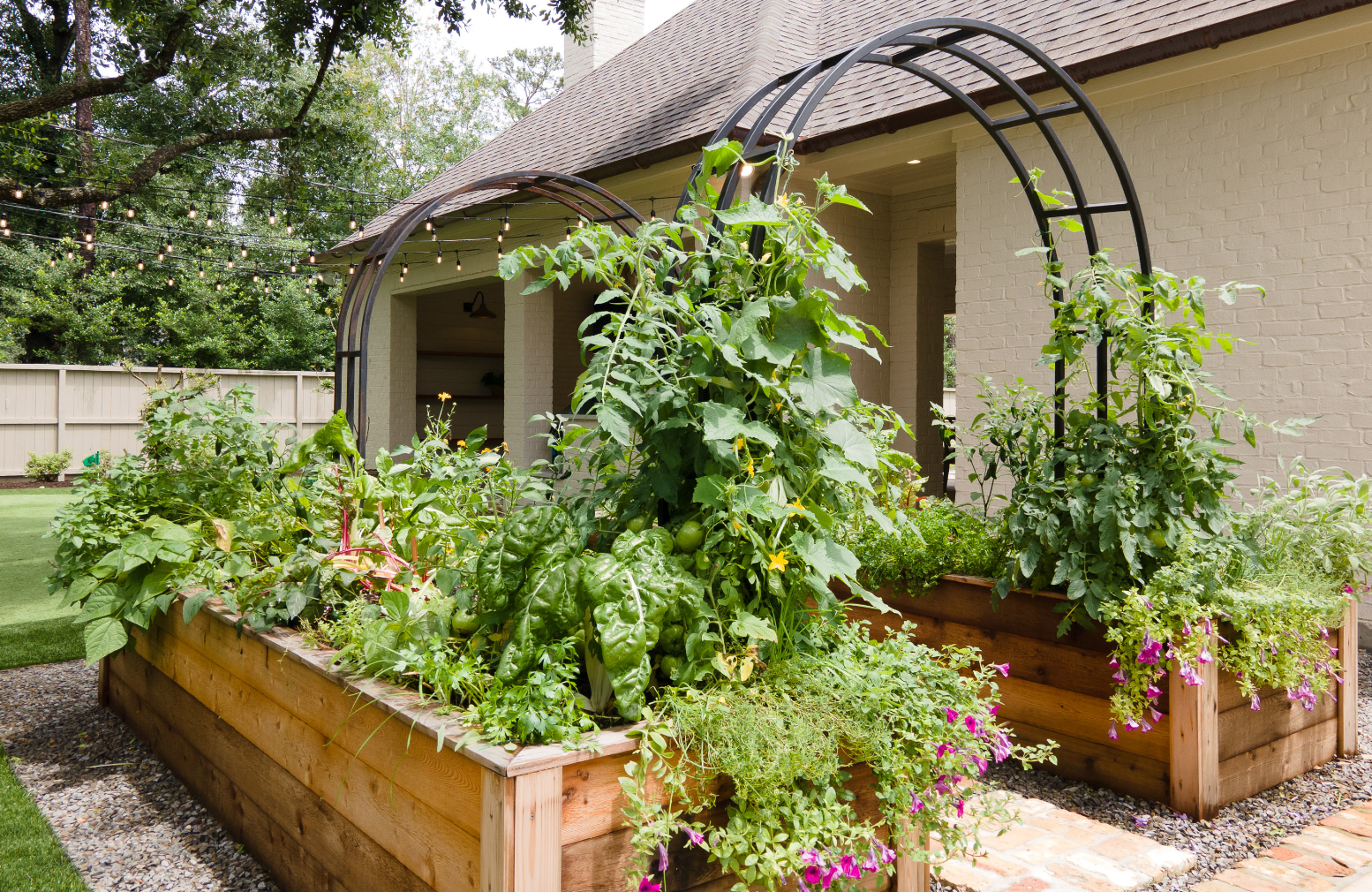
How to Start a Vegetable Garden
Starting a vegetable garden in Atlanta begins with three essential steps: location, raised beds, and the right plants. Choose a spot receiving at least 6 hours of direct sunlight daily—preferably on the south side of structures to maximize winter sun.