

Hydroponics 101: Growing Food Indoors Without a Yard
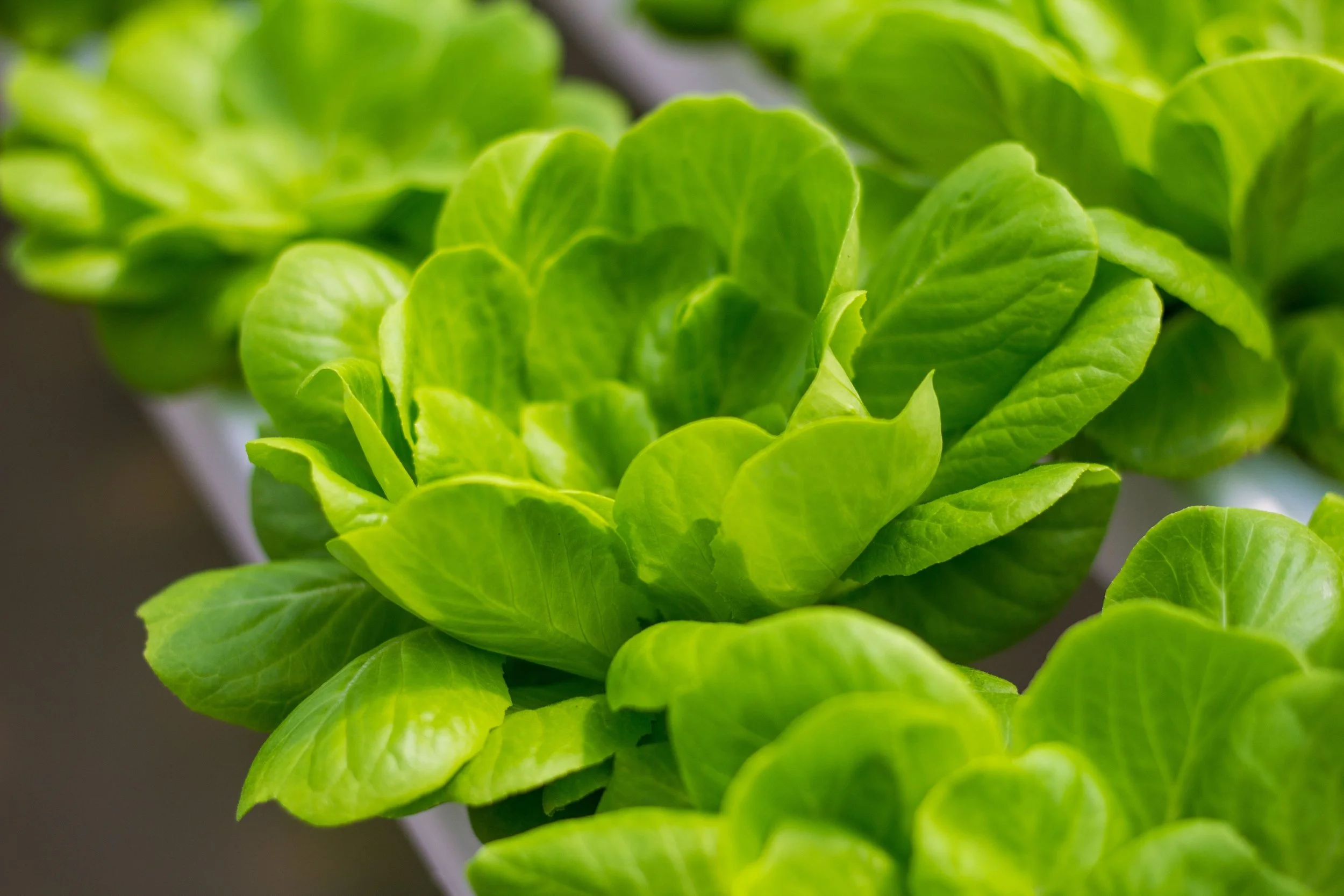
If you live in Atlanta and have ever felt that fresh, homegrown food wasn't an option because you rent an apartment, share a condo, or simply don't have a patch of earth to call your own, here's some good news: a yard was never a requirement. Across Atlanta, more and more people are discovering that they can grow crisp lettuce, fragrant basil, and even ripe tomatoes on a kitchen counter, a spare shelf, or a sunny windowsill—no soil and no backyard needed. The method behind this quiet revolution is hydroponics, and it's opening the door to indoor gardening for thousands of Atlanta residents who assumed they'd been locked out.
This is part of a larger urban gardening movement reshaping how Atlanta thinks about food. As neighborhoods from Grant Park to Summerhill grow denser and green space gets harder to find, growing without a yard isn't a novelty—it's a practical answer to a real problem. Let's walk through what hydroponics actually is, why it works so well indoors, and how anyone in Atlanta can get started.
What Is Hydroponics, Really?
At its core, hydroponics is the practice of growing plants in water rather than soil. Instead of pulling nutrients from the ground, plants draw everything they need from a carefully balanced, highly aerated water solution. That single shift unlocks a surprising number of advantages, especially for someone gardening indoors in a tight Atlanta space.
Because hydroponics removes soil from the equation, it removes a lot of the variables that frustrate new gardeners. There's no digging, no weeding, and no wrestling with Atlanta's notorious red clay. You gain precise control over what your plants eat and the acidity of their water, which is the real secret to fast, healthy growth. Plants grown this way often grow faster and yield more, simply because their roots are continuously bathed in oxygen-rich, nutrient-dense water and never have to search for food.
For Atlanta apartment dwellers, the space efficiency is the headline benefit. Hydroponics can produce a remarkable amount of food in a tiny footprint, which is exactly why it appeals to indoor growers who don't have acreage to spare. A single shelf can become a salad garden.
Why Indoor Gardening Suits Atlanta Living
Atlanta sits comfortably in USDA hardiness Zone 8a, with pockets of 8b in lower-lying neighborhoods to the south and east. That means a long, generous outdoor growing season for those with land—but it also means hot, humid summers and the occasional unpredictable freeze. (If you're curious about the specifics, here's a closer look at what garden zone Atlanta falls into and what gardening zone Georgia spans.)
Indoor hydroponics sidesteps the weather entirely. When summer heat scorches outdoor beds or a surprise cold snap threatens tender seedlings, your indoor garden hums along at a steady, comfortable temperature. You control the light, the water, and the climate. That makes hydroponics a wonderful complement to traditional Atlanta gardening—and for renters across the city, it may be the most realistic way to grow food at all. Atlanta's intown neighborhoods are full of beautiful homes with little to no usable yard, and indoor growing meets people exactly where they live.
Beginner-Friendly Systems: Kratky and Deep Water Culture
The wonderful thing about getting started is that you don't need an engineering degree or an expensive setup. Two of the simplest, most forgiving methods are perfect for first-time Atlanta growers.
Deep Water Culture (DWC) is where many hydroponic journeys begin, and for good reason—it has the fewest failure points and is the most forgiving of beginner mistakes. The concept is exactly what the name suggests: plants are suspended so their roots dangle directly into a reservoir of deep, nutrient-rich water. An air pump and air stone keep that water oxygenated, and the plants do the rest. A simple five-gallon bucket with a net-pot lid is a classic starter DWC system, and it can grow leafy greens beautifully.
The Kratky method takes simplicity one step further. Often called "passive hydroponics," the Kratky technique uses no pumps, no electricity, and no moving parts at all. You fill a container with nutrient solution, suspend the plant above it, and as the plant drinks the water down, an air gap naturally forms around the roots, giving them the oxygen they need. It's a "set it and forget it" approach that's ideal for herbs and lettuces—and it's so low-cost that it makes a perfect first experiment for anyone curious about indoor gardening without a big commitment.
A few other systems you may encounter as you advance:
Ebb and Flow (flood and drain): Plants sit in a tray that periodically floods with nutrient solution, then drains back to a reservoir. Versatile and great for a wider range of crops.
Drip systems: A low-flow emitter delivers solution directly to each plant, similar to drip irrigation but soilless.
Aeroponics: The most advanced of the bunch, misting bare roots with fine droplets. Stunning yields, but best left until you have some experience.
For your first urban gardening project, start with Kratky or Deep Water Culture. Master the basics, then branch out.
What You'll Need to Begin
Getting started indoors is refreshingly approachable. A basic kit includes a container or reservoir, net pots, a soilless growing medium such as rockwool or clay pebbles to anchor your plants, hydroponic nutrients, and—for the active systems—an inexpensive air pump and air stone. Two small tools, a pH meter and a PPM (parts-per-million) meter, are well worth the modest investment; they tell you whether your water chemistry is dialed in, which is the single biggest factor in hydroponic success.
Lighting matters too. A bright south-facing window can support herbs and greens, but a basic LED grow light gives you reliable results year-round, independent of Atlanta's cloudy stretches. Start small, keep your system clean, and let your confidence grow alongside your plants.
When you're ready to source supplies and stay inspired locally, our Atlanta gardening resources page is a great place to begin, alongside our broader collection of resources covering everything from composting to what makes a kitchen garden.
What to Grow First
Leafy greens are the gateway crop. Lettuce, spinach, kale, Swiss chard, and arugula thrive in DWC and Kratky setups and reward you quickly. Herbs are equally eager—basil, mint, cilantro, and parsley flourish indoors and keep your Atlanta kitchen stocked with fresh flavor year-round. Once you've found your rhythm, you can graduate to fruiting crops like cherry tomatoes and peppers, which need more light and a sturdier system but deliver that unbeatable homegrown taste.
If you'd like to think about how indoor growing connects to a fuller food garden, our guides on starting a vegetable garden and the Atlanta-specific steps to get going pair nicely with a hydroponic setup. And while indoor crops grow independent of the seasons, many Atlanta gardeners enjoy syncing their efforts with the outdoor calendar—our what to plant in Atlanta guides are a helpful companion.
Let Pixels to Petals Help You Grow
Starting something new is always easier with a guide who's walked the path before you. Pixels to Petals was born from exactly that belief. After three decades in digital marketing, I traded screen time for green time and built a practice dedicated to helping intown Atlanta residents grow real, living food—whether that's a backyard kitchen garden or a hydroponic shelf in a one-bedroom apartment. You can read more about that journey on our about page.
Hydroponics is a perfect fit for the people I love working with: Atlanta residents who want to spend less time scrolling and more time nurturing something alive, even without a single square foot of yard. Through hands-on garden consulting, ongoing garden coaching, and thoughtful garden design, I help you choose the right system, avoid the common pitfalls, and build a setup that actually fits your space and your life. No two Atlanta homes are alike, and your garden shouldn't be either.
If you're ready to grow food indoors—or you simply want to explore what's possible—I'd love to talk. Book a 15-minute Discovery Call with Pixels to Petals, and let's figure out the best first step for your home, your goals, and your corner of Atlanta. You can also grab our free Atlanta Kitchen Garden Starter Guide to begin right away. Your first harvest is closer than you think.