

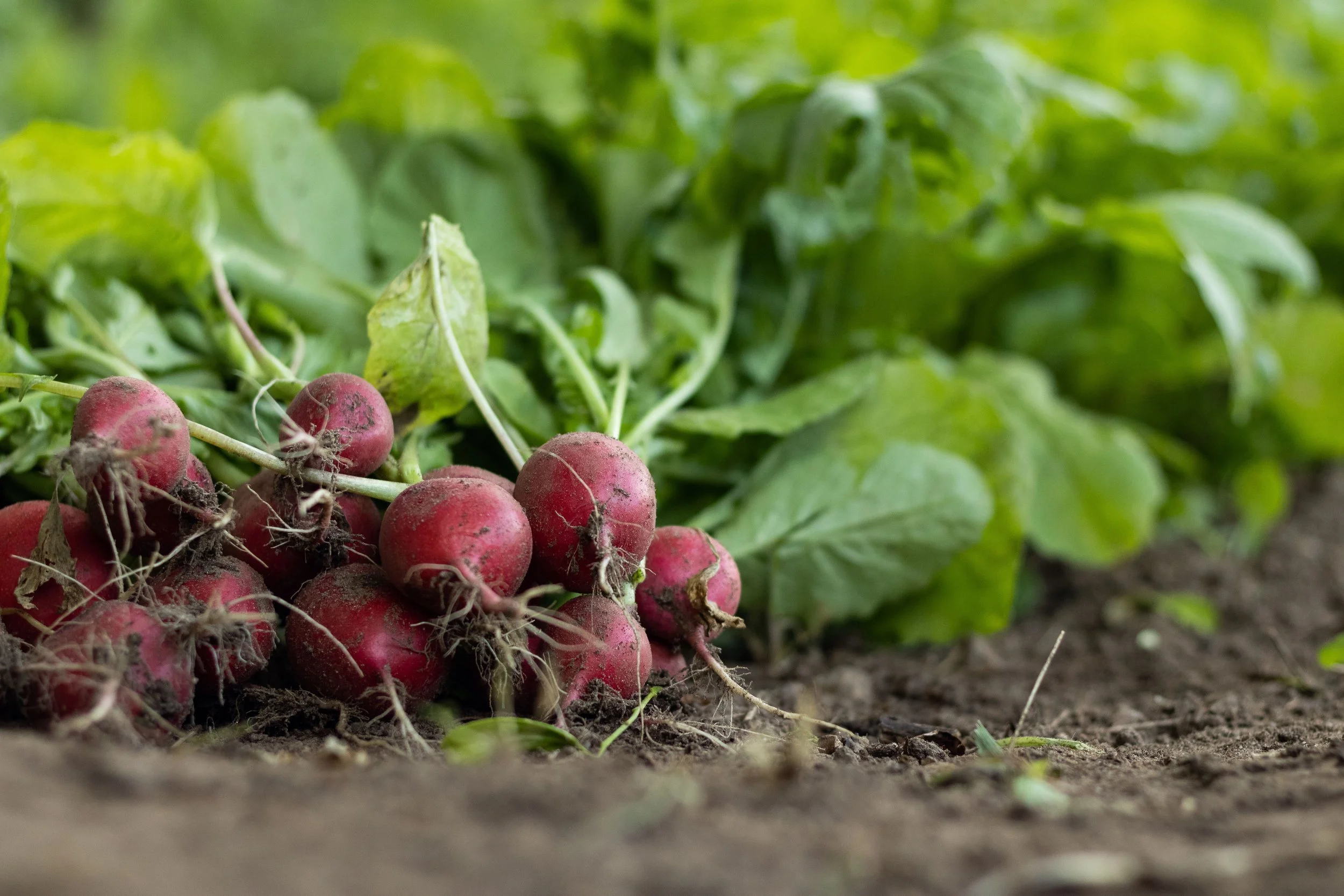
Service Areas
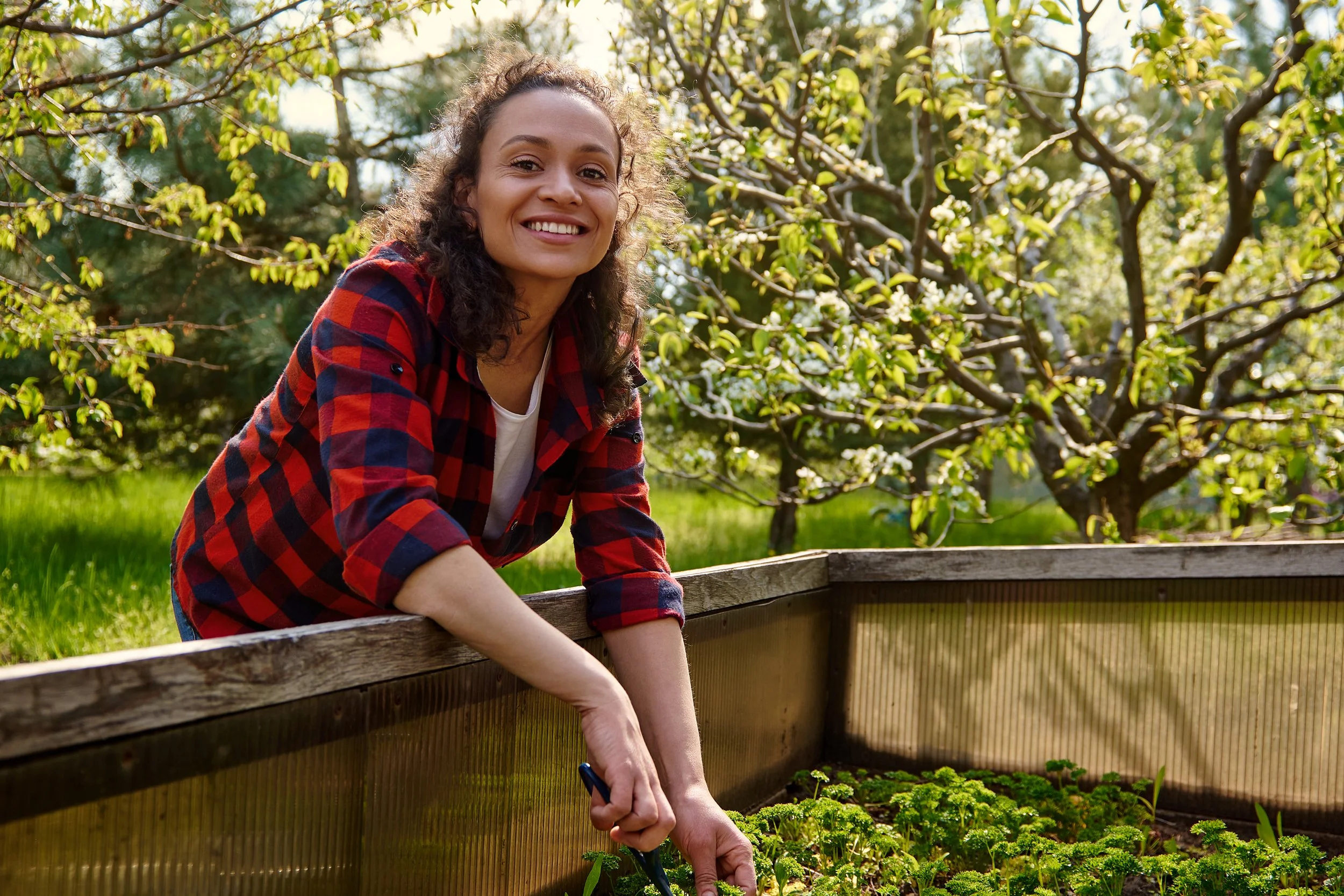
Our Roots
Thirty Years in Atlanta
We've called Atlanta home for thirty years. Long enough to watch neighborhoods empty out and fill back up. Long enough to watch the Beltline go from an abandoned rail bed to the thing half the city plans its weekend around. Long enough to watch a place that swore it was too hot and too clay-bound to grow anything become one of the best kitchen garden towns in the South.
Three decades teaches you a city—not the tourist version, the working version. Which streets flood in a hard August rain. Which blocks kept their canopy and which ones lost it. Where the old fields and rail yards used to be, and what that left behind in the soil under somebody's bungalow.
That's what comes with us when we walk your property. Not a plant list we use everywhere, but thirty years of paying attention to how this particular city grows things.
Neighborhood Knowledge
No Two Neighborhoods Grow Alike
Here's what all that time taught us: Atlanta isn't one garden. It's dozens, and they don't behave alike.
Grant Park sits inside a historic district, so your fence and your paths answer to a review your planting never will. Two miles north in Inman Park those same rules soften—unless your yard opens onto Springvale, and then the park is watching. Candler Park is free of all that, but buried under a canopy so deep that sunlight, not skill, decides what grows. Reynoldstown rests on old rail land, so we test the soil before we design anything. Virginia-Highland tilts toward a combined sewer, where a terraced bed quietly does two jobs at once. And Decatur? A different city altogether. Different arborist, different rules, different garden.
The same red clay runs beneath all of it. Every one of them grows something different on top.
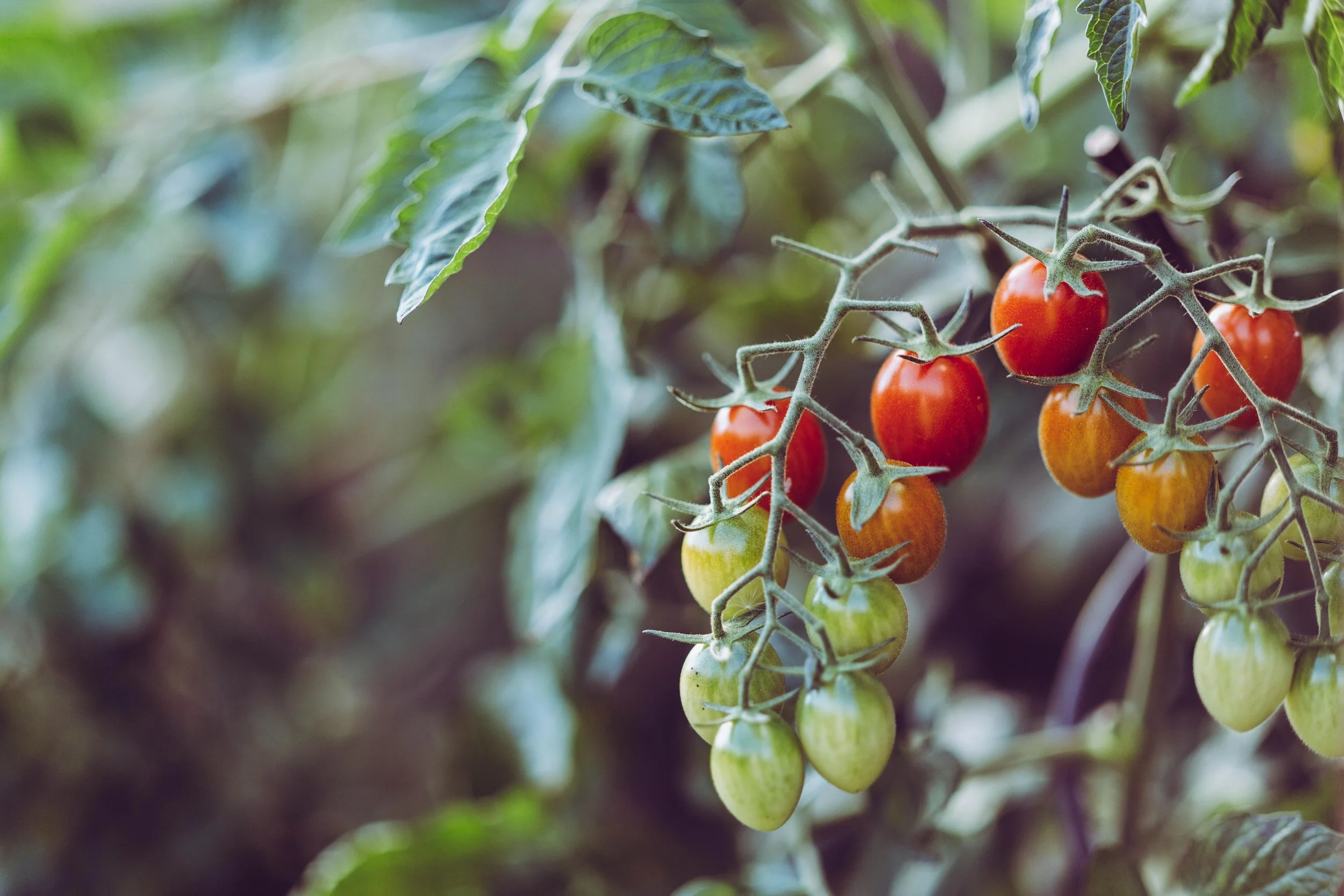
Our Approach
One Backyard at a Time
For all their differences, these yards share a foundation. Zone 8a. A growing season generous enough for three plantings if you time it right. And that notorious red clay everyone warns you about—which isn't the villain people think. Compaction is. A century of topsoil washed downhill is. Both are fixable, and neither one requires trucking in a new yard.
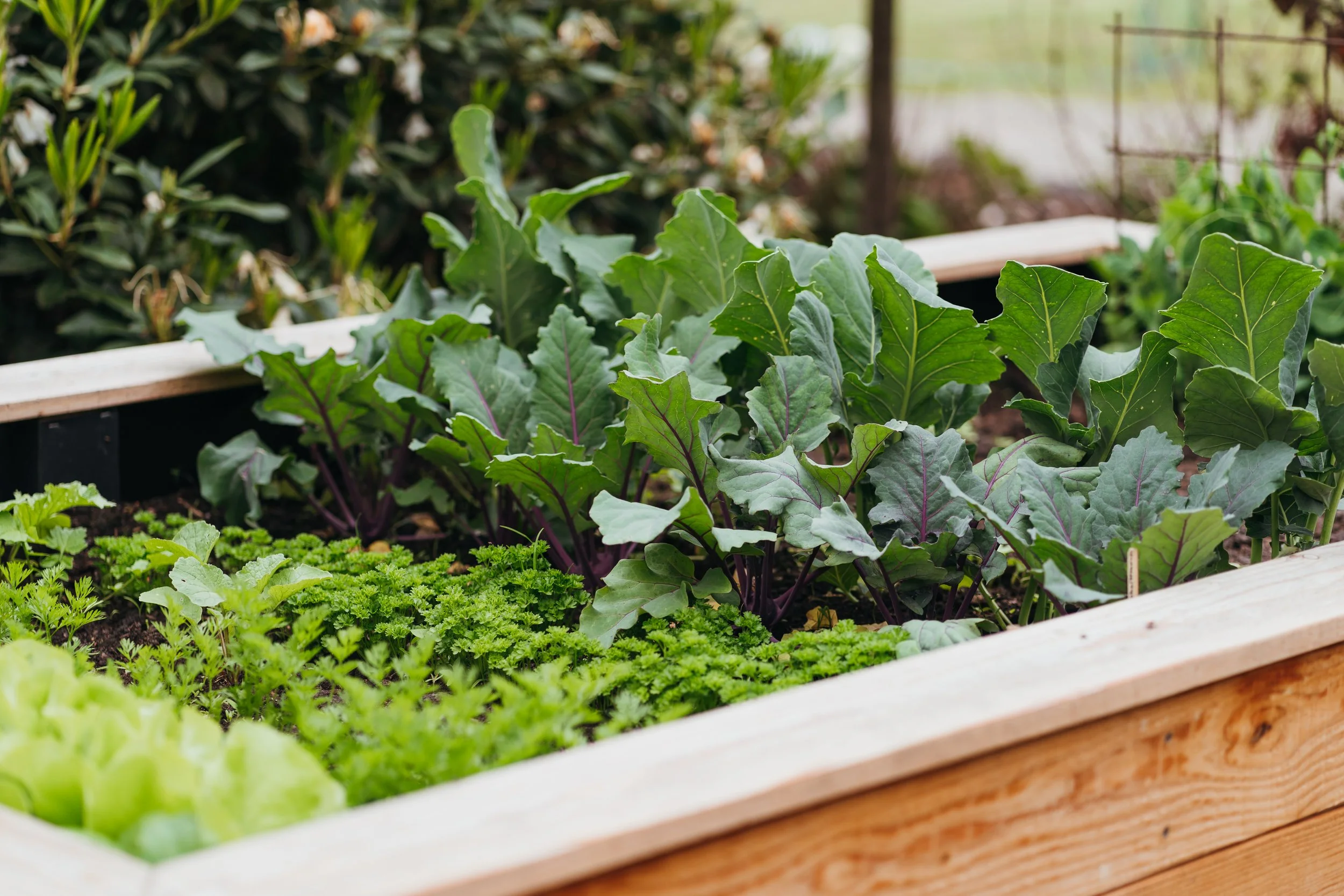
So we help you read what's already there—sun, soil, slope, water—and build something that works with it. Then the other thing starts happening. The herbs bring bees. The flowers bring butterflies. Birds come back. Your yard stops being a plot of land and becomes an ecosystem, and your whole block is healthier for it.
We work throughout Intown Atlanta and Decatur—Ormewood Park, Kirkwood, East Atlanta Village, Lake Claire, East Lake, Summerhill, Oakhurst, and well beyond. The neighborhoods below have pages of their own. If yours isn't there yet, that's no obstacle at all. Just ask.
Dig Deeper
Neighborhoods
Grant Park → Historic district review, lead-safe soil, and growing food beneath the park canopy.
Summerhill → Building gardens on former stadium parking lots, where most of the soil arrived by truck.
Ormewood Park → Working farmland into the 1890s, deeper lots, and none of Grant Park’s historic district rules.
Reynoldstown → Soil testing on old rail land, and small sunny yards that punch well above their size.
Inman Park → A neighborhood founded as a garden, and pollinator planting worthy of the butterfly.
Virginia-Highland → Terraced beds and rain gardens for a steep neighborhood on a combined sewer.
Candler Park → Honest sun budgets and shade-loving edibles for the deepest canopy Intown.
Decatur, GA → A separate city with its own tree ordinance, where hardscape shapes the entire design.
Book a 60-Minute Garden Consultation — $200
I'll walk your property with you and read what's already there — sun, soil, slope, water — while we talk through what you actually want to be eating. You'll leave with a hand-drawn sketch of where the beds go and why, and a written plan in your inbox within 48 hours: what to plant, when to plant it on Atlanta's calendar, and what to fix first. Whether you build it yourself or hire me to build it, you'll know exactly what you're building.