

The 6 Main Types of Hydroponic Systems Explained
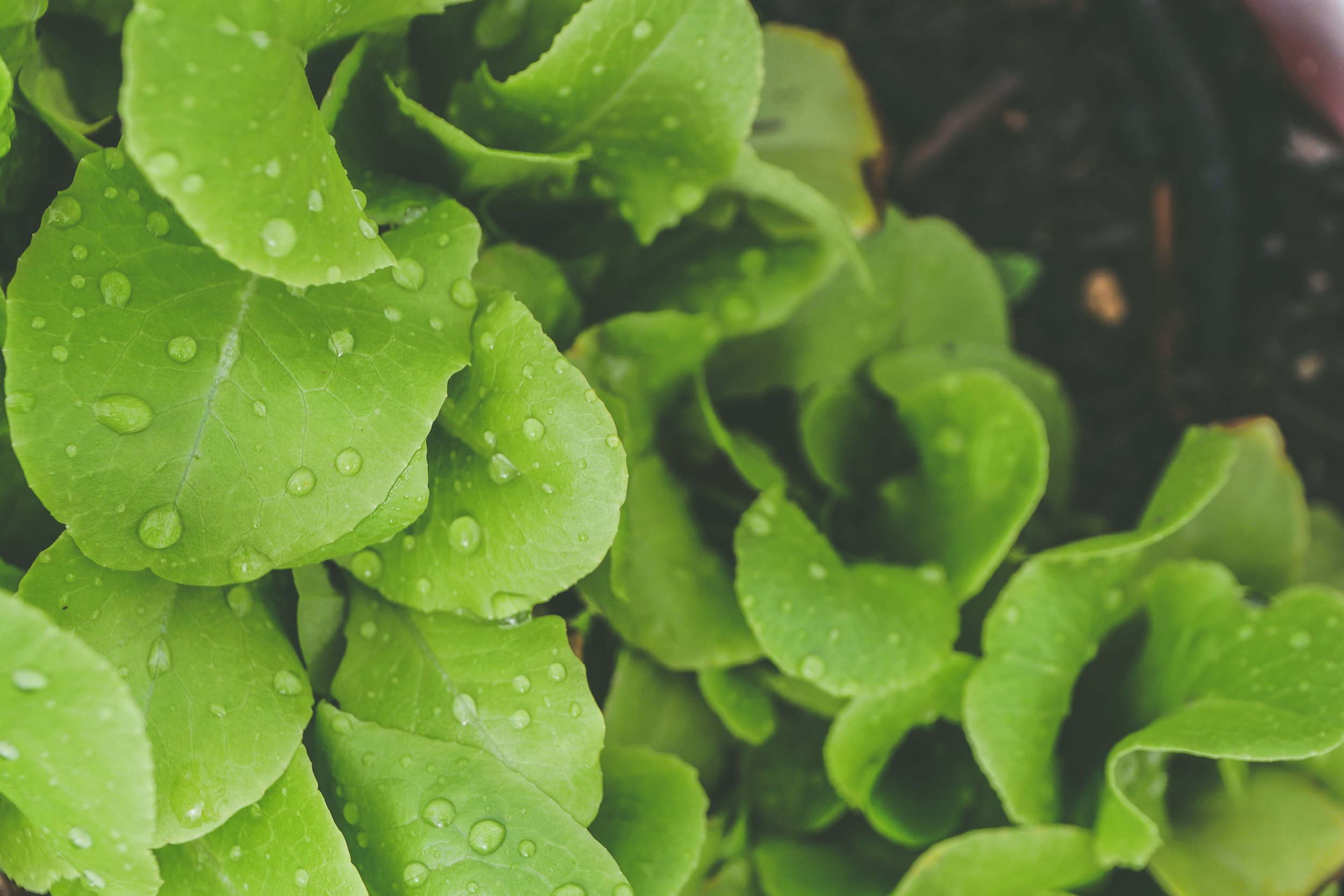
There's a quiet revolution happening in kitchens, basements, and sunrooms across Atlanta. People who once believed they needed a sprawling backyard and rich, workable soil to grow their own food are discovering that they can raise lush basil, crisp lettuce, and vine-ripened tomatoes without a single shovelful of dirt. The method is called hydroponics, and for anyone who has wrestled with Atlanta's notorious red clay, the idea of growing food in nothing but nutrient-rich water can feel like a small miracle.
Hydroponics is, at its core, beautifully simple: it's the practice of growing plants in an inert medium, or no medium at all, where growth is made possible by highly aerated, nutrient-charged water. By feeding roots directly, hydroponic systems give you precise control over plant nutrition and pH in a way soil rarely allows. The payoff can be faster growth, heavier yields, and the ability to produce food in remarkably small spaces. That last point matters enormously here. So much of Atlanta living happens in apartments, townhomes, and bungalows on compact Intown lots where a traditional in-ground garden simply isn't an option. Hydroponics turns a sunny windowsill or a corner of the garage into a productive harvest zone, which is exactly why urban gardening and indoor gardening enthusiasts across the city have embraced it so enthusiastically.
If you're an Atlanta resident curious about getting started but unsure where to turn, understanding the main system types is the perfect first step. Each one balances simplicity, cost, and yield differently, and the right choice depends on your space, your schedule, and your patience. As a garden consultant working with Intown households, I help people make exactly this kind of decision every week. Below, you'll find the six approaches worth knowing before you dive in.
1. Deep Water Culture (DWC): The Beginner's Best Friend
If you're new to hydroponics, Deep Water Culture is where I almost always suggest you begin. DWC is dead simple, has the fewest failure points, and is the most forgiving system you can build. The name says it all: plants grow with their roots suspended in deep, oxygenated water, usually at least 18 inches deep.
The most common home setups use five-gallon buckets fitted with net-pot lids, with an air pump feeding an air stone in each bucket to keep the water oxygenated. Larger operations use raft beds, where a buoyant foam raft floats on a pond-lined reservoir, its evenly spaced holes letting roots dangle down into the nutrient solution. A modest two-by-four-foot foam raft can support a surprising amount of weight, making it ideal for leafy greens.
What makes DWC so attractive for Atlanta beginners is its tolerance for mistakes. Because the roots stay immersed in water, even a temporary air-pump failure won't immediately doom your plants. That margin of safety is a gift when you're still learning. The trade-off is that DWC can become labor-intensive as it scales, since each bucket needs its own aeration. For a first indoor gardening project on a kitchen counter, though, it's hard to beat.
2. The Kratky Method: Hydroponics With No Pumps at All
If DWC sounds appealing but you'd rather skip the equipment entirely, the Kratky method is your answer. Think of Kratky as the passive, no-electricity cousin of Deep Water Culture. There are no pumps, no air stones, and no timers to fail. You simply suspend a plant in a container of nutrient solution, leave an air gap below the lid, and let the plant do the rest.
As the plant drinks and the water level drops, the air gap grows, exposing a portion of the root system to oxygen while the lower roots continue to feed. It's an elegant, almost magical bit of plant biology, and it's perfect for anyone intimidated by gear. A single mason jar on a windowsill can grow a thriving head of lettuce or a generous bunch of herbs with essentially zero maintenance beyond an occasional top-off.
For busy Atlanta households, renters who can't run extra electrical setups, or anyone who wants to dip a toe into soilless growing without committing to pumps and reservoirs, Kratky is an ideal entry point. It's also a wonderful way to teach kids how plants grow. Just be aware that because it's passive, Kratky works best for fast-maturing crops rather than large, long-season plants like full-size tomatoes.
3. Hydroponic Drip Systems: Familiar and Flexible
Anyone who has run drip irrigation in a traditional Atlanta vegetable bed will find drip hydroponics instantly familiar. These low-flow, low-pressure systems deliver nutrient solution to each plant through small emitters or drip stakes. The only real difference from conventional container gardening is that you're growing in a soilless medium rather than dirt.
That shift opens up useful possibilities. If you choose a medium that holds water well, you can cut your irrigation cycles down to as little as once a day. Less frequent watering means your reservoir stays cleaner longer, since the medium isn't constantly shedding particles into the solution. Many of these media can also be sterilized and reused season after season.
Drip systems scale gracefully, which makes them a strong choice for Atlanta gardeners who start small but dream big. You can begin with a handful of plants and expand the same basic design across a sunroom or garage without reinventing your setup. Their resemblance to ordinary garden irrigation also makes them less intimidating for people transitioning from raised beds, a journey I cover in depth in my guide to starting a vegetable garden in Atlanta.
4. Dutch Buckets: Built for Bigger Plants
When you're ready to grow heavy, sprawling crops like tomatoes, peppers, or cucumbers, Dutch buckets earn their place. Originally developed in Europe, this system uses individual buckets, each with a specially designed drain that empties water completely from the bottom. That drainage detail is the whole point: by preventing standing water, Dutch buckets avoid the sludge and contaminant buildup that can plague other reservoirs.
The result is a system that runs consistently and often needs less frequent cleaning. Dutch buckets can be irrigated on a timer or fed continuously, and they connect easily in series, so you can run a long row of vining plants off a single reservoir. Gardeners who want serious productivity from a compact footprint, perhaps a row of buckets along a sunny Atlanta patio or greenhouse wall, find them tremendously rewarding.
Dutch buckets sit at a sweet spot between simplicity and capacity. They're more involved than a Kratky jar, but they're built to handle the kind of large, trellised plants that make a summer harvest feel truly abundant.
5. Ebb and Flow (Flood and Drain): The Versatile Workhorse
Among the most common setups you'll encounter, ebb and flow systems, also called flood and drain tables, strike an excellent balance of versatility and ease. Picture a shallow table, usually four to eight inches deep, sitting above a reservoir. On a timer, the table floods with nutrient solution, soaking the plants growing in pots of soilless medium, then drains back down before the medium gets too dry.
This rhythmic feast-and-famine cycle works wonderfully for a wide range of crops. By adjusting the medium, container size, and flooding frequency, you can tailor the same basic table to almost anything you want to grow. Best of all, a single ebb and flow table runs on just one timer, one water pump, and one air pump, keeping the equipment list manageable.
For Atlanta growers who want flexibility, the ability to swap crops seasonally, experiment with different plants, or run a mixed table of greens and herbs, ebb and flow is a genuine workhorse. It rewards a little planning with a lot of options, which is why so many experienced indoor gardening hobbyists keep one running year-round.
6. Aeroponics: Maximum Yield, Maximum Care
At the far end of the spectrum sits aeroponics, the most advanced and most demanding system of the six. Aeroponics grows plants with no medium whatsoever. Roots hang in open air, supported only by a soft collar, while fine misters spray them with nutrient solution at short intervals. Those near-mist droplets deliver an extraordinary amount of oxygen, which can drive truly remarkable growth in a very small space.
The catch is sensitivity. Aeroponic systems are the least forgiving of all. If a pump fails, plants can begin suffering within an hour rather than the comfortable cushion DWC provides. This is a system to graduate into, not to start with, and I generally steer Atlanta beginners toward gentler options until they've built confidence and a reliable maintenance routine.
That said, for the dedicated grower chasing the highest possible yields from limited square footage, aeroponics is dazzling. When everything is dialed in, the results can outperform every other method on this list.
Choosing the Right System for Your Atlanta Home
So which system is best? The honest answer I give every client is this: the best hydroponic system is the one you'll actually maintain. Every one of these setups depends on consistent cleaning and attention. A beautiful, ambitious system you neglect will always underperform a humble one you tend faithfully. When you're choosing, be honest about your time, your space, and your tolerance for fuss.
For most first-timers across Atlanta, I suggest beginning with Kratky or Deep Water Culture, learning the rhythms of pH and nutrients, and expanding from there. Atlanta's climate and housing make soilless growing especially practical here, letting you sidestep our heavy clay soil entirely and grow fresh food in zones a backyard plot can't reach. If you'd like to understand the broader growing conditions in our region, my overviews of what garden zone Atlanta sits in and Georgia's gardening zones are useful companions, as is my collection of Atlanta gardening resources.
Hydroponics also pairs beautifully with the rest of a thriving home garden. Many Atlanta growers run a hydroponic herb wall indoors while cultivating pollinator-friendly plants outside, inviting bees and butterflies back into the yard. If that ecosystem-building approach appeals to you, you might enjoy exploring which herbs attract pollinators in Atlanta once your indoor system is humming along. For the complete picture of organized, productive growing, my Atlanta Kitchen Garden Starter Guide walks you through the essentials from the ground up.
Bringing It Home With Pixels to Petals
After thirty years staring at screens in digital marketing, I traded that life for one with my hands in living, growing things, and I've never looked back. Pixels to Petals exists to help fellow Atlanta residents make a version of that same trade: less time scrolling, more time creating something real and nourishing. Whether that's a windowsill of Kratky lettuce, an ebb and flow table in the garage, or a full kitchen garden in the backyard, the goal is the same, to reconnect you with nature and give you the deeply grounding satisfaction that a screen never will.
Hydroponics can feel technical at first, but you don't have to figure it out alone. Through garden coaching, garden design, and hands-on consulting, I help Atlanta households across Grant Park, Ormewood Park, Summerhill, and beyond choose the right system, set it up properly, and keep it producing. You can learn more about my journey and browse my full library of resources whenever you're ready to dig in.
If you're an Atlanta resident who wants to start growing but isn't sure where to begin, let's talk. Book a 60-minute Garden Consultation with Pixels to Petals, and we'll map out a simple, achievable path to fresh, homegrown food, no red clay required.