

The Kratky Method: Passive Hydroponics With Zero Pumps
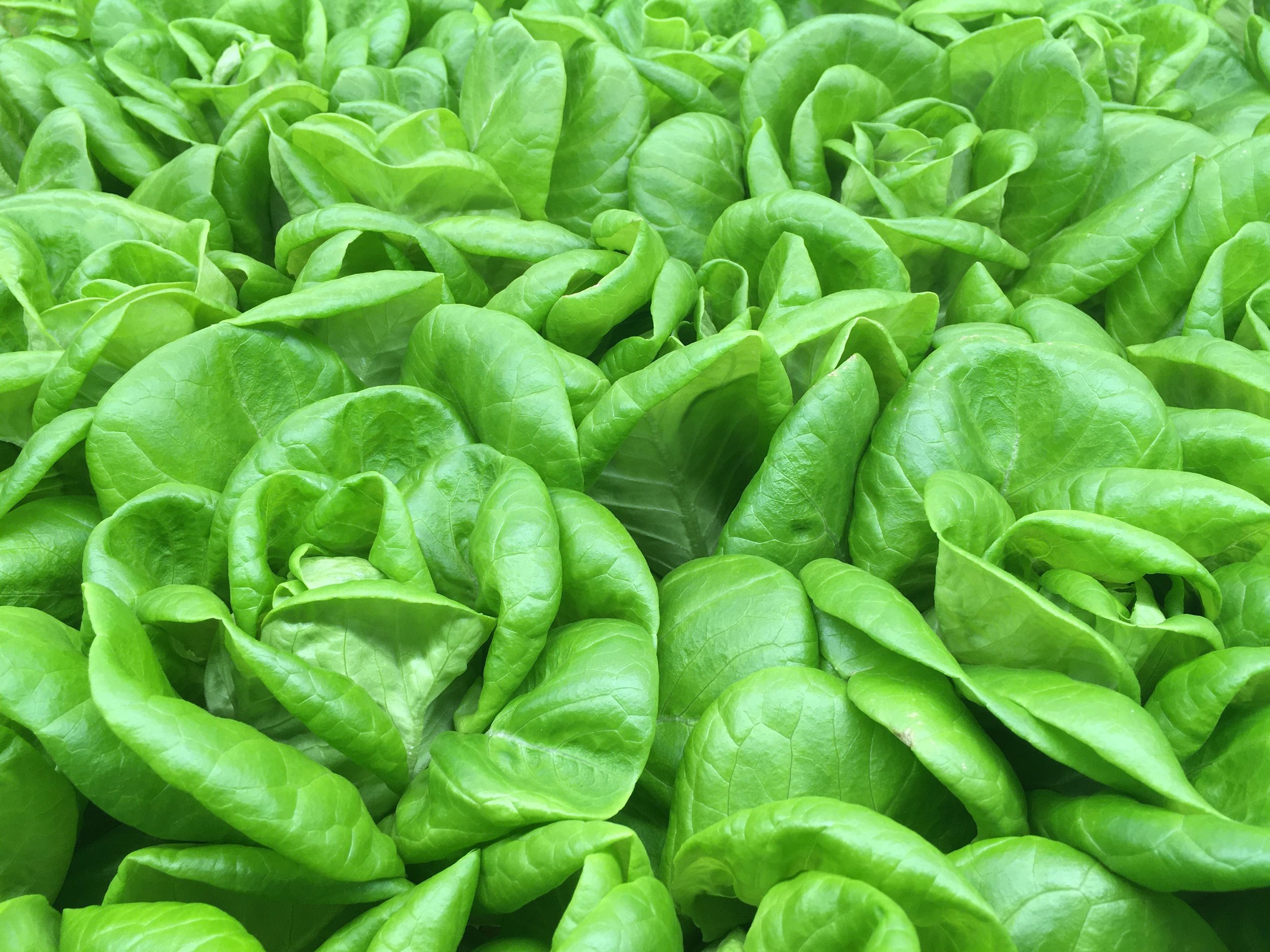
Imagine growing a head of lettuce, a fistful of basil, or a row of leafy greens on your kitchen counter using nothing but a jar of water, a few nutrients, and a sunny window. No electricity. No pumps humming in the background. No timers to program. For Atlanta residents who are curious about hydroponics but intimidated by the gear and complexity it seems to demand, there is a refreshingly simple entry point: the Kratky Method. It strips passive hydroponics down to its barest, most beginner-friendly form, and it happens to be one of the best ways to dip a toe into indoor gardening without a single moving part.
If you have ever wanted to grow food but felt that your schedule, your apartment, or Atlanta's notorious red clay soil stood in the way, this is your invitation to start small, stay curious, and grow something real.
What Exactly Is the Kratky Method?
The Kratky Method is a form of passive hydroponics developed by Dr. Bernard Kratky, a researcher at the University of Hawaii. At its heart, hydroponics simply means growing plants in water enriched with nutrients rather than in soil. Most hydroponic systems rely on pumps and air stones to keep oxygen circulating through the water, because roots need oxygen as much as they need moisture and food.
The Kratky Method's clever trick is that it eliminates the pumps entirely. Here is how it works: you suspend a young plant in a net cup at the top of a reservoir, with its roots dangling into a nutrient-rich water solution. As the plant drinks and the water level drops, an air gap forms between the falling waterline and the roots. The lower roots stay submerged to absorb water and nutrients, while the upper roots are exposed to that growing pocket of air, breathing freely. The plant essentially builds its own oxygen supply as it grows. You fill the container once at the start, and in many cases you never touch it again until harvest.
This makes Kratky a close cousin of Deep Water Culture, or DWC, which is one of the most forgiving hydroponic systems for beginners. The key difference is that traditional Deep Water Culture keeps the roots fully submerged and uses an air pump to oxygenate the water. Kratky takes the same deep-water concept and removes the pump, letting the receding water line do the oxygenating work. If DWC is the training-wheels version of hydroponics, Kratky is the version with no chain and no pedals at all.
Why Atlanta Gardeners Love Going Pump-Free
There is a reason the Kratky Method has become a favorite among urban gardening enthusiasts, and Atlanta is an especially good place to put it to use. The metro area is full of apartments, condos, townhomes, and bungalows where outdoor garden space is limited, shaded, or nonexistent. Indoor gardening solves that problem, and Kratky makes indoor growing about as simple as it can get.
A few reasons this approach fits Atlanta life so well:
No soil required. Anyone who has tried to dig into Atlanta's dense red clay knows it can be a battle. With passive hydroponics, you skip the soil drama entirely.
Tiny footprint. A Mason jar, a repurposed plastic tub, or a five-gallon bucket on a balcony in Grant Park or Summerhill is enough to grow fresh greens.
Low cost to start. You do not need expensive equipment. The barrier to entry is genuinely just a container, a net cup, some growing medium, and nutrients.
Year-round growing. Because this is indoor gardening, you are not at the mercy of Georgia's summer heat or the occasional winter cold snap. A bright window or a small grow light keeps things going through every season.
Almost no maintenance. With no pumps to fail and no daily watering, Kratky is ideal for busy people and frequent travelers.
For Atlanta residents who want the satisfaction of growing their own food but worry they will kill anything they touch, the simplicity here is the whole point. Fewer points of failure means fewer ways to get discouraged.
What You Can Grow
The Kratky Method shines with fast-growing, leafy crops that finish their life cycle before the reservoir runs dry. Lettuce is the classic choice and practically grows itself this way. Other excellent candidates include:
Leafy greens like kale, Swiss chard, bok choy, and spinach
Culinary herbs such as basil, cilantro, mint, and parsley
Asian greens and loose-leaf salad mixes
Larger fruiting plants like tomatoes, cucumbers, and peppers can be grown with Kratky, but they are thirstier and may require topping off the reservoir, which moves you out of the truly "set it and forget it" zone. For your first attempt in Atlanta, start with lettuce or basil. The early win will keep you motivated.
A Simple Kratky Setup, Step by Step
You can build your first system in an afternoon with materials from any Atlanta garden supply or hardware store. Here is the basic blueprint:
Choose a container. An opaque jar, jug, or tub works best. Light encourages algae, so block it out by using a dark container or wrapping a clear one. Aim for something that holds at least a half-gallon for leafy greens.
Add a net cup. Cut a hole in the lid sized to hold a plastic net cup that nestles into the opening.
Pick a growing medium. Rockwool cubes, clay pebbles, or coco coir all work well to anchor your seedling and wick moisture upward.
Mix your nutrient solution. Combine water with a complete hydroponic nutrient formula, following the label's measurements. A pH and PPM meter helps dial things in, though beginners can start more casually.
Set the water level. Fill so the bottom of the net cup just touches the solution. This contact starts the seedling drinking; as the level drops, the life-giving air gap forms.
Place it in the light. A sunny south-facing window or an affordable LED grow light gives your greens the energy they need.
Then you mostly wait. Watch the roots stretch downward, the leaves fill out, and the water level fall. When your lettuce or basil looks ready, harvest and enjoy.
Fitting Kratky Into Atlanta's Growing Calendar
One of the joys of indoor hydroponics is freedom from the outdoor calendar, but understanding your local climate still helps you plan. Atlanta sits in a warm growing region, and knowing your conditions makes you a more confident grower across every method you try. If you are curious about how the outdoor seasons map to your zone, our guide on what garden zone Atlanta falls into is a helpful primer, as is the broader overview of Georgia's gardening zones.
Because Kratky is indoor and pump-free, you can run it through Atlanta's brutal July humidity and its chilly January nights alike. Many Atlanta gardeners use passive hydroponics to keep fresh herbs going indoors during the months when their outdoor beds are resting, then transition skills and confidence outward when the weather cooperates. If you eventually want to expand into soil-based growing, resources like our 5 steps to starting a vegetable garden in Atlanta and our look at which medicinal herbs grow well in Atlanta for first-time growers make a natural next step.
And if you want to support pollinators while you are at it, herbs you start hydroponically can later move outdoors, where many of them attract bees and beneficial insects. Our guide to herbs that attract pollinators in Atlanta shows how your small indoor experiment can ripple outward into a healthier Atlanta backyard.
A Few Honest Cautions
No method is perfect. With Kratky, the most common beginner mistakes are easy to sidestep once you know them. Algae is the usual culprit, and it thrives when light reaches the nutrient solution, so keep that reservoir dark. Root rot can appear if the air gap never forms properly, which usually means you filled the container too high and left no breathing room. And because the system is passive, fruiting crops that drink heavily may run the reservoir dry before they finish, so reserve those for after you have a leafy-green success under your belt.
The beauty of starting with hydroponics this way is that the stakes are low. A failed jar of lettuce costs almost nothing and teaches you something for the next round. That low-risk, high-reward rhythm is exactly what makes new gardeners fall in love with growing.
Where Pixels to Petals Comes In
Here is the truth behind this whole pursuit: spending less time staring at screens and more time nurturing something alive is one of the most grounding shifts a person can make. After thirty years in digital marketing, watching seeds become harvests in gardens from Boca Raton to Fort Lauderdale to Atlanta, I learned that the quiet hours with your hands near growing things are the antidote to the noise of modern life. Pixels to Petals exists to help Intown Atlanta residents make that same trade, whether through a windowsill of Kratky lettuce or a full backyard kitchen garden.
You do not have to figure it all out alone. Through garden consulting, garden coaching, and thoughtful garden design, Pixels to Petals guides Atlanta gardeners through every step, from a first jar of pump-free greens to a thriving space that feeds you year-round, invites pollinators back into your yard, and gives you the deeply satisfying connection to nature that no app ever will. If you are ready to begin, our free Atlanta Kitchen Garden Starter Guide is a generous place to start, and our full library of resources is always open to you.
Whether you are in Grant Park, Ormewood Park, Summerhill, or anywhere nearby in Atlanta, the path from screen time to green time can begin with something as small as a jar of water and a sprout of basil. When you are ready for a hand, Book a 60-minute Garden Consultation with Pixels to Petals. Let's grow something real, one Atlanta garden at a time.