

The Balcony Apothecary: Medicinal Herbs You Can Grow in Pots (Yes, Even on the 20th Floor)
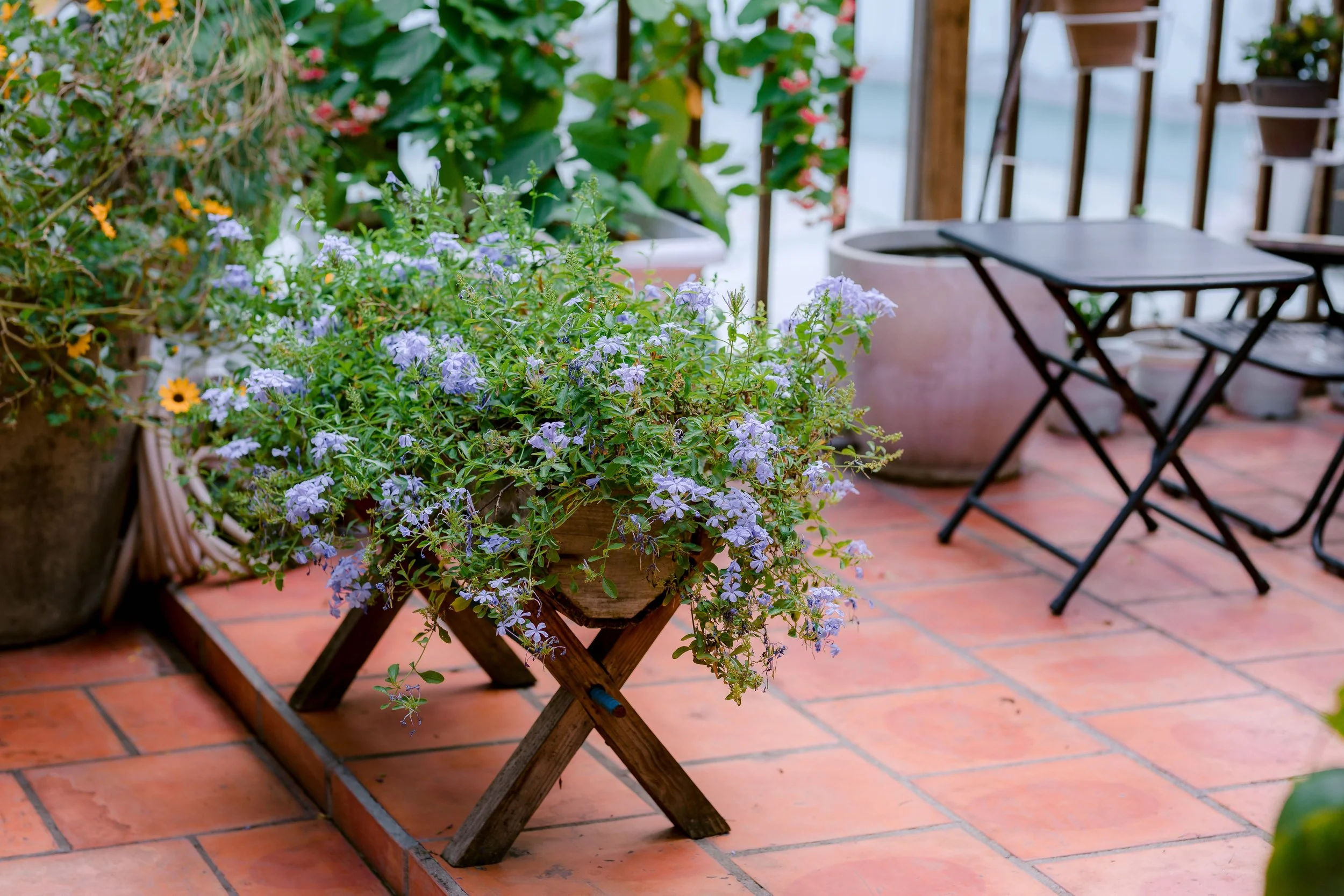
Picture the end of a long Atlanta workday. You step onto your balcony, twenty stories above the traffic on Peachtree, and instead of reaching for your phone, you reach for a pair of snips. A few chamomile blossoms, a sprig of lemon balm, three leaves of spearmint. Ten minutes later you're holding a cup of tea that didn't come from a box — it came from four square feet of your own home, grown by your own hands, harvested minutes ago at peak fragrance.
That's a balcony apothecary. And if the word "apothecary" conjures images of a rambling cottage garden somewhere in the countryside, here's the surprise: medicinal and wellness herbs are among the best-suited plants for high-rise container growing. Not a compromise version of the real thing. In several cases — and we'll get to the specifics — the pot actually outperforms the ground.
For a growing number of Intown Atlanta residents, wellness is already a daily practice: the meditation app, the herbal tea drawer, the farmers market run. A balcony apothecary is the natural next step — the point where wellness stops being something you buy and becomes something you grow.
Why Herbs Love Pots (and Sometimes Prefer Them)
Let's start with the horticultural case, because it's stronger than most people expect.
The University of Georgia Cooperative Extension's Herbs in Southern Gardens bulletin — the definitive research-based guide to herb growing in our region — confirms that herbs grow well in urns, hanging baskets, strawberry pots, and other containers as long as their light, moisture, and fertility needs are met. But it goes further: UGA notes that certain herbs, including chamomile, chervil, and cilantro, are particularly susceptible to the humid Southern spring and summer and may actually grow best in containers, where conditions can be more carefully controlled. Read that again — for one of the most beloved tea herbs in the world, your balcony is arguably a better home than a Georgia garden bed.
Then there's mint. UGA calls mint the most invasive of all the herbs, one that must be aggressively checked in any garden bed. Twenty stories up, in its own glazed pot? Perfectly behaved. The plant that terrorizes ground-level gardeners becomes a model citizen on your balcony.
Add the general advantages of container growing — you choose the soil, you skip Atlanta's red clay entirely, you sidestep most soil-borne diseases, and you garden at railing height instead of on your knees — and the case makes itself. As UGA's Gardening in Containers guide puts it, containers have often provided the only way to garden for apartment and condominium dwellers, and the results can be every bit as rewarding as an in-ground plot.
Setting Up the Apothecary: Light, Wind, and Pots That Work
Three practical decisions determine whether your herbs thrive or merely survive.
Light first. Most Mediterranean medicinals — lavender, rosemary, thyme — want six or more hours of direct sun and will reward a bright south- or west-facing exposure. Others are more forgiving: mint, lemon balm, and gotu-kola-style shade lovers will produce well with four hours or dappled light. Spend a few days mapping when the sun actually reaches your balcony before you assign real estate. There's a right herb for every exposure; there's no exposure that's right for every herb.
Respect the wind. On the twentieth floor, wind is your defining variable. It dries pots fast, batters delicate stems, and can send lightweight containers airborne. Choose heavy ceramic or thick resin pots, cluster them so they shelter each other, keep taller plants toward the wall, and check your building's rules on railing planters before installing anything over the edge.
Get the containers and soil right. Per UGA's herb guidance, container herbs need a lightweight, well-drained potting mix — never garden soil — and pots with real drainage holes, with saucers emptied regularly so roots don't sit in water. Because container herbs can't reach into surrounding soil, they dry out quickly and may need daily water in summer; a uniform monthly feeding keeps them lush. If your travel schedule is unpredictable, self-watering pots buy you forgiveness. Size-wise, most of the herbs below are happy in one- to three-gallon pots, which means a genuinely useful apothecary fits on even a modest balcony.
The Starter Apothecary: Seven Herbs That Earn Their Pot
You don't need thirty plants. A thoughtful seven will keep your tea drawer, your kitchen, and your evening rituals supplied all year.
Chamomile is the gateway herb — the one whose daisy-like blossoms have been steeped into calming bedtime tea for centuries. As noted above, UGA specifically flags it as a candidate for container growing in the humid South, where the controlled conditions of a pot suit it better than a soggy garden bed. Harvest the flowers just as they open fully, use them fresh or dry them for winter.
Lemon balm is chamomile's cheerful cousin — a lemon-scented member of the mint family traditionally steeped for relaxation and easy digestion after dinner. Like all mints it spreads enthusiastically, which makes a container its ideal home. Give it morning sun, keep it watered, and cut it back hard whenever it gets shaggy; it comes back fuller every time.
Peppermint and spearmint are the workhorses. Tea for a heavy stomach, muddled leaves for sparkling water, a sprig rubbed between your fingers on a stressful afternoon. Grow each mint in its own pot — they're vigorous enough to crowd out roommates — and place them where you'll brush past them, because the scent alone is half the medicine.
Lavender brings the apothecary's signature fragrance. Traditionally tucked into sachets, steeped sparingly into tea, and simply breathed for its association with calm, lavender wants your sunniest, driest, breeziest spot — which describes most high balconies perfectly. It hates wet feet, so let the pot dry between waterings; UGA notes it actually prefers slightly alkaline conditions, so go easy on rich, acidic mixes.
Calendula — pot marigold — is the beauty of the group, with edible golden petals long used in soothing skin salves and infused oils. It thrives in Atlanta's cooler months, which means your apothecary keeps blooming when everything else slows down, and its cheerful flowers pull double duty attracting pollinators up to your floor.
Holy basil (Tulsi) is the modern wellness favorite — an aromatic basil relative revered in Ayurvedic tradition and beloved today for fragrant, faintly spicy tea. It loves Georgia heat, thrives in a two-gallon pot in full sun, and the more you pinch it, the bushier it grows.
Rosemary and thyme round out the collection as the crossover players — culinary stars with long folk-wellness histories, evergreen in our Zone 8a winters, and nearly indestructible in a sunny pot. Rosemary in particular becomes a small sculptural shrub over time: the anchor plant your apothecary composes itself around.
One honest note as you begin: growing these herbs connects you to centuries of tradition, and there's real joy in that. But herbs are potent plants — if you're pregnant, nursing, managing a health condition, or taking medications, have a conversation with your healthcare provider about what belongs in your teacup. We're garden experts, not doctors, and the best apothecaries are built on both kinds of knowledge.
The Rhythm of the Apothecary Year
Here's what makes this rewarding in a way a spice rack never will be: the apothecary lives on a calendar. Spring means planting tulsi and calendula and watching the perennials wake. Summer means daily watering, constant harvest, and drying bundles of mint and lemon balm for the year ahead — UGA's home gardening guidance recommends harvesting herbs and drying them in a cool, dry place come fall. Winter means rosemary and thyme still green on the balcony while you drink June's chamomile in December. In Atlanta's mild climate, the cycle never fully stops — and neither does the quiet satisfaction of it.
If you want to go deeper on regional growing conditions, the free publication library at UGA Cooperative Extension is the gold standard, and we maintain a curated guide to trusted local nurseries and seed sources — including several with excellent medicinal herb selections — on ourAtlanta Gardening Resources page. For more articles like this one, browse the Pixels to Petals resource library.
About Pixels to Petals
Medicinal herb gardens aren't a side interest for us — they're one of our core specialties. Pixels to Petals helps Intown Atlanta residents trade screen time for green time, designing kitchen gardens and medicinal herb gardens using organic methods tailored to Zone 8a. Our founder spent 30 years in digital marketing before trading the analytics dashboard for the garden — that story is here — and the company exists for exactly the person reading this article: someone whose life is full of screens and who suspects that a living, fragrant, useful garden might be the antidote.
We serve Grant Park, Inman Park, Ormewood Park, Candler Park, Summerhill, and surrounding neighborhoods — balconies and terraces very much included. A one-hour Garden Consulting session gets you a personalized apothecary plan for your exact light, wind, and space, with zero gardening experience required. Garden Design delivers a complete blueprint — plant list, container specifications, and a seasonal plan built around how you actually want to use your herbs. AndGarden Coaching gives you a year of monthly expert sessions with support in between, so you always know what to harvest, when to cut back, and why your lavender is sulking.
Your Apothecary Starts With One Pot
You don't have to build all of this at once. Start with a single pot of chamomile or tulsi in your sunniest corner. Water it, watch it, harvest your first cup of tea. The rest of the apothecary tends to follow — it's that kind of hobby.
And if you'd rather start with a plan instead of a guess, we'd love to help. Book a 60-minute Garden Consultation and tell us about your balcony, your light, and what you'd love to sip, steep, and grow. We'll give you an honest picture of what's possible twenty stories up — which, as it turns out, is quite a lot.
Pixels to Petals — serving Virginia Highlands, Grant Park, Inman Park, Ormewood Park, Candler Park, Decatur, Summerhill, Midtown, Buckhead and Intown Atlanta.