

Small Space, Serious Style: Designing a Balcony Garden Worthy of Your Condo's View
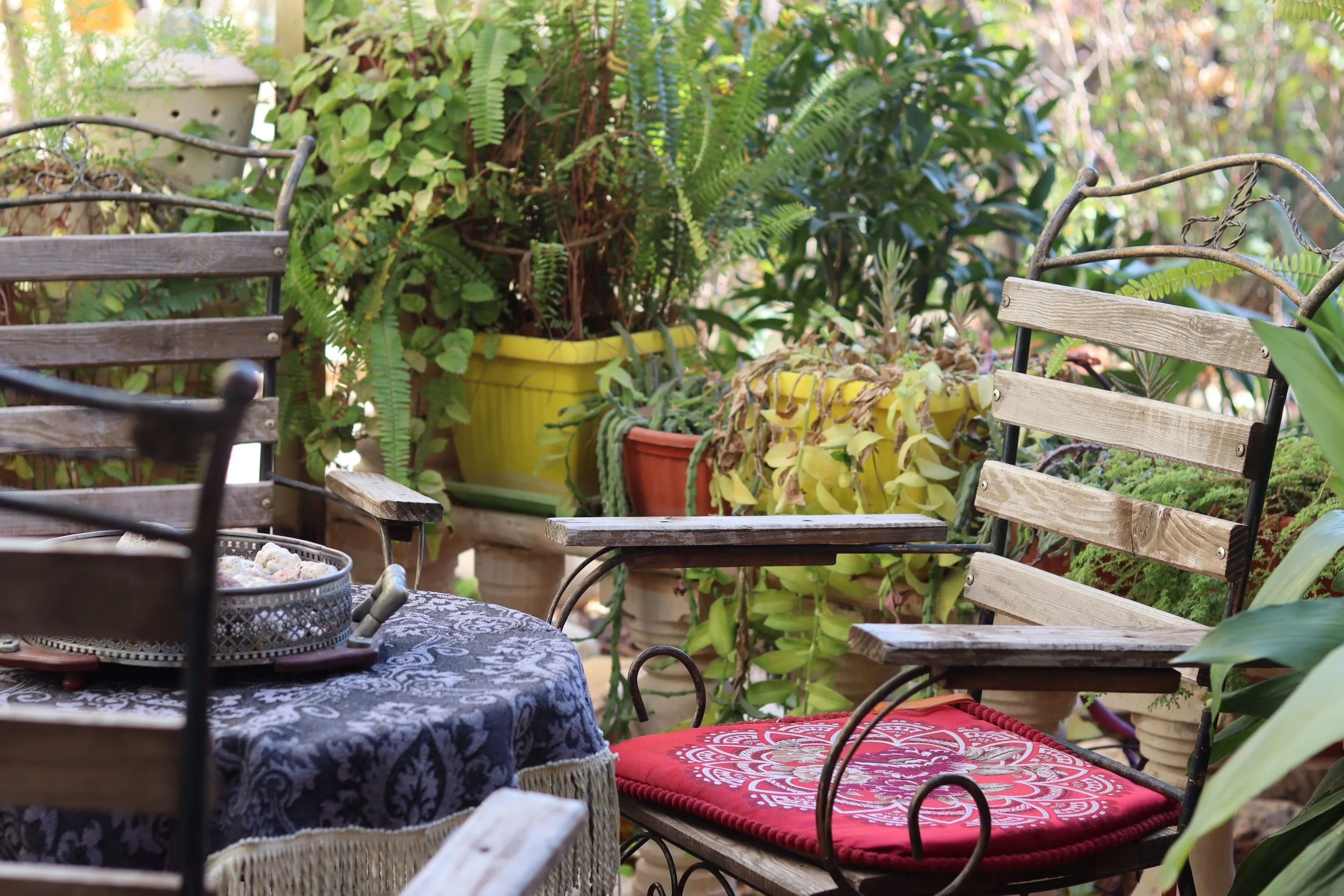
You chose your condo for a reason. Maybe it's the skyline view from the fifteenth floor, the walkability of Inman Park, or the way the morning light pours across your balcony in Grant Park. You invested in a home with style and intention — so why is your outdoor space still an afterthought? A sad pair of plastic chairs, maybe a struggling fern, and forty square feet of untapped potential.
Here's the truth most Intown Atlanta condo dwellers never hear: your balcony can be a garden. Not a compromise, not a consolation prize for the backyard you don't have — a genuinely productive, genuinely beautiful growing space that delivers fresh basil for tonight's pasta, chamomile for your evening tea, and a pocket of green calm above the city noise.
Container gardening has opened the door for people who once thought gardening was off the table entirely. As the University of Georgia Cooperative Extension puts it in its Gardening in Containers guide, growing in containers has expanded the horizons of gardening and is often the only way to garden for apartment and condominium dwellers — and it's especially rewarding for those with just a patio, deck, or balcony to work with. In other words: the research-backed experts at UGA designed guidance with you in mind.
Let's design a balcony garden that earns its place next to that view.
Start With What Your Balcony Is Telling You
Before you buy a single planter, spend a week getting to know your space. Balconies are microclimates — and in Atlanta's Zone 8a, understanding yours is the difference between a thriving edible garden and a graveyard of crispy rosemary.
Track your sunlight. Most vegetables need six to eight hours of direct sun to flower and fruit, while many herbs will produce well with four to six, according to UGA Extension's container gardening guidance for urban growers. A south- or west-facing balcony in Midtown gets blasted with afternoon sun — perfect for tomatoes, peppers, and Mediterranean herbs. A north-facing balcony shaded by the building next door calls for leafy greens, mint, and parsley instead. Neither is wrong. They're just different gardens.
Respect the wind. This is the variable ground-level gardeners never think about, and it's the one that defines high-rise growing. Wind dries out containers fast, snaps tall plants, and turns lightweight pots into projectiles. The higher your floor, the more it matters. Choose heavier containers, cluster them for mutual protection, and favor compact, sturdy varieties over tall and floppy ones.
Know your limits — literally. Check your building's rules on balcony weight loads, railing planters, and drainage before you fall in love with a design. A large container full of wet soil is heavy, and water dripping onto your downstairs neighbor's balcony is the fastest way to end your gardening career. Saucers and self-watering planters solve most of it.
Design Like It's an Extension of Your Living Room — Because It Is
The difference between a balcony with some pots on it and a balcony garden is design intention. This is where style earns its place in the title.
Think in layers, not rows. A great small-space garden works vertically. Anchor the composition with one or two large statement containers — a dwarf fig, an olive tree, a dramatic rosemary standard. Fill the middle layer with mid-sized pots of peppers, compact tomatoes, and flowering herbs. Then bring the eye down with trailing plants: cascading cherry tomatoes, creeping thyme, trailing nasturtiums spilling over the edges. Add a vertical element — a trellis panel, a wall-mounted planter system, a tiered plant stand — and suddenly forty square feet reads like a hundred.
Commit to a container palette. This is the single fastest way to make a balcony garden look designed rather than accumulated. Choose one material family — matte black metal, warm terracotta, glazed ceramic in two or three coordinated tones — and stick to it. The plants provide the variety; the containers provide the cohesion. Mismatched nursery pots are the gardening equivalent of exposed cable clutter.
Size your pots for success, not for looks alone. UGA Extension notes that soil in containers drains differently than ground soil, and poorly drained potting mix leads directly to root problems and plant failure — so proper container selection and a quality potting mix are non-negotiable. Practically speaking: annual herbs like basil are happy in one- to two-gallon pots, but a tomato wants five gallons or more. Every container needs real drainage holes. Use potting mix, never garden soil, which compacts and suffocates roots in a pot.
Design for the view from inside, too. You'll see your balcony garden through the glass far more often than you'll stand in it. Compose it the way you'd hang art — a focal point, balanced masses, breathing room. A well-placed lantern or a small bistro seat turns the garden from a display into a destination.
What to Grow: The Intown Condo Edit
Atlanta's climate is a gift to balcony gardeners. Our long growing season and mild winters mean a well-planned container garden can produce something every month of the year — a rhythm you can follow using UGA's Vegetable Garden Calendar, which breaks down what to plant and when across Georgia's seasons.
For a first-year balcony garden with style and substance, it's hard to beat this combination: culinary herbs (basil, rosemary, thyme, chives, mint — the last one always in its own pot, because mint is a beautiful bully), compact edibles (patio and cherry tomato varieties, peppers, bush cucumbers, and salad greens in cool months), and medicinal and tea herbs (chamomile, lemon balm, calendula, and lavender, which earn their keep twice — once in the teapot, once as pollinator magnets that bring bees and butterflies up to your floor).
If you're choosing varieties, lean on UGA's Vegetable Gardening in Georgia guide for proven performers in our climate, and browse the free, research-based library at UGA Cooperative Extension — hundreds of publications written specifically for Georgia's conditions, not generic internet advice. We keep a curated list of our favorite local nurseries, seed sources, and extension services on our Atlanta Gardening Resources page as well.
One more insider tip that applies even fifteen floors up: get to know your potting mix and feed your plants consistently. Container plants can't send roots deeper for nutrients the way in-ground plants can, so a quality mix plus regular organic fertilizing does the heavy lifting. And water more often than you think — in a Georgia July, exposed balcony containers can need water daily.
More Than Herbs: Why This Is Worth Doing
There's a deeper reason this matters, and it's not just the ten-dollar grocery store basil you'll stop buying. Growing food in small urban spaces is a genuinely American tradition — during World War II, millions of city dwellers grew Victory Gardens on rooftops, balconies, and vacant lots, ultimately producing a staggering share of the nation's fresh vegetables. We wrote about that history and what it means for modern Atlanta in Dig In, Atlanta: The Victory Garden Legacy Behind Today's Kitchen Garden Movement — and the short version is this: you don't need land to be part of it. You need a container, good light, and the decision to start.
There's also the matter of your own wellbeing. If your days are spent in meetings and your evenings are spent scrolling, twenty minutes of watering, pinching basil, and watching bees work your lavender is a small, daily act of repair. That's not a slogan for us — it's the whole reason our company exists.
About Pixels to Petals
Pixels to Petals helps Intown Atlanta residents trade screen time for green time. Our founder spent 30 years in digital marketing before making a midlife pivot from pixels to plants — and now we help people across Grant Park, Inman Park, Ormewood Park, Candler Park, Summerhill, and surrounding neighborhoods build growing spaces that fit their real lives. We specialize in kitchen gardens, medicinal herb gardens, and organic growing methods tailored to Zone 8a — whether that means a backyard plot in Atlanta's famous red clay or a container garden on a tenth-floor terrace. You can read more of our story here.
If you're ready for more than a tip sheet, we offer three ways to work together. A one-hour Garden Consulting session brings clarity to your space, your goals, and your next steps — no gardening experience required. Garden Design delivers a complete, tailored plan: layout, plant list, soil and container specifications, and a design built for year-round beauty and productivity. And Garden Coaching gives you a year of month-by-month expert guidance as your garden grows, with support between sessions whenever an unexpected pest or a wilting tomato has you second-guessing.
Your Balcony Is Ready. Are You?
That view deserves a foreground. Imagine stepping outside with your morning coffee to snip chives for your eggs, or ending the day surrounded by the scent of lavender while the city hums below. It's closer than you think — and you don't have to figure it out alone.
Book a 60-minute Garden Consultation and tell us about your balcony, your light, and what you'd love to grow. We'll tell you honestly what's possible and how to get there. No pressure, no jargon — just a conversation about turning your small space into your favorite room without walls.
Pixels to Petals — serving Virginia Highlands, Grant Park, Inman Park, Ormewood Park, Candler Park, Decatur, Summerhill, Midtown, Buckhead and Intown Atlanta.