

Why "I Don't Know Where to Start" Is Exactly Why You Need a Garden Coach in Atlanta
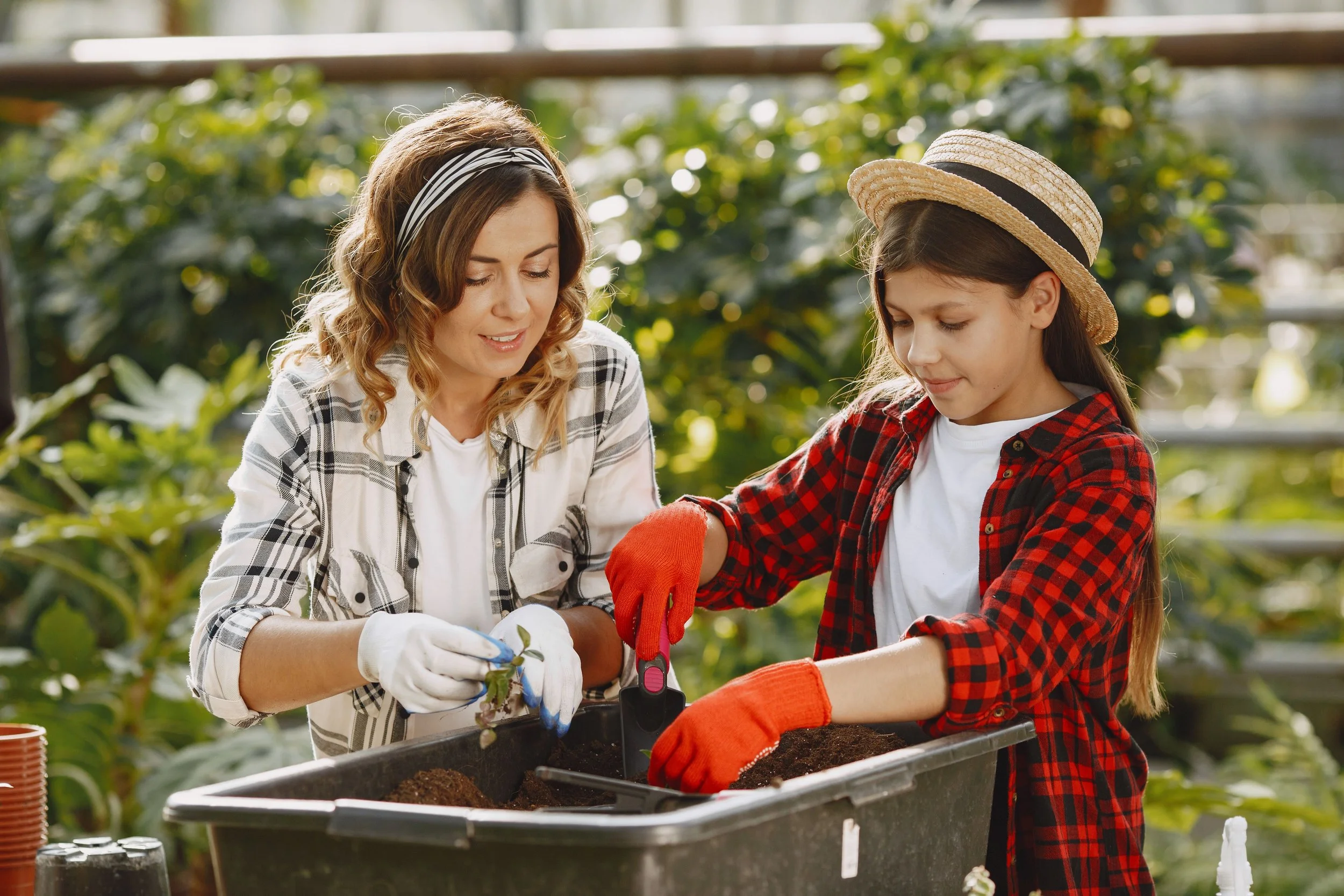
There's a moment that happens in intown Atlanta backyards in late August. You step out with iced coffee at seven in the morning and the air is already thick. You look at the patchy fescue, or the concrete pad behind a Craftsman bungalow, or the raised bed the previous owner built and abandoned. And you think: I really meant to grow something this year. Then the second thought shuts it down: I don't know where to start — and anyway, it's August. I've missed it. Next spring.
Both halves are wrong, and the second is the expensive mistake. In Atlanta, late summer isn't the end of the growing year — it's the opening of the better half. The fall garden of collards, kale, broccoli, carrots, and lettuce gets planted in the exact weeks you've mentally written off. Wait until March and you'll have skipped the most forgiving, least disease-ridden season this city offers.
The first half deserves a reframe too. "I don't know where to start" gets treated like a confession, as if wanting a garden without knowing how to build one says something embarrassing about you. It doesn't. It says something accurate about growing food here. Atlanta is a hard place to figure out alone: dense red clay, humidity that shuts down tomato fruit set by July, and a tree canopy among the densest of any major American city, so a yard that looked sunny in February sits in dappled shade by June. Not knowing where to start isn't a reason to wait — it's the best reason to bring in a garden coach in Atlanta.
August Is a Planting Month Here, Not a Waiting Month
Atlanta's average first frost lands in early to mid-November, which leaves a real runway. The method a garden coach in Atlanta teaches is simple in principle and easy to botch in practice: take a crop's days to maturity, count backward from first frost, plant accordingly. Run that math today and the list is long:
Now through August: broccoli, cabbage, collard, and kale transplants; direct-sown bush beans and squash
August into September: carrots, beets, turnips, radishes
September: lettuce, spinach, arugula, cilantro
October and November: garlic, shallots, overwintering alliums
A bonus most beginners miss: collards, kale, and carrots turn noticeably sweeter after a light frost, as the plants convert starches to sugars. Fall crops here don't just survive the cold — many are only at their best because of it.
Not Knowing Where to Start Is a Sequencing Problem, Not a Talent Problem
People who stall out on a garden aren't short on enthusiasm. They're short on order of operations — which decision comes first, which is reversible, and which will quietly sabotage everything a year from now.
Put a bed in the wrong spot and no fertilizer fixes it. Fill it with the wrong soil blend and you'll fight compaction for years. Sow the right crop in the wrong week, get bolted lettuce, and blame yourself. None of that is a green-thumb deficiency. It's sequencing — which is precisely what a garden coach in Atlanta is for.
What Makes Growing Food in Atlanta Genuinely Different
A good Atlanta gardening coach starts with conditions specific to this city, not to gardening in general:
Red clay. Georgia Piedmont clay holds nutrients well but drains poorly and compacts hard. It isn't bad soil — it's soil that needs a strategy: raised beds, deep compost, and never working it wet.
A zone number that only tells part of the story. Most of Atlanta now sits in USDA Zones 8a and 8b under the 2023 map, up from the old 7b/8a. That number governs which perennials survive winter — it says nothing about humidity, heat stress, or timing. (More on Atlanta's garden zone.)
Late-summer water stress. Establishing fall seedlings in August heat is the hardest watering problem of the year, and it lands in the same stretch as dry spells and restrictions. (A drought guide for the intown gardener.)
Shade you didn't account for. Sun mapping a yard across the full season is one of the most valuable hours an Atlanta gardening coach can spend with you, and almost nobody does it alone.
What a Garden Coach in Atlanta Actually Does
The word "coach" is doing real work here. A garden coach in Atlanta doesn't hand you a plan and disappear — and doesn't take the shovel out of your hands either. The work looks like this:
Walking your yard and reading its light, drainage, slope, and existing plantings
Deciding on scale — one bed or four, in-ground or raised, this fall or staged into spring
Choosing crops you'll actually eat and that will actually produce here
Building a planting calendar keyed to Atlanta's fall and spring windows
Teaching the rhythm: watering depth, succession sowing, pruning, feeding
Being on call when seedlings wilt in a September heat spike
Coaching is knowledge transfer. After a season or two, the goal is that you don't need it — you can read your own garden.
Coaching, Consulting, or Design: What Your Atlanta Gardening Coach Will Recommend
Not everyone at the back door needs the same thing, and a good Atlanta gardening coach says so early rather than selling the biggest package.
For a contained question — why won't anything grow in this corner, is this soil salvageable — a focused garden consultation may be all you need. For layout, materials, and bed structure handled properly from the start, garden design puts a plan on paper before anyone buys lumber. And if the goal is to become someone who gardens confidently, ongoing coaching is the path. Many intown clients use all three, in that order.
Your Small Atlanta Garden Is Part of Something Larger
Here's what surprises new gardeners. You start out wanting tomatoes, and within a season you're watching bees work your borage. Plant the right flowering herbs and pollinator plants — something a garden coach in Atlanta builds into your beds from day one — and your yard stops being a lawn and starts being habitat. Late-season blooms matter especially, feeding pollinators through the lean weeks of autumn. Every intown yard that makes that conversion leaves the surrounding blocks a little more livable.
If you'd rather read before you dig, there's a growing library of Atlanta gardening resources covering local suppliers and markets, plus walkthroughs like the five steps to starting a vegetable garden in Atlanta and a fuller resource collection by topic.
The Story Behind Pixels to Petals
Pixels to Petals came out of a midlife pivot. After thirty years in digital marketing and marketing communications, the founder kept circling one question: Is this it? On paper everything looked fine. But the days went to screens, helping other people sell products that didn't matter much, while the meaningful hours of the week happened in the garden — herbs and vegetables grown first in Boca Raton, then Fort Lauderdale, and now Atlanta. Cutting basil on a Tuesday morning. Pulling a sun-warmed tomato off the vine. That wasn't a hobby. It was the antidote. So the trade got made: screen time for green time, permanently.
The premise is that plenty of people in intown Atlanta feel that same pull. We're overloaded with notifications and oddly disconnected despite being connected constantly. The burnout is real, and there's a whole world out the back door that doesn't require a login. Pixels to Petals helps Atlanta residents make a version of the same trade — not a career change, just a shift toward something real: a kitchen garden producing organic herbs, vegetables, and fruit you grew. More about that journey here.
Working with an Atlanta gardening coach covers every step, from amending Atlanta's notorious red clay to harvest techniques that keep a garden producing year-round. Whether you're in Grant Park, Ormewood Park, Summerhill, Kirkwood, or anywhere else inside the perimeter, the goal is the same: a space that improves your mental health and gives you the grounding satisfaction no feed ever has.
Start Where You Are — Book a 15-Minute Discovery Call
You do not need to know where to start. That's the entire job description of a garden coach in Atlanta. You need a yard, some curiosity, and a willingness to be wrong about a few things your first season — which every gardener is, including the ones who look like they have it figured out.
The lowest-risk next step is a conversation. Book a 60-minute Garden Consultation with Pixels to Petals, talk through what you're working with, and find out whether coaching, consulting, or design fits your yard. No obligation, no homework required. Prefer to send a note? Reach out here and we'll take it from there.
The window open right now closes in a few weeks, and the next one doesn't come around until March. A garden coach in Atlanta exists to get you into this one — one yard, one season, one intown block at a time.