

In-Ground vs. Raised Beds in Atlanta: Why Zone 8a Summers Favor Planting in the Ground
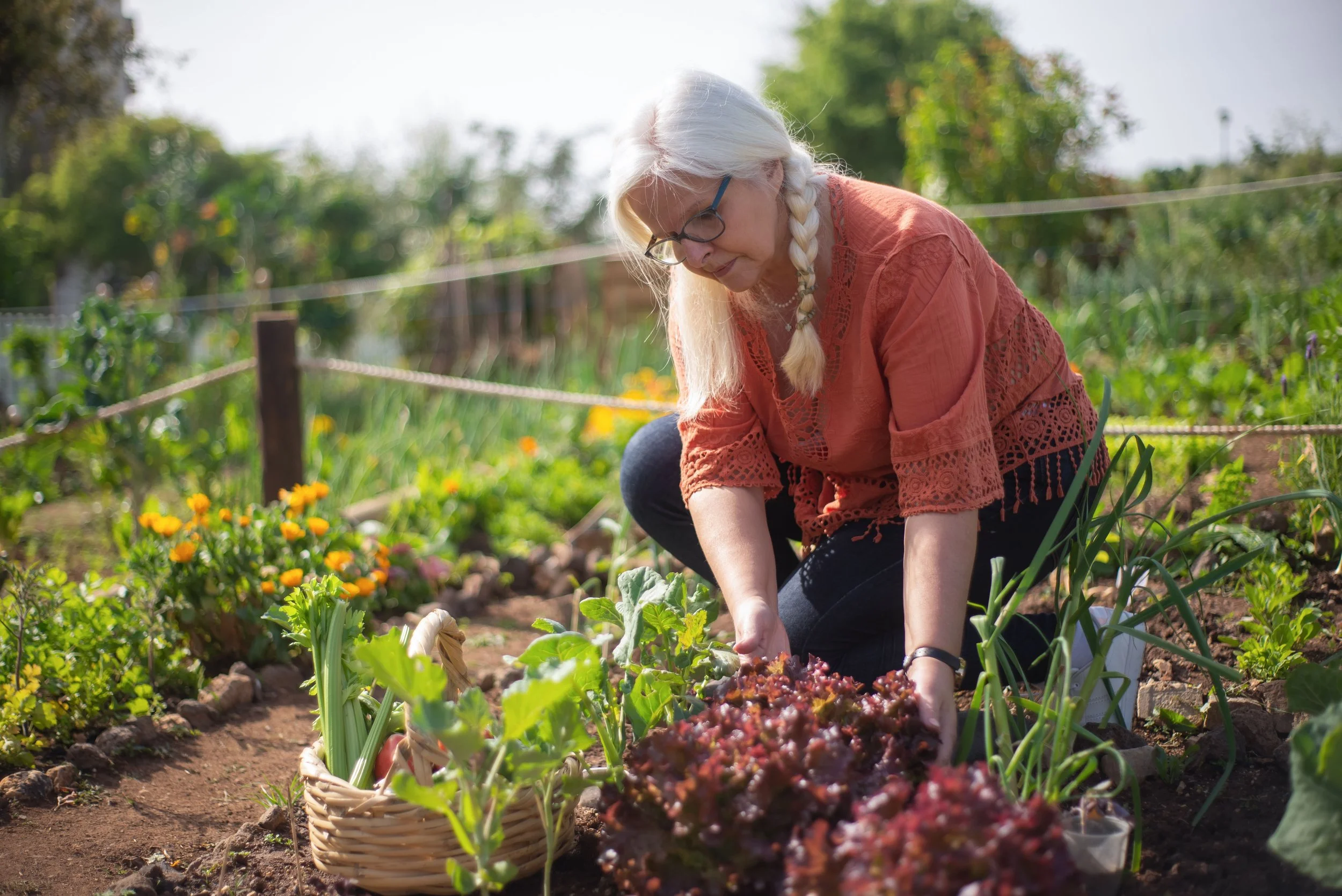
Every spring, a version of the same question lands in my inbox from homeowners across intown Atlanta: should I build raised beds, or should I plant directly in the ground? It usually arrives alongside a photo of a sunny patch of backyard in Grant Park, Ormewood Park, or Summerhill and a note about Georgia red clay — because somewhere along the way, someone at a garden center or on social media convinced them that raised beds are the only reasonable answer to our soil.
They aren't. Raised beds are a legitimate tool, and there are Atlanta yards where they are unquestionably the right call. But most of the default advice you'll find online was written for gardeners in the Northeast and Upper Midwest, where the growing season is short, spring soil is cold and waterlogged, and the entire goal is to warm the ground up as quickly as possible. Atlanta has the opposite problem. Our limiting factor isn't a shortage of heat. It's five months of it, stacked with humidity, thunderstorm-then-drought swings, and a July sun that can genuinely cook a shallow root zone.
Once you understand what Zone 8a actually asks of a kitchen garden, the calculus shifts — and for a lot of intown lots, in-ground gardens quietly outperform the raised beds everyone assumed they needed.
What Zone 8a Really Tells You About Gardening in Atlanta
A USDA hardiness zone is a winter number. It describes average annual minimum temperatures, which tells you what will survive January — not what will survive August. If you want the full breakdown, I've covered what garden zone Atlanta falls into and how zones vary across Georgia separately.
The practical takeaway is this: in Atlanta, winter is rarely the thing that kills a kitchen garden. Summer is. Extended heat, high humidity, sudden downpours followed by stretches of drought, and compacted clay are what stall tomatoes in July and wipe out squash in August. Any decision about garden structure should be judged against that reality first.
Where Raised Beds Genuinely Earn Their Keep
I want to be fair here, because raised beds solve real problems and I recommend them regularly. Raised bed gardens make sense when:
Drainage is genuinely broken. Low spots, compacted fill dirt from construction, or a yard that holds standing water after a storm.
The existing soil is questionable. Older intown Atlanta lots sometimes carry lead or debris near foundations, former driveways, or old outbuildings. If a soil test comes back concerning, raised beds are the safe answer.
Mobility matters. A bed at 24 inches is far kinder to knees and backs, and that alone can be the difference between a garden you tend and one you abandon.
Tree roots dominate. Much of intown Atlanta sits under mature oak and poplar canopy, and established roots will outcompete vegetables for water every time.
You want an earlier spring start. Raised beds warm faster, which buys you a week or two on cool-season crops.
Those are real advantages, and none of them are hypothetical in Atlanta. The trouble is that the same physics that makes raised beds warm up early in March makes them a liability in July — and none of those five conditions describes the average intown yard, which is precisely why in-ground gardens deserve a closer look than they usually get.
Why Atlanta Summers Punish Raised Beds
A raised bed is exposed to air on four sides plus the top. Heat enters from every direction, and moisture leaves the same way. In a Boston spring, that's a feature. In an Atlanta summer, it's a slow-motion problem:
The root zone runs hot. Soil in raised beds routinely sits warmer than surrounding ground. Tomatoes and peppers respond to sustained heat stress by dropping blossoms, which is why so many Atlanta gardeners watch production stall right when it should peak.
The water reservoir is small. A bed holds only the soil you put in it — often 10 to 12 inches. In August, that can mean watering daily, sometimes twice, just to keep plants from wilting by mid-afternoon.
Roots hit a ceiling. Tomatoes will send roots several feet down when given the chance. Raised beds cap that at the depth of the frame.
Costs compound. Lumber, hardware, and enough imported soil to fill multiple beds adds up quickly, and that soil needs replenishing every year as it settles and depletes.
What In-Ground Gardens Do Better in Atlanta
In-ground gardens flip nearly every one of those problems:
Thermal buffering. The earth is a heat sink. Ground temperatures a few inches down stay meaningfully cooler and steadier than the soil inside a frame, which keeps roots functioning through the worst of a Georgia July.
Depth. In-ground gardens let roots follow moisture downward as the surface dries. That's the single biggest reason in-ground plantings coast through dry spells that leave raised beds gasping.
Clay is a water and nutrient reservoir. Red clay's reputation is worse than it deserves. Its fine particles hold water and nutrients far better than the sandy or peat-heavy blends that fill most raised beds. The problem with clay isn't fertility — it's compaction and structure, and both are fixable.
Living soil. In-ground gardens plug directly into the earthworms, fungal networks, and microbial life already present. Raised beds have to build that community from scratch.
Cost and scale. An in-ground garden needs compost, mulch, and labor — not lumber and truckloads of imported soil. Expanding means digging a little farther, not building another box.
Turning Atlanta Red Clay Into a Kitchen Garden
Choosing in-ground gardens doesn't mean planting into concrete-hard clay and hoping. Here's the sequence I walk clients through:
Test your soil. Your county Extension office can run a proper analysis through the University of Georgia's Extension. Guessing is the expensive option.
Check drainage. Dig a hole about a foot deep, fill it with water, and see how long it takes to drain. Very slow drainage is your signal that raised beds — or berming — may be warranted after all.
Loosen, don't pulverize. A broadfork or digging fork opens compacted clay while preserving structure. Repeated rototilling destroys the aggregates you're trying to build.
Add compost generously. Work two to four inches of finished compost into the top six to eight inches. This is what transforms clay from a brick into a sponge. If you're making your own, here's what can and can't go into the pile.
Mound your rows slightly. Shaping in-ground beds four to six inches above the surrounding grade gives you the drainage benefit of raised beds while keeping the thermal mass and root depth of planting in the ground. For most intown Atlanta yards, this hybrid is the sweet spot.
Mulch heavily. Two to three inches of shredded leaves or fine bark moderates temperature, holds moisture, and steadily feeds the soil.
Feed it every season. In-ground gardens improve year over year. Raised beds tend to decline unless you keep amending them.
Then comes timing, which matters as much as structure. Start with the fundamentals of a kitchen garden, then work through how to start a vegetable garden, five steps to starting a vegetable garden in Atlanta, and when it's actually safe to transplant outdoors here. More local sourcing, farmers markets, and supply recommendations live on my Atlanta gardening resources page.
Let's Figure Out What Your Yard Actually Needs
I spent thirty years in digital marketing before deciding I'd rather spend my mornings with my hands in the soil than staring at another dashboard. Pixels to Petals grew out of that shift — a practice built on helping intown Atlanta residents trade screen time for green time and grow real food in their own yards. You can read more about that journey here.
The in-ground versus raised beds question is never purely theoretical, because it depends on your specific lot: your grade, your canopy, your soil test, your body, and how much time you honestly have. That's the work I do through garden consulting, garden design, and garden coaching — assessing what's in front of us and building a kitchen garden that produces year-round rather than one that looks impressive in April and surrenders in July. Along the way, the right plantings bring pollinators, birds, and butterflies back into your yard, which makes your garden part of a healthier Atlanta rather than just a source of tomatoes.
If you're in Grant Park, Ormewood Park, Summerhill, or anywhere else inside the perimeter, staring at a patch of red clay and wondering whether to build boxes or break ground, let's talk it through before you spend a dollar on lumber. Book a 60-minute Garden Consultation with Pixels to Petals — no pressure, just a straight conversation about your yard, your soil, and whether in-ground gardens are the right fit for it. You can also browse more resources or simply get in touch.