

12 Vegetables That Actually Thrive in Atlanta Heat and Humidity (And 5 That Won't)
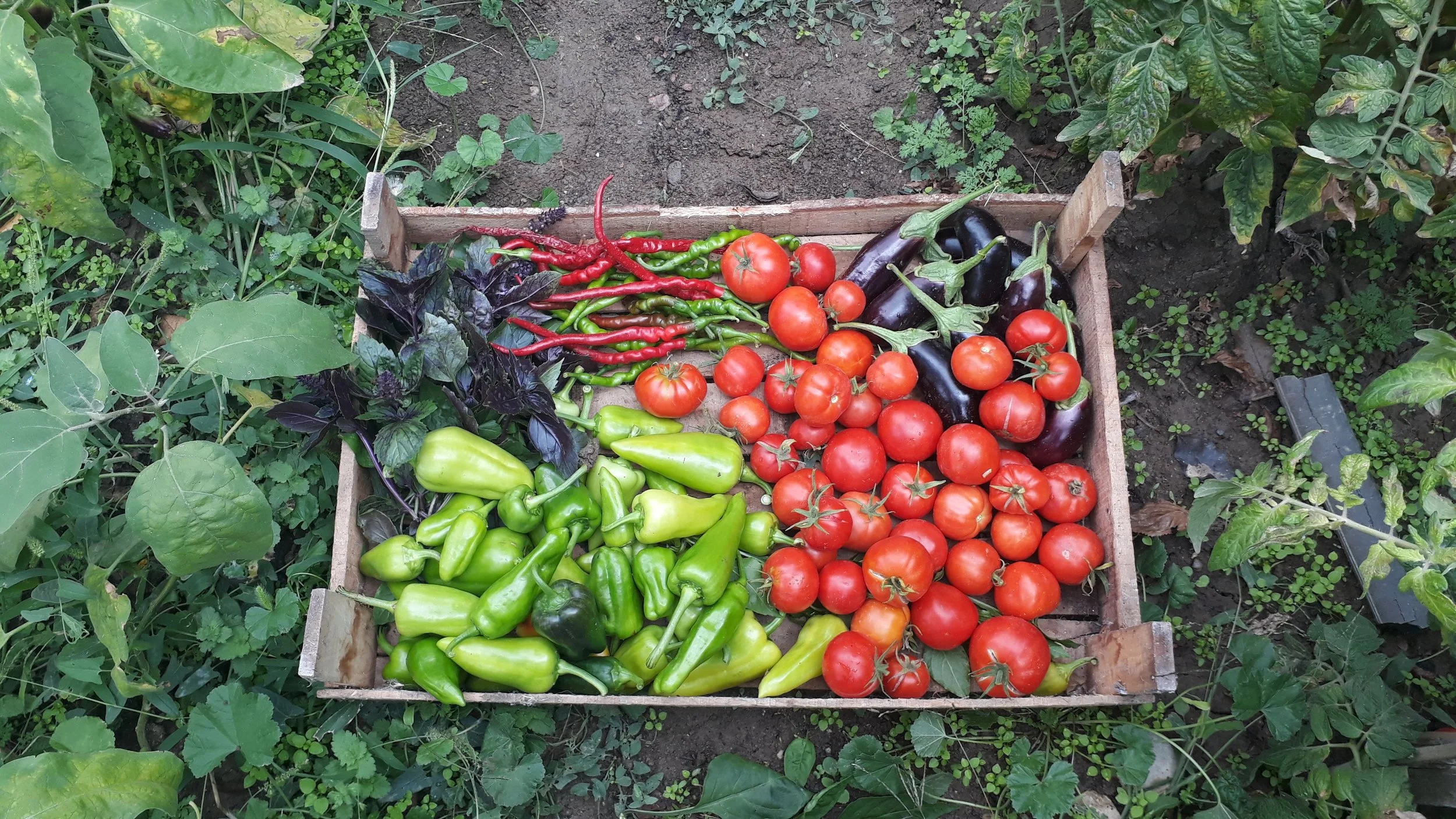
Every spring, a familiar thing happens across intown Atlanta. Someone builds a raised bed in Grant Park or Ormewood Park, fills it with transplants from a big-box store, and waits. By late June the lettuce has bolted, the spinach is gone, the tomatoes have brown-spotted lower leaves, and the whole bed looks like a mistake. The gardener concludes they have a black thumb.
They don't. They planted a Midwestern garden in a subtropical city.
Atlanta sits in USDA Zone 8a, but the zone number only tells you about winter cold. It says nothing about the part that actually breaks summer gardens here: months of daytime highs in the low 90s paired with dew points that make the air feel like a wet towel. That humidity is what separates gardening in Atlanta from gardening almost anywhere north of us. Fungal disease pressure is relentless. Nighttime temperatures stay high enough that some plants stop setting fruit entirely. And Atlanta's red clay compounds all of it, holding water after a thunderstorm and then setting up like concrete a week later.
The good news is that a long, hot, humid season is a gift if you plant for it. Once you match your vegetables to the actual climate, an Atlanta garden can produce from March through Thanksgiving and beyond. Here's what genuinely performs — and what to stop fighting.
12 Vegetables That Love Atlanta Heat and Humidity
1. Okra
No vegetable earns its place in an Atlanta garden faster. Okra thrives at temperatures that shut other vegetables down, tolerates humidity without disease trouble, and produces until frost. Clemson Spineless is the reliable standard; Cajun Delight matures fast and Burgundy is ornamental enough for a front-yard bed. Harvest pods at three to four inches, every single day. Direct sow rather than transplant — okra resents root disturbance and germinates best once soil has warmed past 65 degrees, which in Atlanta usually means early to mid-May. Soaking the seed overnight speeds things along. Give plants 12 to 18 inches of space; they'll reach five or six feet by August and cast real shade, so site them on the north side of the bed. "Every single day" isn't an exaggeration — a pod that's perfect on Monday is woody and inedible by Thursday. If production slows in late summer, cut the plants back by a third and they'll push out a second flush.
2. Southern Peas
Field peas, crowders, and pinkeyes evolved for exactly this climate. They fix their own nitrogen, shrug off drought, and keep an Atlanta garden productive through the worst of August. Mississippi Silver, Zipper Cream, and Purple Hull are proven Georgia performers. Resist the urge to fertilize them. Nitrogen-rich soil produces lush vines and almost no pods, and these vegetables make their own nitrogen while actively improving the bed for whatever follows. Sow seed directly from May through July, which makes southern peas the ideal follow-on crop when spring lettuce or English peas come out. Harvest at the green-shell stage for fresh cooking, or leave the pods on the vine to dry for storage. Watch for cowpea curculio, a weevil long established in Georgia that bores into developing pods; rotating where you plant year to year is the simplest defense.
3. Sweet Potatoes
Slips planted in May will run through a hot, humid summer with almost no intervention, smothering weeds in the process — which makes them one of the lowest-effort crops in Atlanta gardening. Georgia Jet, Beauregard, and Covington are the workhorses. They also break up compacted Atlanta clay as they bulk up. Plant slips — rooted cuttings, not seed potatoes — once the soil is thoroughly warm, and count on 90 to 120 days to harvest. Mound the soil or use a raised bed, because roots grown in dense clay come out forked and stunted. Go easy on nitrogen here as well, or you'll get magnificent vines and disappointing roots. The step most home gardeners skip is curing: hold the harvested roots somewhere warm and humid, around 80 degrees, for about a week, which heals the skin and converts starch into sugar. Store cured roots at cool room temperature, never in the refrigerator. The young leaves are edible as a cooked green, so the vines don't go to waste either.
4. Peppers
Both sweet and hot peppers love the long, warm season that defines gardening in Atlanta. Hot varieties — Mucho Nacho jalapeño, Cayenne Long Slim, habanero — are the most heat-indifferent of any vegetables in the garden. For sweet peppers, Aristotle and Carmen hold up better than thin-walled bells that sun scald. Bell peppers will still drop blossoms during the worst stretch of July and then set a heavy second crop in September as nights cool, so don't pull a plant that appears to have stalled. Keep soil moisture consistent, because the downpour-then-drought pattern of an Atlanta summer is the main driver of blossom end rot. Cage or stake every plant; a fruit-laden pepper snaps at the crotch in a thunderstorm. Hot peppers actually grow hotter under heat and mild water stress, so a brutal August works in your favor. Rotate them away from beds that grew tomatoes or eggplant the previous season, since all three share the same soilborne diseases.
5. Eggplant
Eggplant may be the single most underrated crop for gardening in Atlanta. It genuinely prefers the heat. Black Beauty is classic, while Hansel and Patio Baby produce smaller fruit on compact plants suited to intown lots. The main obstacle isn't weather but flea beetles, which shot-hole the leaves of young transplants in spring; floating row cover for the first few weeks solves it almost entirely, and established plants outgrow the damage. Harvest when the skin is still glossy and springs back to a thumb press, since dull skin means seedy, bitter flesh. Cut fruit off with pruners rather than pulling — the stems are genuinely woody. One healthy plant produces steadily from July until frost, which is more eggplant than most households know what to do with. The compact varieties thrive in large containers, making this a workable crop for a Summerhill patio or a small courtyard.
6. Cherry and Paste Tomatoes
Large slicing tomatoes often stall when nights stay above 75 degrees. Cherry and paste types keep setting fruit anyway. Sungold, Juliet, and Super Sweet 100 will carry your Atlanta garden through the stretch when beefsteaks sulk. Look for varieties with disease resistance coding, and give every tomato serious airflow — humidity spreads foliar disease fast. The physiology is straightforward: sustained warm nights disrupt pollen viability, and small-fruited varieties simply set enough flowers to overcome it. Humidity rather than heat is what actually kills tomato plants in Atlanta, with early blight and septoria leaf spot starting on the lowest leaves and working upward. Three habits prevent most of it — mulch heavily so rain can't splash soilborne spores onto foliage, strip the bottom 12 inches of leaves once plants establish, and water at the base in the morning instead of overhead. Space plants wider than the tag suggests, because airflow buys you more than square footage does. Heirlooms like Cherokee Purple taste wonderful but carry almost no disease resistance, so treat them as a calculated risk rather than a staple. A second planting set out in early July will produce well into October.
7. Malabar Spinach
Not a true spinach, but a vining green that produces thick, succulent leaves through peak heat and humidity. Grow it up a trellis in your Atlanta garden and harvest for salads and stir-fries all summer while your neighbors' spinach is a memory. It's botanically unrelated to spinach — a tropical vine that treats an Atlanta July as ordinary weather and climbs six to ten feet given something to hold. Start it from seed in warm soil and be patient, because germination is slow and uneven; soaking the seed overnight helps. The leaves turn slightly mucilaginous when cooked, thickening a soup the way okra does, so many gardeners prefer them raw or flash-cooked. Red-stemmed types are handsome enough to grow on a porch trellis as an ornamental in their own right. Frost kills it outright, but it self-seeds readily and often reappears on its own the following summer.
8. Swiss Chard
Chard is the most forgiving leafy green for an Atlanta garden. Plant once in spring and harvest outer leaves for months; it neither bolts in heat nor quits in mild winters. Botanically it's a beet bred for leaves instead of roots, which explains the deep taproot that finds moisture during a dry August. Harvest by cutting outer stalks at the base and leaving the central crown intact, and a single planting will feed you for the better part of a year. Fordhook Giant is the durable workhorse, while Bright Lights and Ruby Red earn a spot in a front-yard bed on looks alone. Leaf miners are the one recurring nuisance — pick off affected leaves and cover young plants if damage spreads. Chard handles amended clay well and, unlike lettuce or spinach, keeps standing through both a humid summer and a typical intown winter.
9. Summer Squash and Zucchini
Fast, productive, and heat-loving. The catch is squash vine borer, which is well established here — so plant successive rounds every three weeks rather than betting on one planting. Dunja, Yellow Crooked Neck, and Eight Ball all perform. The borer is a clearwing moth that lays eggs at the base of the stem; the larva tunnels inside, and a plant that looked perfect on Saturday collapses by Tuesday. There's no reliable rescue once it's inside, which is why staggered plantings rather than any spray are the real strategy. Squash bugs and powdery mildew arrive with the humidity too, so scout leaf undersides weekly and pull anything clearly finished. Give plants 24 to 36 inches, because crowded squash in humid air is an open invitation to mildew. Harvest young and often at six to eight inches — a zucchini left three extra days becomes a baseball bat with the flavor of wet cardboard. A round planted in late July often outruns peak borer pressure and carries you into fall.
10. Cucumbers
Cucumbers handle Atlanta humidity as long as you trellis them and keep leaves dry. Diva, Marketmore, and Dasher II resist the downy and powdery mildew that humid summers guarantee. Vertical growing is the single best cucumber decision an intown gardener can make. Trellising lifts foliage off wet soil, dries leaves faster after a thunderstorm, and yields straighter fruit — three problems solved by one decision. Downy mildew moves north out of Florida most summers and reaches Georgia gardens by midseason, so resistant varieties aren't optional. Bitterness is nearly always a water problem: plants that dry out and are then flooded turn harsh, while evenly moist ones stay sweet. Cucumber beetles do more harm as carriers of bacterial wilt than by chewing, so address them early rather than waiting for visible losses. Pick every day or two once production starts, since a single oversized fruit signals the vine to stop setting new ones.
11. Pole Beans
Bush beans finish and quit. Pole beans keep climbing and producing through heat. Kentucky Wonder, Fortex, and Blue Lake give you a long harvest window from a very small footprint — ideal for narrow city yards. Build the trellis before you plant — six to eight feet of netting, string, or a bamboo teepee — because retrofitting support around established vines is miserable work. Sow seed directly where it will grow, as beans resent transplanting and germinate quickly in warm soil. During the hottest week of summer, blossoms may drop without setting pods, but pole types resume as soon as temperatures ease, which is precisely why they outperform bush beans here. Keep picking, because every mature pod left on the vine tells the plant it's finished while steady harvest keeps it flowering. Rattlesnake is a Southern heirloom worth seeking out for heat tolerance, and an early-August sowing will produce a fall crop before frost.
12. Collards
The most Georgia of vegetables, and genuinely a year-round crop for an Atlanta garden. Georgia Southern and Top Bunch tolerate summer heat far better than any other brassica and sweeten dramatically after the first frost. That sweetening is real chemistry rather than folklore: cold triggers the plant to convert stored starch into sugar as a natural antifreeze, which is why collards cut in December taste nothing like collards cut in August. Space plants 18 to 24 inches apart and harvest from the bottom up, taking lower leaves and leaving the growing point, and a well-tended plant will stand for a year or more in a small, palm-like form. Cabbage worms and loopers are the constant pest, and Bt is the standard organic control. Aphids cluster on new growth in fall and rinse off with a strong spray of water. Almost nothing else fills an Atlanta garden bed this productively from August straight through to the following June.
5 Vegetables That Won't Survive an Atlanta Summer
None of these are bad vegetables. They're simply cool-season crops, and asking them to endure Atlanta heat and humidity is asking them to do something they cannot do.
Head lettuce. Iceberg and dense romaine bolt bitter as soon as temperatures climb. Grow loose-leaf types like Black Seeded Simpson in spring and fall instead, and skip lettuce entirely from June through August.
True spinach. Spinach bolts at the first warm spell. In Atlanta it's a February and October crop, not a summer one. Malabar spinach fills the gap.
Broccoli and cauliflower. These need a long cool stretch to form heads. Spring plantings usually get caught by early heat and produce loose, bitter, undersized heads. Fall is the reliable window here — set transplants out in late summer for a fall and winter harvest.
English (garden) peas. Sugar snaps and shelling peas need cool weather to set pods. Atlanta's spring is often too short, jumping from cold to hot in a matter of weeks. Southern peas are the heat-adapted substitute.
Brussels sprouts. They demand a long, cold season to form tight sprouts. In Atlanta they typically produce loose, cabbage-like buds after months of occupying prime bed space. Grow collards or kale instead.
Timing Matters More Than Anything
The most common mistake in Atlanta gardening isn't variety choice — it's the calendar. Our season has two productive windows and a brutal middle. Getting warm-season vegetables established before late-June heat arrives, and starting fall crops while it's still uncomfortably hot in August, is what separates a productive garden from a frustrating one. Knowing what garden zone Atlanta falls in and when it's actually safe to transplant outdoors does more for your harvest than any product you can buy.
Heat and humidity also change how you tend an Atlanta garden day to day. Water deeply at the base in the early morning. Mulch heavily to moderate soil temperature and reduce splash-borne disease. Build organic matter continuously —composting is the long game that turns Atlanta clay into something that actually drains. When rainfall disappears in July, a drought strategy matters more than fertilizer. And planting herbs that attract pollinators and beneficial insects alongside your vegetables handles pest pressure the way nature intended. For anyone starting from zero, there's a step-by-step guide to starting a vegetable garden in Atlanta, and a running list of local gardening resources across Atlanta — nurseries, markets, and suppliers worth knowing.
Growing Something Real, One Intown Yard at a Time
Pixels to Petals exists because of a question that wouldn't go away. After 30 years in digital marketing, the most meaningful hours of the week were the ones spent with hands in the soil — growing herbs and vegetables in Boca Raton, Fort Lauderdale, and now Atlanta. Screen time traded for green time, permanently.
The goal isn't just fresh produce, though a homegrown tomato in July is hard to beat. It's building ecosystems instead of just gardens. Plant the right herbs and flowers alongside your vegetables and you invite pollinators back — bees, butterflies, birds. Your Atlanta garden becomes part of something larger: a healthier local environment, one intown backyard at a time. Whether through garden design, hands-on garden consulting, or ongoing garden coaching, the process covers every step — from preparing that notorious red clay to harvest techniques that keep a garden producing 365 days a year.
If you live inside the perimeter — Grant Park, Ormewood Park, Summerhill, or anywhere nearby — and you're tired of guessing which vegetables will survive the heat, let's talk. Book a 60-minute Garden Consultation with Pixels to Petals and we'll figure out what your space can actually grow. You can also get in touch here. Your yard is capable of far more than you think — it just needs a plan built for this climate.