

Where to Buy Native Plants Around Atlanta
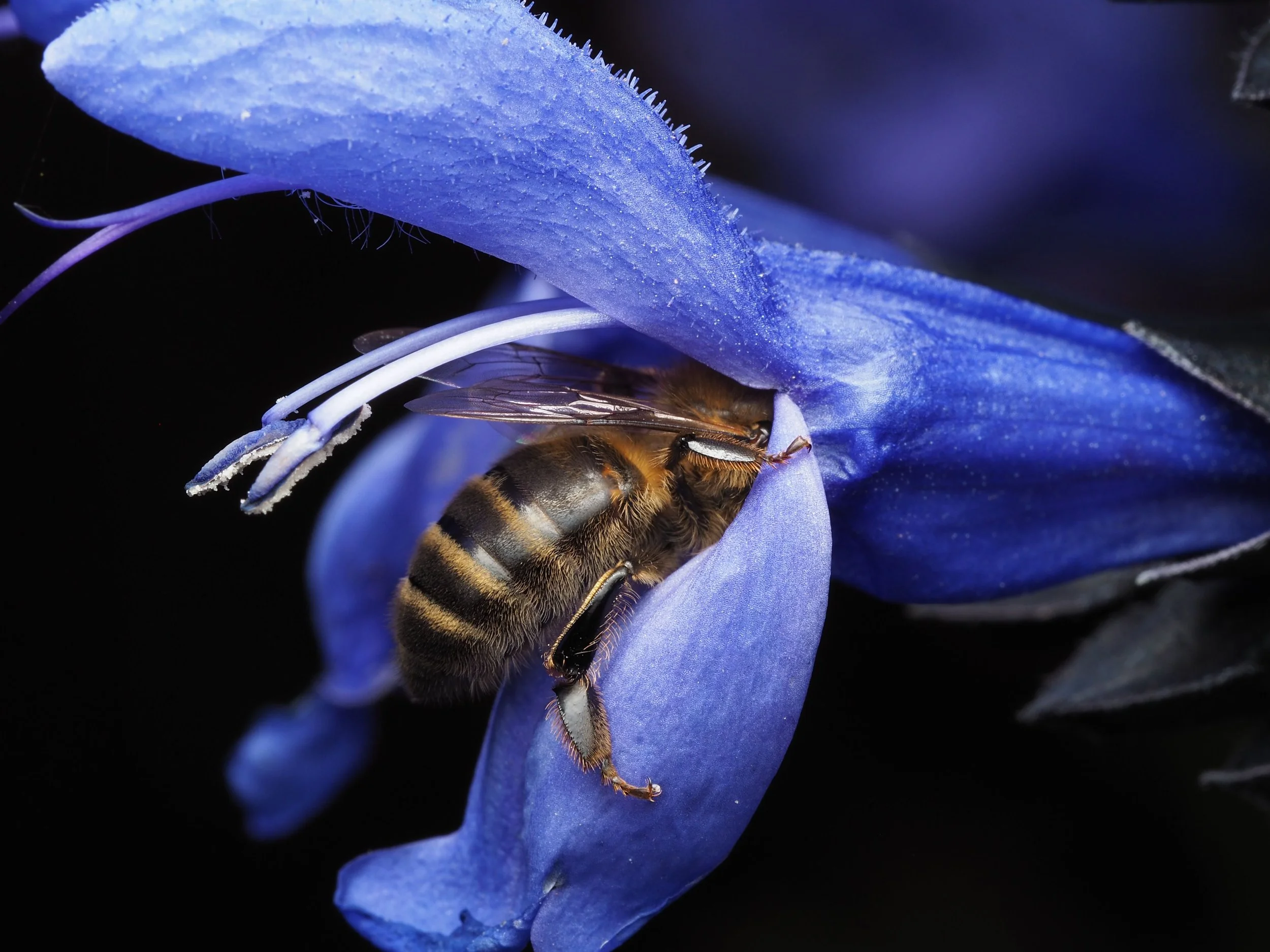
Every intown gardener eventually runs into the same wall. You've read that native plants support more pollinators, need less irrigation once established, and hold up better in Georgia red clay than the imported ornamentals sitting under misters at a big-box store. You're convinced. Then you go looking for the plants themselves, and the trail goes cold. The nursery aisle offers you the same four flats of annuals trucked in from three states away, and nobody on the floor can tell you whether that coneflower is a Georgia straight species or a heavily bred cultivar.
The information about why to plant natives is everywhere. The practical question — where to buy native plants in Atlanta without giving up a Saturday to a drive south of the airport — is the part almost nobody answers well.
Here's the encouraging news: intown Atlanta has quietly become one of the best places in the Southeast to source Georgia natives. Small nurseries operate inside the Perimeter, nonprofit growers propagate from local seed, and seasonal sales draw hundreds of gardeners. You just have to know the calendar and the map.
Why Georgia Native Plants Are Worth the Hunt
Native plants evolved alongside Georgia's soils, rainfall patterns, and insects, and that relationship matters more than most gardeners realize. A native oak or goldenrod supports hundreds of species of caterpillars — the protein songbirds depend on to raise their young — while an ornamental import from Asia may support almost none. Adding native plants to an Atlanta yard isn't decorating. It's rebuilding a food web the city's development pattern broke.
There's a selfish argument too. Once established, native plants handle our brutal August humidity, our clay, and our increasingly common dry spells with far less babying — real money off the water bill and real hours back in your weekend. Our guide to gardening through Atlanta's drought covers how much of that stress better plant selection can prevent.
Where to Buy Native Plants Inside the Perimeter
These are the sources you can reach without leaving intown Atlanta.
Garden*Hood (Grant Park). The independent nursery at Boulevard and Woodward has been intown Atlanta's default for hard-to-find plant material for years. They carry a rotating selection of natives alongside ornamentals and edibles, plus soil amendments blended for our red clay. Ask staff to point you toward straight species rather than cultivars — they know the difference, which is more than most retail counters can say. (gardenhoodatlanta.com)
Trees Atlanta Native Plant Sale. One of the largest native plant sales in the city, typically opening an online store in early spring with pickup at their Allene Avenue SW nursery, followed by an in-person sale staged at The Carter Center. The online store carries a deeper species list; the in-person event is better if you want to see what you're buying. Popular species sell out fast, so order the moment it opens. (treesatlanta.org/support-us/native-plant-sale)
Swallowtail Center. A nonprofit native nursery near Emory, genuinely convenient for the east side. They keep Friday open hours from Labor Day through Memorial Day, take shopping appointments, and sell online year-round. Most stock is in quart pots — the smallest size that reliably establishes — which keeps a serious native planting affordable. (swallowtailcenter.org)
CoFo Nursery / Community Foodscapes (Oakland City). A permaculture-minded nursery focused on native and edible plants, operating on pickup and delivery within about ten miles of downtown Atlanta — essentially all of ITP. (communityfoodscapes.org/collections/plants)
GSU Perimeter College Native Plant Botanical Garden (Piedmont Park). A teaching garden at the park's north end that holds pop-up sales of natives grown on site. Modest prices, unusual selection. (sites.gsu.edu/pcnativegarden/support/plant-sales)
Atlanta Native Plant Nursery. The newest name on this list and the one built most directly around the intown buyer's problem. The growing operation sits in Decatur just outside the Perimeter, but they'll schedule a nursery visit by appointment or arrange a pickup in Southwest Atlanta — which means you can shop their inventory without crossing 285 at all. Browse the availability list online, email about what you want, and set a time. Worth watching if you're on the west or south side, where walk-in native retail is thinnest. (atlnativeplants.com)
Just Past the Perimeter: The DeKalb Cluster
Cross 285 heading east and you hit the densest concentration of native growers in the metro. None of these is more than about twenty-five minutes from Decatur Square.
Botany Yards (North Decatur). A family-owned operation that sells seed, not potted plants — which makes it a completely different tool than everything else on this list. Their catalog is southeastern natives, much of it hand collected, and it's the rare source that labels provenance in plain language: seed marked as an "ecotype" originated in the Southeast and is tagged with the state it came from, so a Georgia ecotype is genuinely adapted to conditions here. Other listings are labeled as collected in Georgia but originally from elsewhere, or from further afield entirely. Packets run a few dollars, so if you're seeding a meadow strip, a hell strip, or a hundred feet of border, this is the only route that doesn't cost hundreds. Growing from seed also takes patience — plan on a season of germination before you have anything to plant out. (botanyyards.com)
Beech Hollow Wildflower Farm (Scottdale). Grows Georgia natives and partners with conservation groups on seasonal online sales with local pickup, just past Decatur near Your DeKalb Farmers Market. Their strength is depth: a long list of species that simply aren't carried anywhere else in the region. See the seasonal sales section below for timing. (beechhollowfarms.com)
Cottage Garden Natives (Lithonia). A small family-run retail nursery on Holt Road growing perennials and shrubs native to Georgia and the wider Southeast. Two things make it worth the drive out I-20. First, the inventory is listed as 100% native with no Category 1, 2, or 3 invasives carried at all — you cannot make a bad purchase here by accident, which is not true of general garden centers. Second, they delivery within roughly forty miles of Lithonia, which covers essentially the entire metro. Spring open hours have run Friday through Sunday, 10am to 4pm, March through June; outside that window they take appointments and sell online. Their plant listings are unusually specific about light and moisture, which makes matching plants to a tricky spot much easier before you leave the house. (cottagegardennatives.com)
North of Atlanta
The Gilmore Guys Native Plant Nursery (Marietta). A small grower with a clear philosophy: they don't ship. Everything moves through on-site pickup arranged by email, local delivery around Marietta, or pickup at farmers' markets they attend — a deliberate choice to keep plants out of boxes and guarantee they arrive healthy. Selection spans flowers, shrubs, and trees, plus heirloom vegetables, so it's a practical stop if you're building a kitchen garden and a pollinator border in the same season. Their market schedule moves around, so check Instagram before you plan a trip. Roughly twenty-five minutes up 75 from Midtown outside of rush hour. (gilmoreguysnatives.com)
North Georgia Native Plant Nursery (Canton). About forty-five minutes up I-575, and the most rewarding half-day drive on this list. Owner Katy brings 25 years in the nursery industry and a Georgia Certified Plant Professional credential, and the propagation ethic is exactly what you want: plants are grown from their own collected or nursery-grown seed, division, or other propagation — never dug from the wild. That matters, because wild collection is a real problem with certain showy natives, and it's not always disclosed. They carry an unusually broad milkweed selection, including species like clasping, poke, swamp, aquatic, and butterfly milkweed that rarely appear together in one place. Hours have run Wednesday through Saturday, 10am to 3pm. Prices tend to beat the big-box stores outright. (northgeorgianatives.com)
South of Atlanta
Nearly Native Nursery (Fayetteville). This is the drive south of the airport mentioned at the top of this article — and having now made it, I'd say give up the Saturday. Nearly Native has been growing southeastern natives on McBride Road for around two decades, and the property functions as much as a botanical garden as a sales yard, with mature display beds, bog plantings, and dry-slope demonstrations that show you what these plants actually become in year five. That's the single hardest thing to visualize from a quart pot, and it's the reason to go in person. The name is honest: the inventory is mostly southeastern natives but not exclusively so, so ask. Hours have generally run Wednesday through Saturday, 9am to 6pm, open most of the year with short closures in midwinter and midsummer. Call ahead before a long drive. (nearlynativenursery.com)
Seasonal Sales: The Real Answer to Where to Buy Native Plants
Retail nurseries are only part of the picture. A large share of the best native plant material in Georgia moves through seasonal nonprofit sales, and if you don't know the calendar, you miss them entirely.
The rhythm runs in two waves. Spring sales cluster from late March through April. Fall sales run through September and early October — and fall is arguably the better time to buy, since roots establish through our mild winter before summer heat arrives.
Sales worth building a calendar around:
Chattahoochee Nature Center (Roswell) holds spring and fall sales featuring more than 100 varieties grown on their own property, with horticulturists on site to help match plants to conditions like dry shade or sunny borders. Most plants run $5–$35. Technically OTP, but a short drive up 400 and worth it. (chattnaturecenter.org/events)
The Georgia Native Plant Society publishes a statewide seasonal sale calendar each spring and fall. This is the single most useful bookmark for anyone asking where to buy native plants anywhere in Georgia. (gnps.org)
Wild Roots Native Nursery runs pop-ups at Atlanta locations and offers online ordering with intown pickup — a strong source for spring ephemerals and shade-loving woodland perennials. (wildrootsnativenursery.com)
Beech Hollow Wildflower Farm (Scottdale) grows Georgia natives and partners with conservation groups on seasonal online sales with local pickup, just past Decatur near Your DeKalb Farmers Market. (beechhollowfarms.com)
The State Botanical Garden of Georgia (Athens) holds a fall native plant sale featuring species grown from Georgia-collected seed at its Mimsie Lanier Center for Native Plant Studies. A day trip, but the provenance is unmatched. (botgarden.uga.edu/events)
What to Check Before You Buy
Knowing where to buy native plants only gets you halfway. A few things separate a purchase that thrives from one that sulks and dies:
Ask about provenance. Plants grown from regionally collected seed are better adapted than the same species grown in Michigan. Some sources on this list make this easy — Botany Yards labels seed by ecotype and state of origin, North Georgia Native Plant Nursery propagates from its own stock, and the State Botanical Garden grows from Georgia-collected seed. At everyone else, just ask.
Ask whether it was wild collected. A nursery that propagates from seed, cuttings, and division is doing conservation. One that digs showy natives out of the woods is doing the opposite. Reputable growers state their practice plainly and won't mind the question.
Straight species vs. cultivar. Cultivars bred for double blooms or unusual foliage color sometimes lose the nectar accessibility or leaf chemistry that made the plant valuable to insects in the first place.
Don't judge by the pot. Native plants aren't forced into artificial bloom for the sales table. As native gardeners say: first year they sleep, second year they creep, third year they leap.
Match the plant to your actual conditions. Sun exposure, drainage, and soil matter more than the label's optimism. Confirm what garden zone Atlanta falls into before you buy anything, because our shift toward warmer winters changes the math.
Call before you drive. Most of the growers on this list are small operations with seasonal hours that shift with the weather and the harvest. A two-minute phone call saves a wasted hour on 285.
Blending Native Plants Into a Kitchen Garden
You don't have to choose between growing food and supporting wildlife — the most productive intown gardens do both. Native plants along the borders of a raised bed or in-ground plot pull in the bees and predatory insects that pollinate your squash and eat your aphids. A stand of mountain mint at the edge of a vegetable garden does more for yield than most sprays ever will.
That integration is where a lot of Atlanta gardeners get stuck. Knowing where to buy native plants is a logistics problem. Knowing which ones belong in your yard, in your light, next to your tomatoes, is a design problem.
Let's Get These Plants in the Ground
Pixels to Petals grew out of a career change. After 30 years in digital marketing — staring at dashboards, helping other people sell things I didn't care about — I realized the most meaningful hours of my week were the ones with my hands in the soil. So I traded screen time for green time, permanently. The full story is here, but the short version is that gardening was the antidote to everything that felt hollow, and I now help other Atlanta residents make the same trade.
That's the work: guiding intown Atlanta homeowners from bare red clay to a kitchen garden that produces year-round, with native plants woven in so the whole thing becomes an ecosystem instead of a plot. Through garden consulting, garden coaching, and garden design, I work with clients in Grant Park, Ormewood Park, Summerhill, and neighborhoods across our service areas — walking the site, reading the light, amending the soil, and choosing plants that will actually succeed where you live. Browse more of our resources or reach out directly any time.
If you've been circling the question of where to buy native plants because you're not sure what to do with them once you get home, that's the gap worth closing before the next sale season. Start at Pixels to Petals, then Book a 60-minute Garden Consultation and let's talk about what your yard could become.