

Brown Tips and Crispy Edges: The Anatomy of a Stressed Leaf
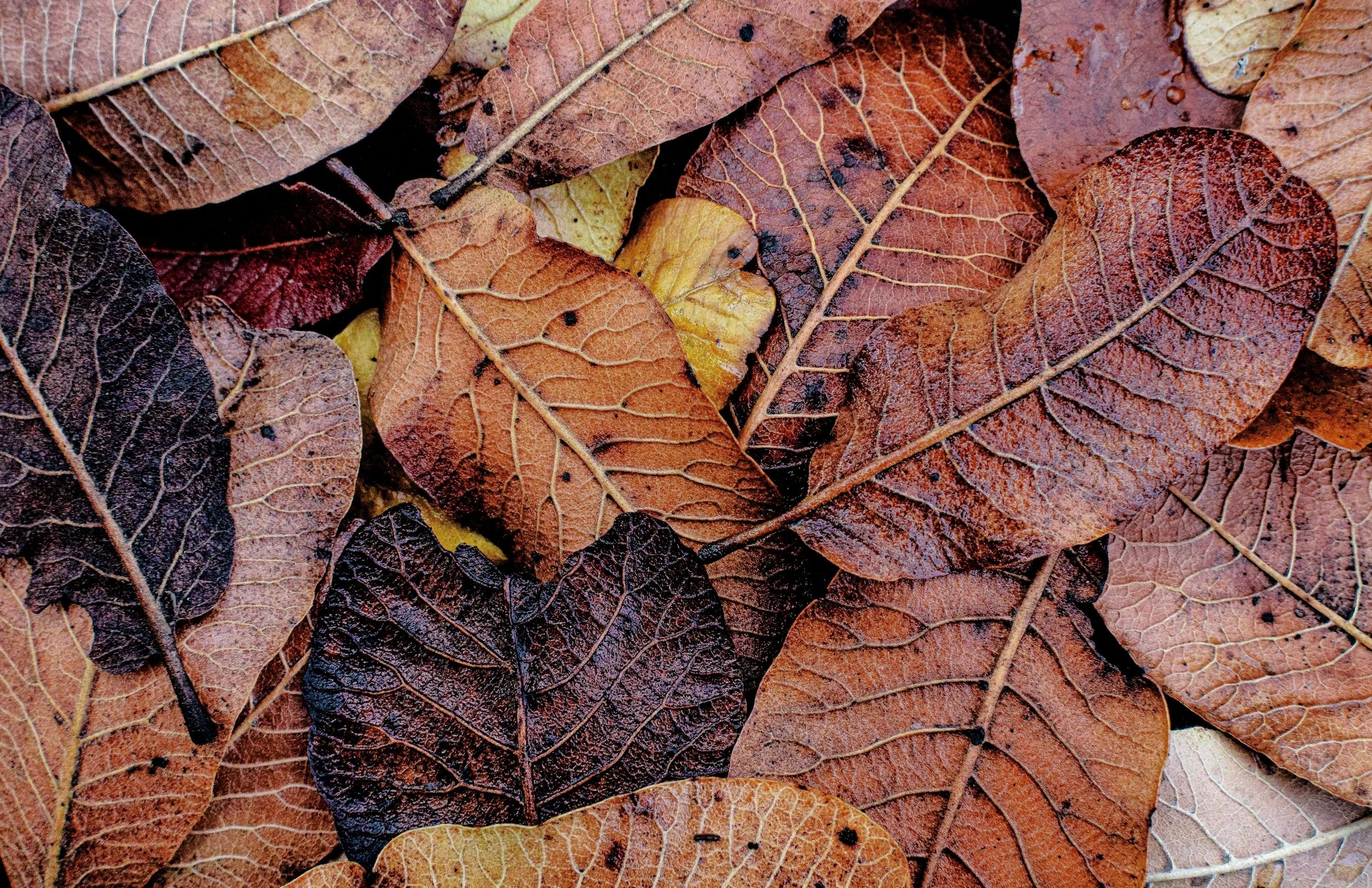
Few plant symptoms are as universal — or as universally misunderstood — as browning leaf tips and crispy edges. That thin band of dead, papery tissue creeping in from the margins is called necrosis, and it's the plant's way of sacrificing its most vulnerable real estate. Leaf tips and edges sit at the very end of the plant's plumbing: the last stops on the vein network, and the first places to suffer when water fails to arrive in usable form.
For gardeners in Atlanta, Georgia, brown leaf edges are practically a rite of passage. Our summers deliver weeks of 90-degree heat, our red clay soil swings between waterlogged and brick-hard, and our droughts arrive without much warning. Understanding why water isn't reaching your leaf tips is the whole diagnostic game — and it's a skill worth mastering, because the causes range from harmless to garden-threatening. At Pixels to Petals, plant diagnosis like this is the daily work of helping intown Atlanta residents grow thriving kitchen gardens, and the patterns below are the same ones a professional looks for on every garden consulting visit.
Tip Burn: When Water Delivery Breaks Down
Brown tips on otherwise healthy leaves are the classic signature of inconsistent watering. When soil swings between soggy and bone dry — the default condition of unamended Atlanta clay — fine root hairs die back during dry spells, and the plant temporarily loses the capacity to keep up with demand. The leaf tips, farthest from the roots, dry out first.
Atlanta's weather makes this worse in both directions. A summer thunderstorm dumps two inches of rain on Saturday; by Thursday, the top of the bed is dust while the clay beneath is still saturated. Plants hate this whiplash. The drought survival guide for the intown Atlanta gardener covers the fix in depth: deep, infrequent watering, generous mulch, and soil amended with compost so it holds moisture evenly instead of hoarding or shedding it.
The same brown-tip symptom appears when soil moisture is fine but the air is the problem. Low humidity pulls moisture out of leaves faster than roots can replace it. Outdoors in Atlanta this is rarely the issue — our humidity is famous — but for houseplants in heated homes each winter, dry indoor air is the number-one cause of browning tips on ferns, calatheas, and spider plants.
Salt Burn: The Invisible Injury on Leaf Edges
Brown tips that appear despite consistent watering often trace back to what's in the water or the soil. Fertilizer is the usual offender. Every feeding leaves mineral salts behind, and in containers and raised beds those salts accumulate. Look for a telltale white crust on the soil surface or around drainage holes. Salt-burned leaves often show a yellow transition band between the dead brown tissue and healthy green — damage still in progress.
Overfertilizing is one of the most common mistakes new Atlanta gardeners make, usually out of enthusiasm. If a soil test (available inexpensively through UGA Extension — find details among the gardening resources in Atlanta) says your bed is already fertile, more fertilizer only burns roots and browns leaf margins. Flush containers periodically with a heavy volume of water, and let compost do more of the feeding — the guide to what you can and can't compost will keep your pile productive and your soil steadily nourished.
Edges vs. Tips: Reading the Whole Leaf Margin
When browning wraps around the entire leaf edge rather than just the tip, think bigger stress:
Underwatering or root damage: the plant simply cannot supply the whole leaf perimeter. Common after transplanting too early or too roughly — check when it's safe to transplant outdoors in Atlanta before moving seedlings.
Fertilizer burn: a heavy feeding on dry soil sends a concentrated salt pulse straight to the leaf margins.
Heat and wind scorch: after a hot, windy Atlanta afternoon, exposed leaves bleach, then brown, worst on the sun-facing side. Japanese maples, hydrangeas, and lettuce bolting in June are frequent victims.
Potassium deficiency: older leaves develop scorched yellow-then-brown edges while centers stay green. This one masquerades as drought stress, but it targets old leaves specifically and persists even with perfect watering. It belongs to the wider family of nutrient deficiencies that show up first as leaf symptoms.
Physiological Browning vs. Disease: The Pattern Tells You
Water, salt, and heat problems produce browning that is dry, papery, and bordered by a fairly clean line, sometimes with a narrow yellow halo. Disease looks different. In Atlanta's humid summers, fungal and bacterial leaf infections produce browning that is blotchy and irregular, often starting within the leaf rather than at its edge, sometimes water-soaked or greasy before it dries, and frequently dotted with tiny dark specks. Concentric target-like rings mean fungal leaf spot, not a watering issue — prune for airflow, water at the soil line rather than overhead, and remove infected leaves promptly.
Preventing Crispy Edges Before They Start
Most browning in Atlanta gardens traces back to unstable moisture, so prevention is largely a matter of engineering steadiness into your beds:
Amend clay generously with compost. Organic matter turns red clay from a moisture tyrant into a moisture bank, holding water through dry weeks and draining it after storms.
Mulch two to three inches deep. Mulch buffers soil temperature and slashes evaporation during Atlanta's July and August heat, protecting the fine roots that keep leaf tips supplied.
Water deeply and less often. Shallow daily sprinkles grow shallow roots that fail the moment a heat wave hits. A long soak once or twice a week trains roots downward, where moisture is steadier.
Site plants honestly. A hydrangea in full western sun or lettuce planted into June heat will scorch no matter how well you water. Matching plants to Atlanta's Zone 8a season — and to the light your specific yard actually gets — prevents more browning than any hose can. If you're starting fresh, the five steps to starting a vegetable garden in Atlanta walk through siting and soil from the ground up.
Feed the soil, not the plant. Compost-fed beds almost never see fertilizer salt burn, because nutrients release slowly instead of arriving in concentrated pulses.
Should You Trim Brown Leaf Tips?
Yes, for appearance — brown tissue never recovers. Cut with clean scissors, following the leaf's natural shape, and leave a hair-thin margin of brown rather than cutting into green tissue, which just creates a fresh wound that browns again. But trimming treats the symptom. The leaf has told you something about water, salts, heat, or nutrition, and the real work is answering it.
Growing Beyond the Guesswork in Atlanta
If diagnosing crispy edges feels like detective work, that's because it is — and it gets dramatically easier with a guide who knows Atlanta's specific conditions. Pixels to Petals helps intown Atlanta residents in Grant Park, Ormewood Park, Summerhill, and surrounding neighborhoods turn stressed, struggling plants into productive kitchen gardens. The story behind the company is a familiar one: a founder who spent 30 years in digital marketing, realized the most grounding hours of the week happened in the garden, and traded pixels for petals permanently.
That philosophy shapes every service. Garden consulting delivers on-site plant diagnosis — someone standing in your yard, reading your leaves, and handing you a plan. Garden coaching builds your own skills season by season, so the next brown edge is information rather than panic. Garden design prevents most of these problems outright, with beds engineered for Atlanta clay, smart irrigation, and plants suited to our Zone 8a climate — see what gardening zone Georgia falls in to understand why that matters.
The bigger goal isn't just healthier leaves. It's a lifestyle shift — less screen time, more green time, and a garden that feeds you while inviting bees, butterflies, and birds back into your corner of Atlanta. Start with the free Atlanta Kitchen Garden Starter Guide, browse the full resources library for guides on everything from herbs that attract pollinators to seasonal planting calendars, and explore local soil labs, farmers markets, and suppliers in the Atlanta gardening resources directory.
When you're ready for a second set of eyes on those browning leaves, Book a 60-minute Garden Consultation with Pixels to Petals or send a note through the contact page. It's fifteen minutes that can turn a summer of crispy edges into a season of harvests — right here in Atlanta.