

The Hunger Map: Diagnosing Nutrient Deficiencies Leaf by Leaf
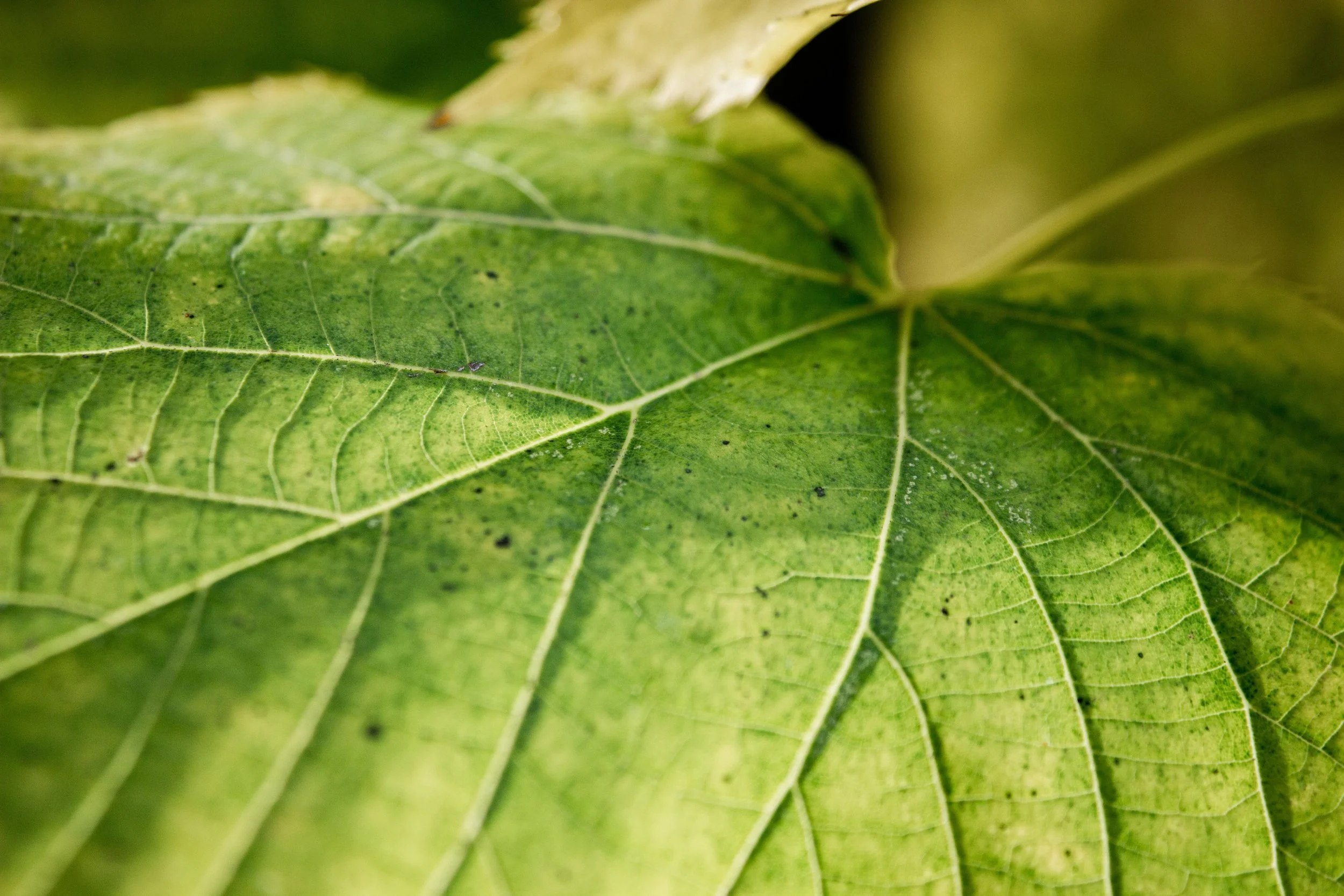
Every leaf in your garden is a status report. Long before a plant stops producing, long before it collapses, its leaves broadcast exactly which nutrient is running short — in a visual language of color, pattern, and position that any gardener can learn to read. Botanists call the underlying logic nutrient mobility, but you can think of it as a hunger map: a way of diagnosing nutrient deficiencies simply by noticing where on the plant the symptoms appear and what they look like when they get there.
For gardeners in Atlanta, Georgia, this skill matters more than most places. Our native red clay is naturally acidic, often low in organic matter, and notorious for locking up nutrients that are technically present but chemically unavailable. Intown Atlanta lots add their own complications — construction fill, buried mortar rubble that raises pH near foundations, and decades of compaction. A plant can starve in soil that a bag-label gardener would swear is well-fed. That's why plant diagnosis by leaf-reading, confirmed by a proper soil test, is the foundation of everything Pixels to Petals does for intown Atlanta gardens, from garden consulting visits to season-long garden coaching.
The Master Key: Mobile vs. Immobile Nutrients
Here is the single rule that unlocks the whole hunger map. Some nutrients are mobile — the plant can dismantle them from old leaves and ship them to new growth when supplies run short. Others are immobile — once built into a leaf, they're stuck there.
Mobile nutrients (nitrogen, phosphorus, potassium, magnesium): deficiency symptoms appear on the oldest, lowest leaves first, because the plant is cannibalizing them to protect new growth.
Immobile nutrients (iron, calcium, sulfur, manganese, boron, zinc): symptoms appear on the newest, youngest leaves first, because the plant can't relocate reserves to build them properly.
Glance at a struggling plant and ask: is the trouble at the bottom or the top? You've already narrowed the diagnosis in half.
Reading the Old Leaves: Mobile Nutrient Deficiencies
Nitrogen — the most common deficiency in Atlanta vegetable gardens. Lower leaves fade to a uniform pale yellow-green, then yellow completely and drop, while the whole plant grows slowly and looks washed out. Heavy Georgia rains leach nitrogen quickly, especially from raised beds. Steady feeding with compost is the sustainable fix — the guide to what you can and can't compost will keep your supply flowing.
Phosphorus — older leaves take on a dull, dark blue-green cast, often with purple or reddish tints on undersides and stems. Classic in Atlanta's early spring, when soil is still too cold for roots to absorb phosphorus even when it's plentiful. Tomato seedlings planted too early show purple leaves almost on cue — one more reason to check when it's safe to transplant outdoors in Atlanta before jumping the season.
Potassium — older leaves scorch from the edges inward: yellow margins turning brown and crispy while the leaf center stays green. It mimics drought stress, but it targets old leaves specifically and persists no matter how carefully you water.
Magnesium — the showiest deficiency on the map. Older leaves develop interveinal chlorosis: yellow tissue between veins that stay boldly green, creating a marbled, Christmas-tree pattern. Common in Atlanta's acidic soils and in tomatoes and peppers late in the season.
Reading the New Leaves: Immobile Nutrient Deficiencies
Iron — new leaves emerge pale yellow to nearly white with a fine network of sharp green veins. In Atlanta, iron chlorosis is usually a pH problem rather than a true shortage: azaleas, blueberries, gardenias, and camellias planted near concrete walkways or foundations sit in soil sweetened above the acidic range they require.
Calcium — the deficiency behind every Atlanta gardener's August heartbreak: blossom end rot, the sunken black patch on the bottom of tomatoes. On leaves, calcium shortage shows as distorted, hooked, or scorched new growth. It's usually a water-delivery problem, not a soil shortage — inconsistent moisture in our feast-or-famine summers interrupts calcium transport. The drought survival guide for the intown Atlanta gardener tackles exactly this.
Sulfur — looks like nitrogen deficiency (uniform pale yellowing) but starts on new leaves instead of old. That single positional difference is the diagnosis.
Manganese and zinc — interveinal yellowing on young leaves, like a softer version of iron chlorosis; zinc adds small, narrow, bunched new leaves.
Confirm Before You Treat: Soil Testing in Atlanta
The hunger map narrows your plant diagnosis; a soil test confirms it. This step matters because deficiency look-alikes abound — root rot, compaction, and pH problems all block uptake of nutrients that are sitting right there in the soil. Dumping fertilizer on a pH problem wastes money and can make matters worse. UGA Extension offers inexpensive, thorough soil tests to every Atlanta gardener, with results that spell out pH and nutrient levels; you'll find testing details, plus local suppliers and farmers markets, in the directory of gardening resources in Atlanta. Understanding your Atlanta garden zone rounds out the picture, since Zone 8a's long season means hungry plants and fast-depleting beds.
Deficiency Look-Alikes: When Hungry Leaves Are Lying
Before you amend anything, rule out the impostors. Several common Atlanta garden problems mimic nutrient deficiencies convincingly:
Overwatering and root rot produce the same pale, yellowing leaves as nitrogen shortage — but the soil stays wet and the plant wilts despite it. In clay beds and low spots, always check drainage before feeding.
Compaction starves roots of oxygen, shutting down nutrient uptake across the board. Intown Atlanta lots with construction history are frequent offenders; leaves show a vague, general hunger that no fertilizer fixes because the problem is physical, not chemical.
Herbicide drift from lawn treatments twists and cups new leaves in ways that resemble calcium or boron deficiency. Tomatoes are exquisitely sensitive — if new growth is distorted and a neighbor recently treated a lawn, suspect drift first.
Spider mites and other sap-feeders create stippled yellowing that reads as magnesium deficiency from a distance. Flip the leaf and check with a hand lens before reaching for Epsom salts.
The pattern to remember: true nutrient deficiencies are orderly. They follow the mobile-or-immobile rule, appear symmetrically across the plant, and progress predictably. Damage that's patchy, one-sided, or sudden usually has a different author.
A Pocket Version of the Hunger Map
Old leaves, uniform yellow: nitrogen
Old leaves, purple tints: phosphorus (or cold soil)
Old leaves, scorched edges: potassium
Old leaves, green veins / yellow between: magnesium
New leaves, white-yellow with green veins: iron (check pH)
New leaves, distorted or hooked; fruit rot on tomatoes: calcium (check watering)
New leaves, pale all over: sulfur
From Reading Leaves to Growing Abundance in Atlanta
Learning the hunger map changes how you see your garden: leaves stop being decoration and become a running conversation. But there's a difference between reading the language and speaking it fluently — knowing which amendment, in what amount, at what point in Atlanta's calendar. That fluency is what Pixels to Petals brings to intown Atlanta gardeners in Grant Park, Summerhill, Ormewood Park, and beyond.
The company grew out of a midlife trade: after 30 years in digital marketing, its founder realized the most meaningful hours of the week were the ones spent with hands in the soil, and walked away from the dashboards for good. Pixels to Petals now exists to help neighbors make a version of the same trade — less time scrolling, more time growing organic herbs, vegetables, and fruit in a kitchen garden that produces year-round in Atlanta's generous climate.
Every service is built around that mission. Garden consulting brings expert plant diagnosis to your yard, deficiencies and all. Garden coaching teaches you to run the hunger map yourself, season after season. And garden design starts your beds off right — soil built for Atlanta clay, compost systems, and plantings that feed pollinators as well as people, so bees, butterflies, and birds return to your yard along with the harvest. The resources library is stocked with free guides, and the Atlanta Kitchen Garden Starter Guide is the perfect first download if you're just beginning.
If your leaves have been trying to tell you something, don't spend another season guessing. Book a 60-minute Garden Consultation with Pixels to Petals, or reach out anytime through the contact page. Fifteen minutes is all it takes to turn hungry leaves into a well-fed, productive Atlanta garden.