

Decoding Yellow Leaves: What Your Plant Is Really Telling You
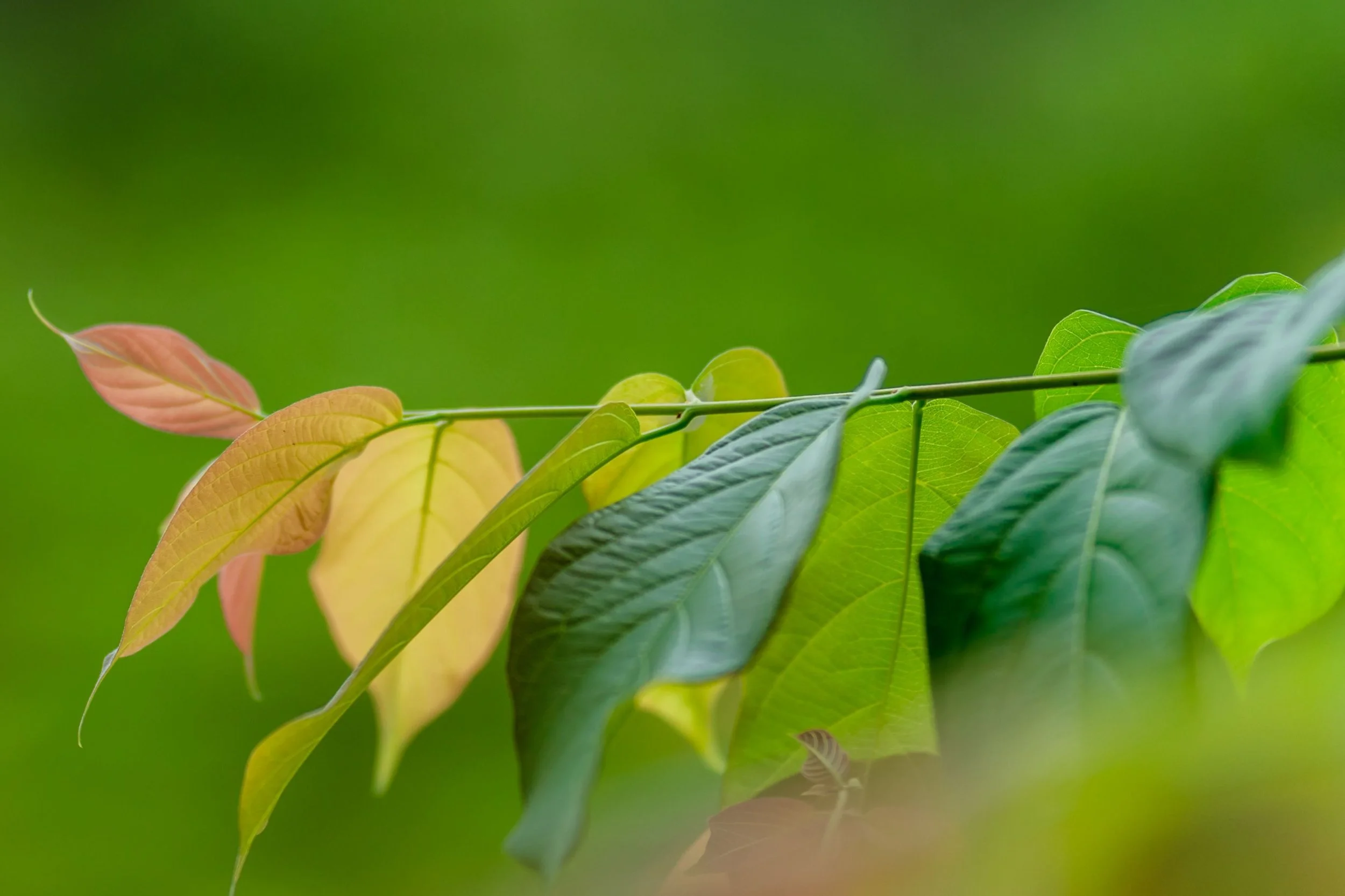
Yellow leaves are the most common distress signal in any Atlanta garden — and the most misread. A gardener in Grant Park sees a tomato plant fading to yellow and reaches for the watering can. A neighbor in Ormewood Park sees the same thing on her hydrangea and reaches for fertilizer. Half the time, both are treating the wrong problem, because not all yellowing is the same. Where the yellow appears, how it spreads, and what pattern it makes on the leaf are three clues that, read together, point to a surprisingly specific plant diagnosis.
Here in Atlanta, Georgia, our growing conditions add a few local twists to the story: compacted red clay that drains poorly in winter and bakes hard in summer, naturally acidic soil, punishing July heat, and humidity that swings from swampy to bone dry during drought spells. Learning to decode yellow leaves against that backdrop is one of the most valuable skills an intown gardener can build — and it's a skill Pixels to Petals teaches every client, whether through one-on-one garden coaching or a full garden consulting session in your own backyard.
Start Your Plant Diagnosis with One Question: Old Leaves or New?
The single most useful question you can ask about a yellowing plant is which leaves turned first.
Yellowing that begins on the oldest, lowest leaves usually points to a mobile nutrient the plant can relocate — most often nitrogen. When nitrogen runs short, the plant strips it from older leaves to feed new growth. The result is a plant that looks green and healthy at the top while its lower leaves fade to a uniform, pale yellow and eventually drop. In Atlanta vegetable beds, this shows up constantly in mid-summer, when heavy rains leach nitrogen out of raised beds faster than gardeners expect.
Yellowing that begins on the newest, youngest leaves points to an immobile nutrient — classically iron. Iron chlorosis produces new leaves that are pale yellow to nearly white, threaded with a fine network of sharply green veins. Azaleas, blueberries, gardenias, and camellias — staples of Atlanta landscapes — are all acid-loving plants that develop iron chlorosis when soil pH creeps too high, often near concrete foundations, walkways, or mortar rubble buried in older intown lots.
If you want to go deeper on reading leaves for hunger signals, nutrient deficiencies deserve their own field guide — and knowing what garden zone Atlanta sits in (Zone 8a) helps you understand how our long, hot season accelerates both growth and nutrient demand.
Uniform Yellow vs. Patterned Yellow Leaves
A leaf that yellows evenly all over, with no pattern, usually signals a whole-plant problem: too much water, too little light, root trouble, or simple old age. Every plant sheds its oldest leaves eventually; one or two yellow leaves at the bottom of an otherwise thriving plant is housekeeping, not disease.
Patterned yellowing is a different conversation:
Yellow tissue with green veins (interveinal chlorosis): almost always nutritional — iron on new leaves, magnesium on old ones.
Yellow halos around brown spots: fungal or bacterial leaf spot, which thrives in Atlanta's humid summers.
Irregular yellow mosaics or streaks that ignore the veins: possible virus, especially if new growth is also distorted. Isolate the plant and don't compost it — see what can and can't go in your compost.
Stippled, dusty yellow flecking: spider mites, which explode during our hot, dry stretches. Check leaf undersides with a hand lens.
The Overwatering Trap in Atlanta's Red Clay
Here is the cruel irony of yellow leaves: the most common cause is overwatering, but the symptom looks exactly like thirst. Waterlogged soil suffocates roots, and suffocated roots can't absorb water or nutrients — so the plant wilts and yellows as if it were drought-stressed. The worried gardener waters more, and the spiral tightens.
Atlanta's heavy clay makes this trap especially easy to fall into. Red clay holds water for days after a summer thunderstorm, and plants sitting in unamended clay beds or low spots effectively grow in a bathtub. Meanwhile, during genuine dry spells, that same clay hardens and sheds water. If you've struggled to find the right rhythm, the practical drought survival guide for intown Atlanta gardeners walks through watering strategies that work with our soil rather than against it.
Break the cycle by checking the soil, not the leaves. Push a finger two inches down. Damp soil plus yellow, limp leaves means overwatering. Yellow leaves that feel dry and crispy, preceded by afternoon wilting, mean true drought stress.
Yellow Leaves by Season: An Atlanta Calendar
Timing is a diagnostic clue all by itself, because Atlanta's seasons each favor a different cause of yellowing.
Spring: cold, wet clay slows root activity, so early transplants yellow from temporary nutrient lockout rather than true deficiency. Patience — and warmer soil — often cures what fertilizer cannot.
Summer: heavy thunderstorms leach nitrogen and waterlog clay beds, so both hunger-yellowing and overwatering-yellowing peak at once. Spider mites join in during dry spells.
Fall: natural senescence begins — deciduous plants and spent vegetables yellow on schedule. Don't diagnose disease in a plant that's simply finishing its season.
Winter: indoors, low light and cool drafts yellow houseplant leaves; outdoors, evergreens shed a portion of interior foliage, which alarms new gardeners but is perfectly normal.
A Quick Yellow-Leaf Diagnostic Checklist
Lower leaves, uniform yellow, plant otherwise growing: nitrogen deficiency or natural aging.
Lower leaves, green veins with yellow between: magnesium deficiency — common in sandy amended beds.
New leaves, pale with sharp green veins: iron deficiency, often a pH problem near concrete.
Yellow all over, soil constantly wet: overwatering and possible root rot in clay soil.
Yellow with brown-spotted halos: leaf spot disease — improve airflow and remove affected leaves.
Stippled yellow with fine webbing: spider mites during hot, dry Atlanta weather.
Diagnosing before treating matters, because the remedies contradict each other. Fertilizing an overwatered plant burns already-damaged roots; watering a hungry plant just dilutes what little nitrogen remains.
When to Bring in an Atlanta Garden Consultant
Some yellow-leaf mysteries resolve with a finger in the soil. Others — a bed that yellows every summer no matter what, a prized Japanese maple fading for no obvious reason — call for a trained eye that knows Atlanta's soils, microclimates, and disease pressures firsthand. That's exactly the gap an Atlanta garden consultant fills: on-site plant diagnosis, a clear explanation of what your leaves are telling you, and a plan you can actually follow.
Pixels to Petals was founded on a simple idea: after 30 years in digital marketing, its founder traded screen time for green time — and now helps intown Atlanta residents make the same trade. Less scrolling, more soil. You can read the whole story on the about page, but the short version is that gardening turned out to be the antidote to burnout, and Pixels to Petals exists to share that antidote with neighbors across Grant Park, Summerhill, Ormewood Park, and the rest of intown Atlanta.
The services meet you wherever you are. Garden consulting brings expert plant diagnosis and problem-solving to your yard. Garden coaching teaches you to read your own leaves, season by season, so yellow foliage becomes information instead of anxiety. And garden design builds you a kitchen garden that works with Atlanta's clay, climate, and Zone 8a calendar from day one — because the easiest yellow leaf to fix is the one you prevent. If you're just getting started, download the free Atlanta Kitchen Garden Starter Guide for a head start.
A healthy garden also feeds more than you: the right mix of herbs and flowering plants brings bees, butterflies, and birds back to your yard, turning one Atlanta backyard into part of a healthier local ecosystem. Browse the full resources library and the curated list of gardening resources in Atlanta — from soil testing through UGA Extension to local farmers markets and garden supply shops — to keep learning.
Ready to stop guessing what your yellow leaves mean? Book a 60-minute Garden Consultation with Pixels to Petals, or reach out through the contact page. Fifteen minutes of conversation can save a whole season of trial and error — and get your Atlanta garden speaking a language you finally understand.