

Resources
Hydroponics 101: Growing Food Indoors Without a Yard
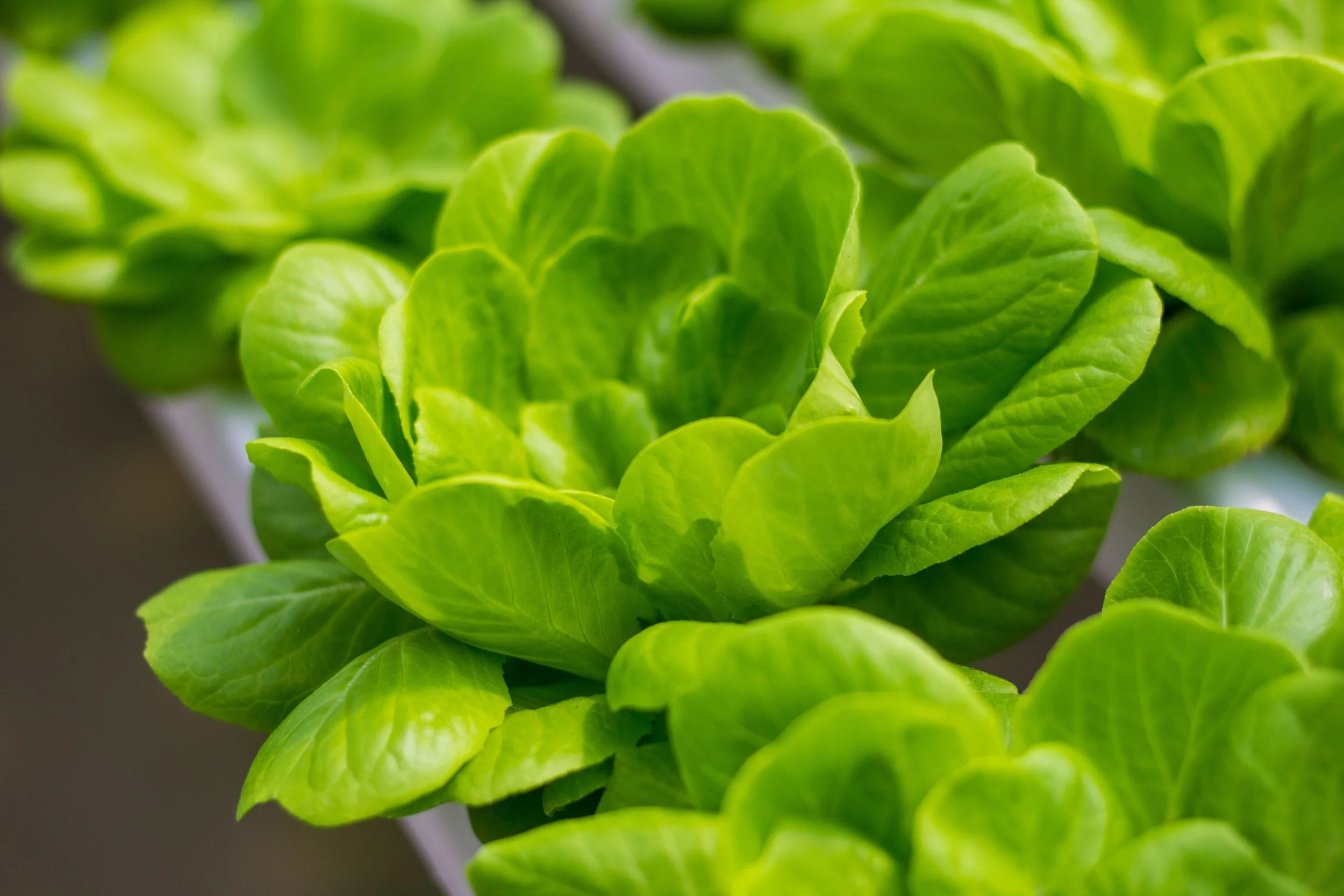
Across Atlanta, more and more people are discovering that they can grow crisp lettuce, fragrant basil, and even ripe tomatoes on a kitchen counter, a spare shelf, or a sunny windowsill—no soil and no backyard needed.
What to Plant in Atlanta in May: A Week-by-Week Guide for Zone 8a
Atlanta sits in USDA Hardiness Zone 8a, with an average last spring frost around mid-April and a first fall frost in early November. That gives us roughly seven months of growing time, but May is the linchpin. The decisions you make this month set up your summer harvests, your fall garden, and the overall productivity of your kitchen garden for the rest of the year.
Gardening Through Atlanta's Drought: A Practical Survival Guide for the Intown Gardener
As of April 2026, Georgia is enduring its worst drought in nearly 20 years, with roughly 97% of the state under drought conditions and extreme drought gripping Metro Atlanta itself. For Atlanta gardeners, this means rethinking nearly everything about how we water, plant, and care for our beds.
Dig In, Atlanta: The Victory Garden Legacy Behind Today's Kitchen Garden Movement
The concept of home food production as civic duty first emerged during World War I. In 1917, the National War Garden Commission encouraged Americans to cultivate private and public land, generating over five million gardens and more than a billion dollars in food production by the war's end. These "war gardens" laid the groundwork for an even larger movement.
Spring Garden Success in Georgia Starts Now—Here's Your Step-by-Step Guide
Prepare your soil first. Add a fresh layer of compost to your raised beds or garden plot before planting anything. Compost amends the soil and creates a healthy foundation, and you'll notice an immediate difference in color and texture.
What Is a Kitchen Garden?
Because a kitchen garden sits so close to your home, it's often designed to be as beautiful as it is productive — think raised beds, trellises, and seasonal plantings that look great year-round. It's less about becoming a farmer and more about weaving fresh, homegrown ingredients into your daily life.
What to Plant in March in Atlanta
Direct-sow beets, radishes, mustard, and turnips into your beds this month. Keep harvesting outer leaves from any lettuce, spinach, or collards you planted earlier to encourage continued production. Cilantro, dill, and parsley can go straight into the ground as soon as soil is workable and will be harvest-ready in about 45 days.
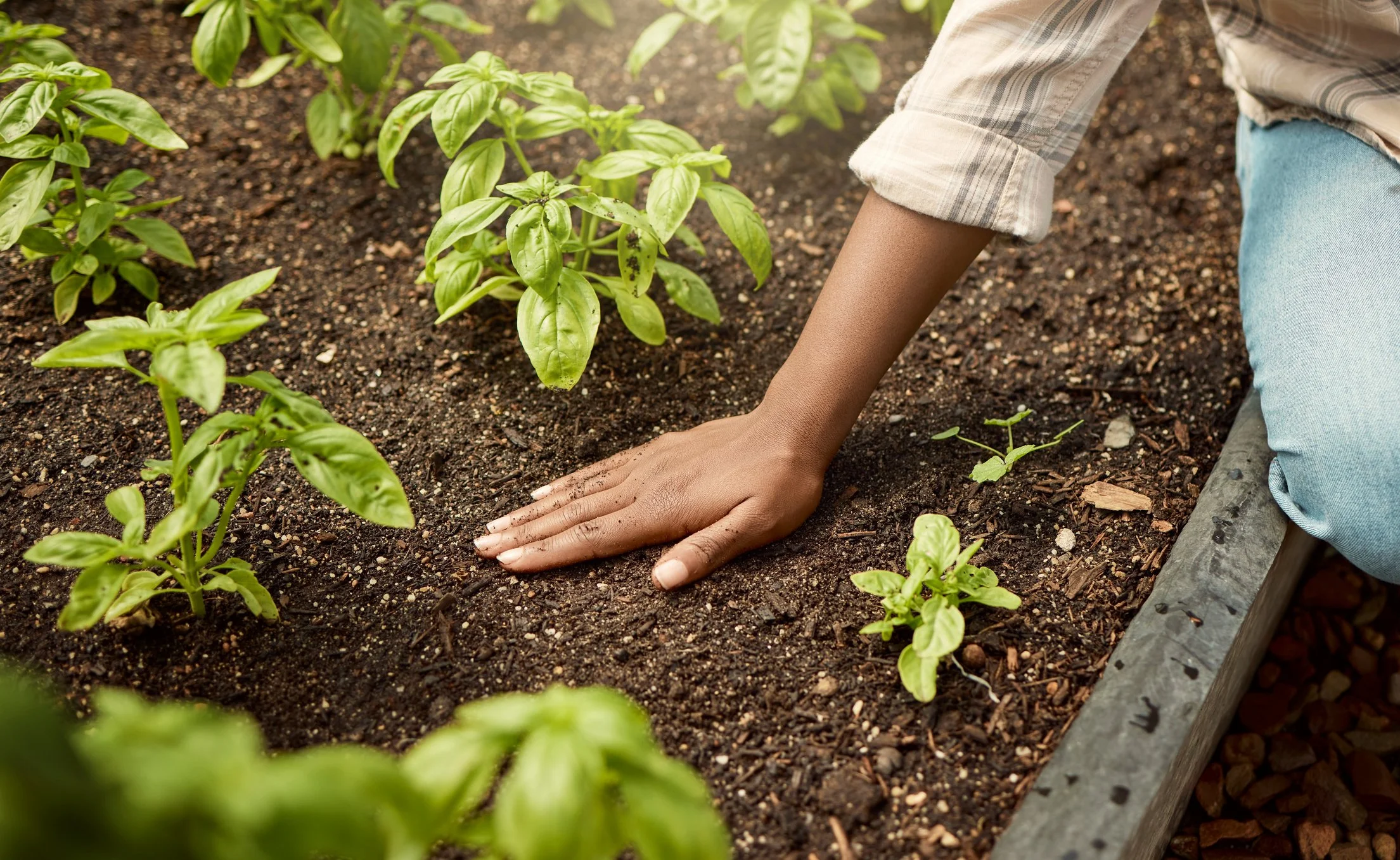
When Is It Safe to Transplant or Plant Outdoors in Atlanta?
In Atlanta (USDA Zone 8a), the average last frost date falls between April 1 and April 15. A widely trusted rule of thumb among local gardeners is to wait until Tax Day — April 15 — before transplanting frost-tender crops like tomatoes, peppers, and basil outdoors.
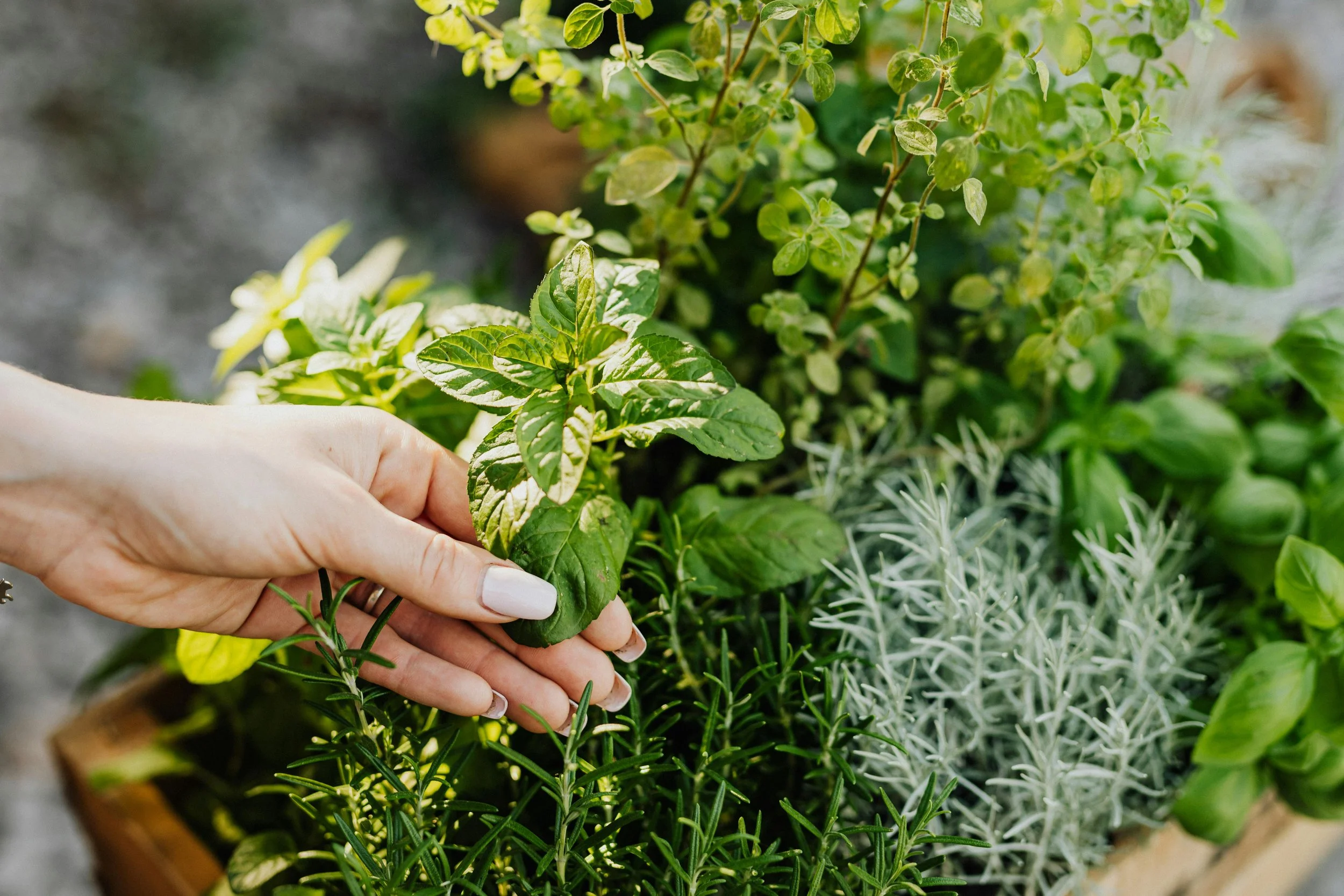
Which medicinal herbs grow well in Atlanta for first-time growers?
Several medicinal herbs are well-suited for first-time gardeners in Atlanta, and you may be surprised how forgiving and rewarding they can be once you understand a few key local growing conditions — starting with the soil beneath your feet.
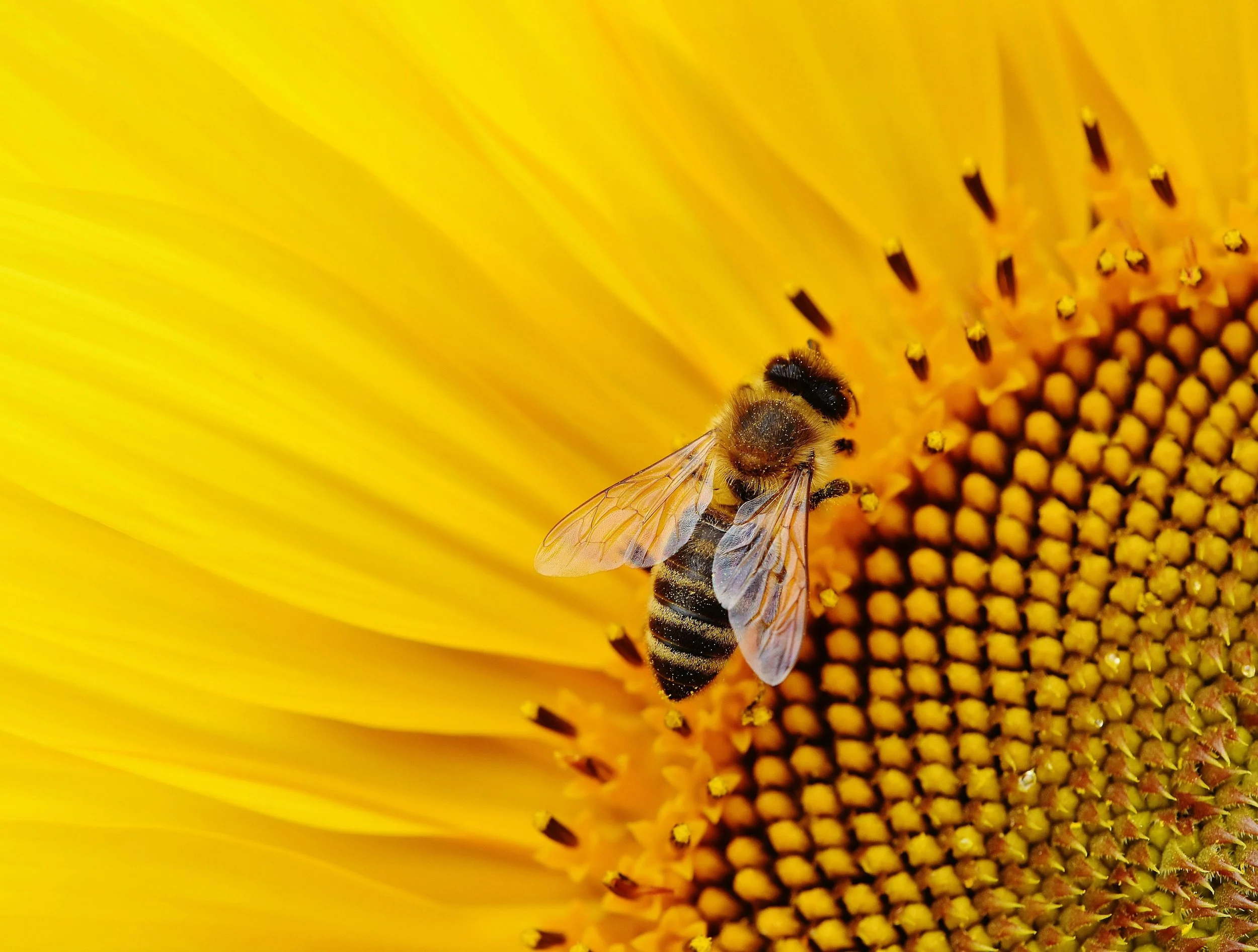
What Herbs Attract Bees in Atlanta?
Few garden investments pay off faster than planting the right herbs — bees find them quickly, visit repeatedly, and reward Atlanta kitchen gardeners with better harvests of tomatoes, peppers, squash, and fruit.
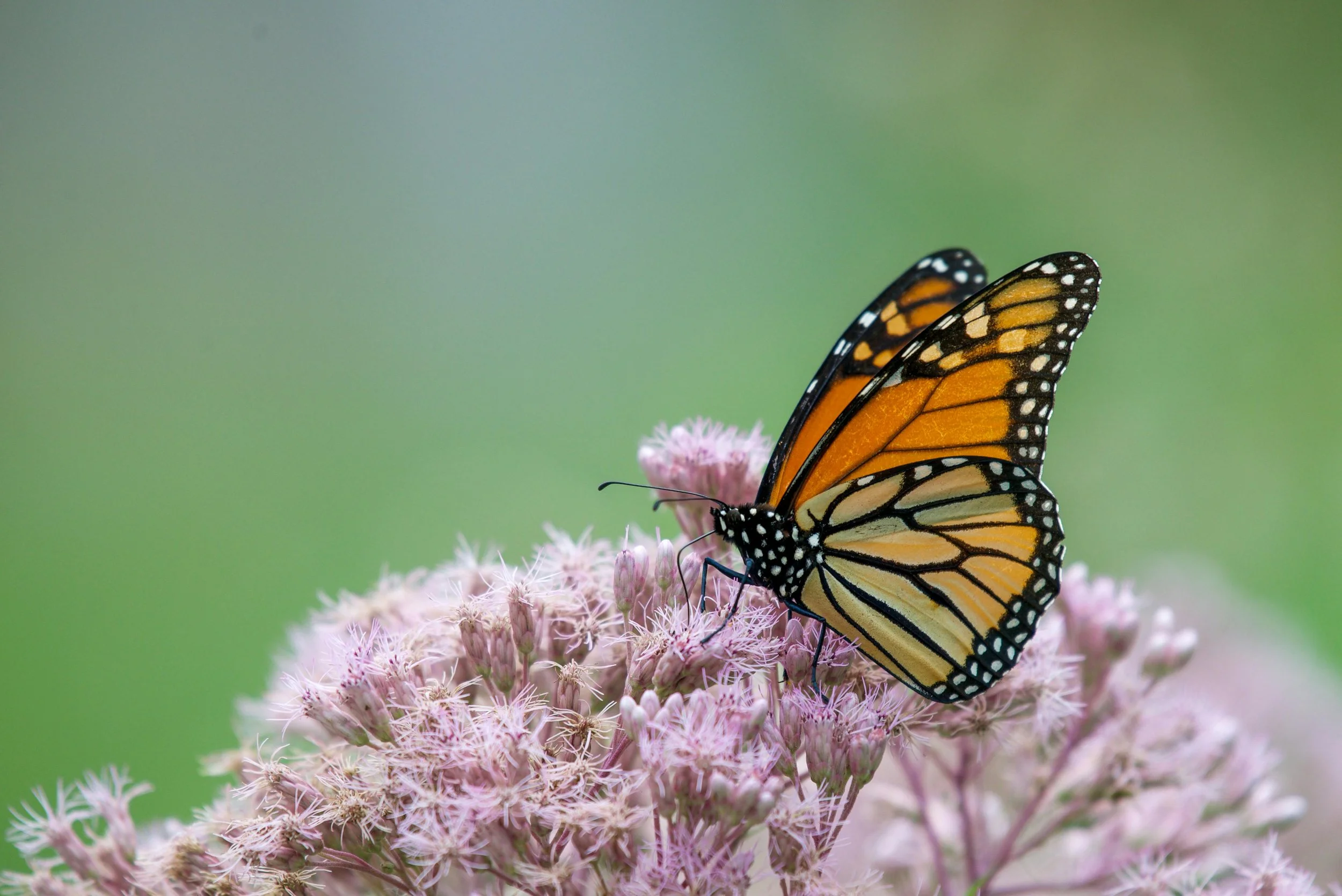
Herbs That Attract Pollinators and Beneficial Insects in Atlanta
Strong performers for Atlanta gardens include catmint, fennel, dill, and cilantro allowed to flower — all of which attract parasitic wasps and hover flies that prey on common garden pests. Leaving a patch of flowering herbs to bolt rather than harvesting everything is one of the simplest strategies for building a beneficial insect ecosystem.
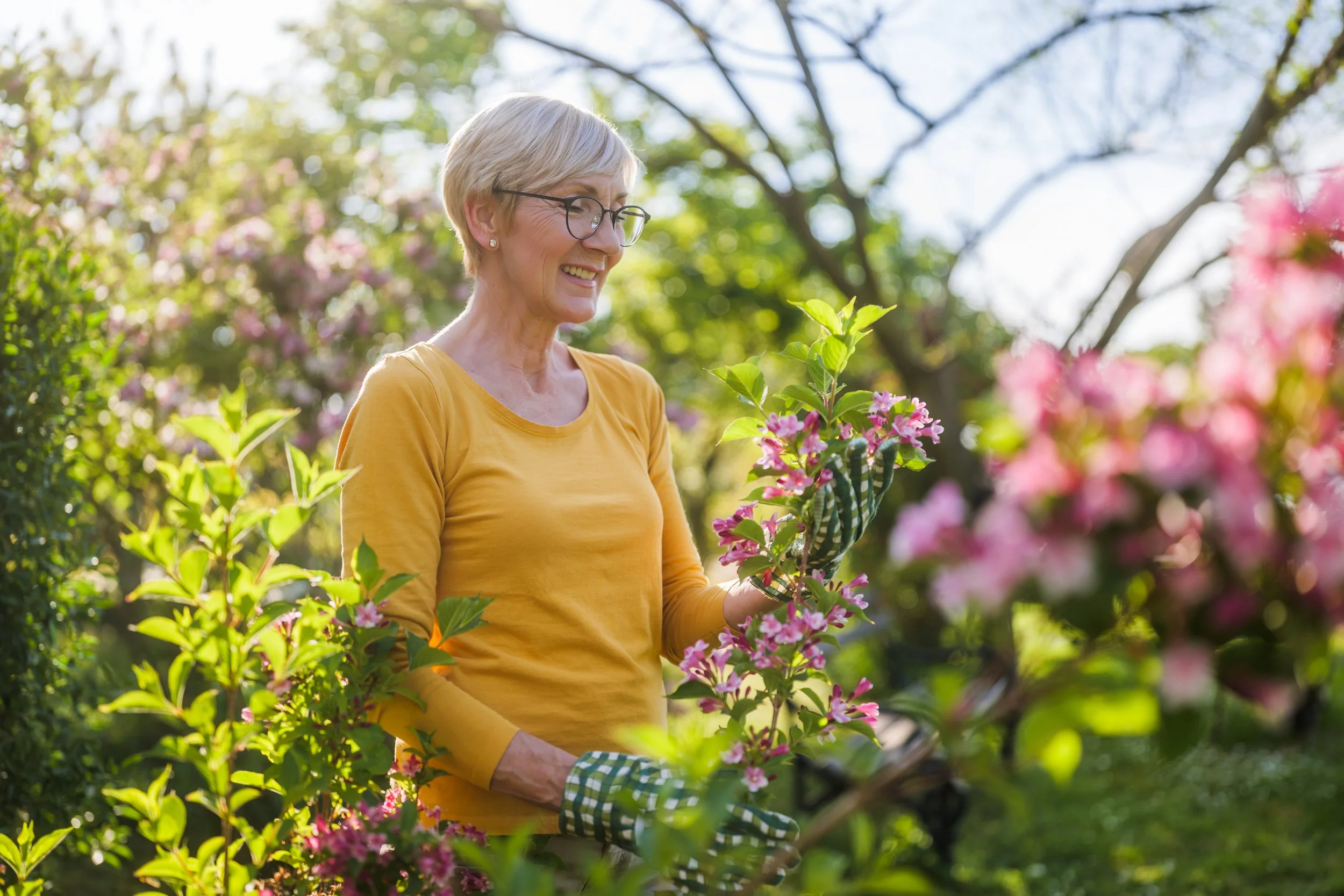
What is an Atlanta Garden Consultant?
Whether you're a complete beginner overwhelmed by gardening advice online or an intermediate gardener wanting to expand your space, a garden consultant provides the local knowledge and hands-on mentorship to help you succeed—without wasting time or money on trial and error.
What Can and Can't I Compost?
For Atlanta gardeners, finished compost is especially valuable worked into beds as an amendment, not used straight as a growing medium, which can spike pH and nutrient levels too high for vegetables.
What Gardening Zone is Georgia?
Georgia spans USDA Hardiness Zones 6b through 9a—from the North Georgia mountains (zones 6b-7a) through Atlanta's Piedmont region (zones 8a-8b) to the coastal areas (zones 8b-9a). However, hardiness zones only tell you one thing: the coldest winter temperature. They don't help you plan what to grow throughout the year.
Garden Services Near Me – Atlanta Garden Consulting & Coaching
Unlike traditional landscaping services, garden consulting focuses on education and empowerment. Atlanta garden consultants provide services including garden design, one-on-one coaching sessions, seasonal planting plans, and ongoing support tailored to our zone 8a/8b growing conditions.
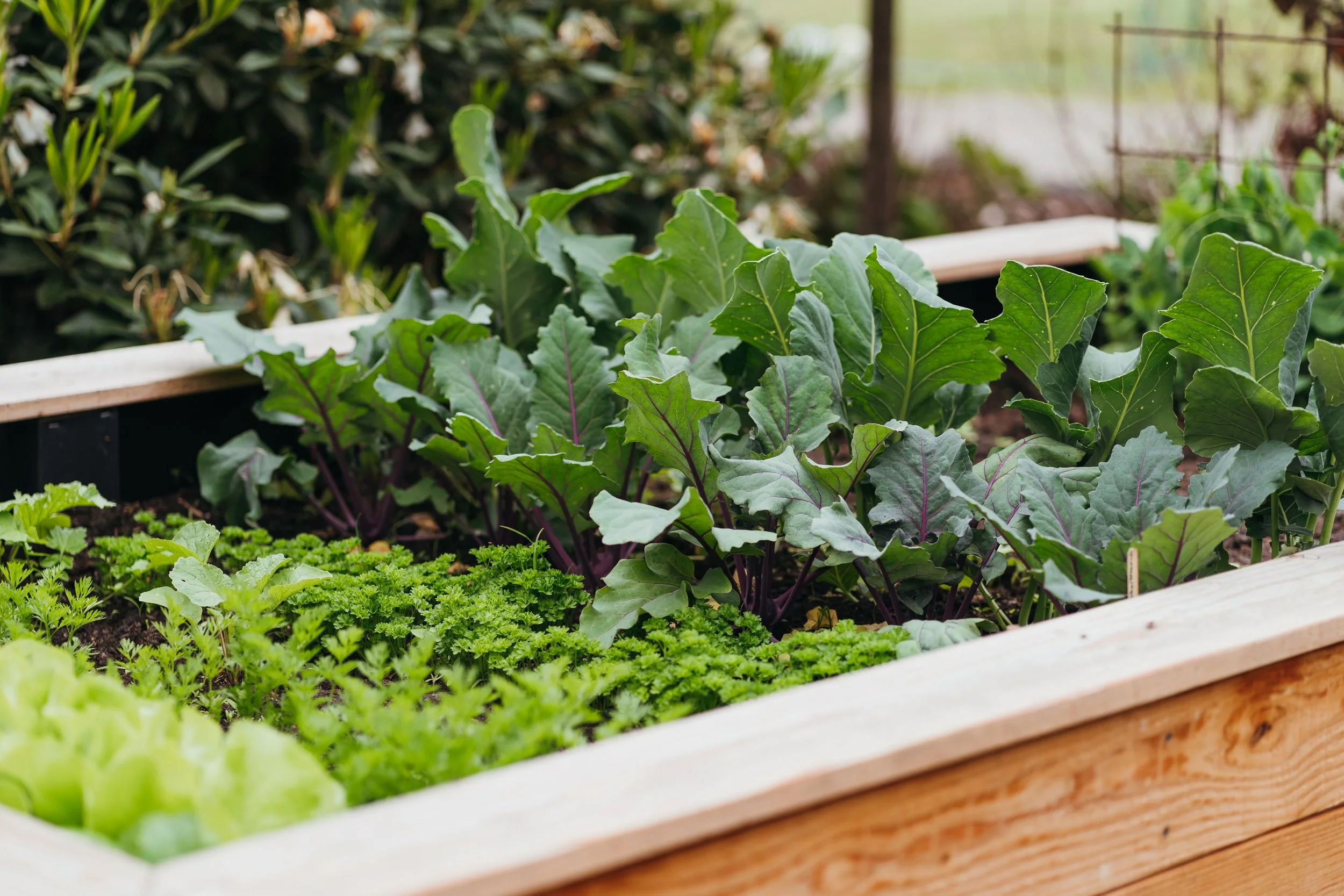
What Garden Zone is Atlanta?
While hardiness zones help you choose perennials, shrubs, and trees that can survive Atlanta winters, they only tell part of the story. These zones don't account for Atlanta's humid summers, red clay soil, unpredictable late spring frosts (typically ending in late March to early April), or summer heat that can stress certain plants.
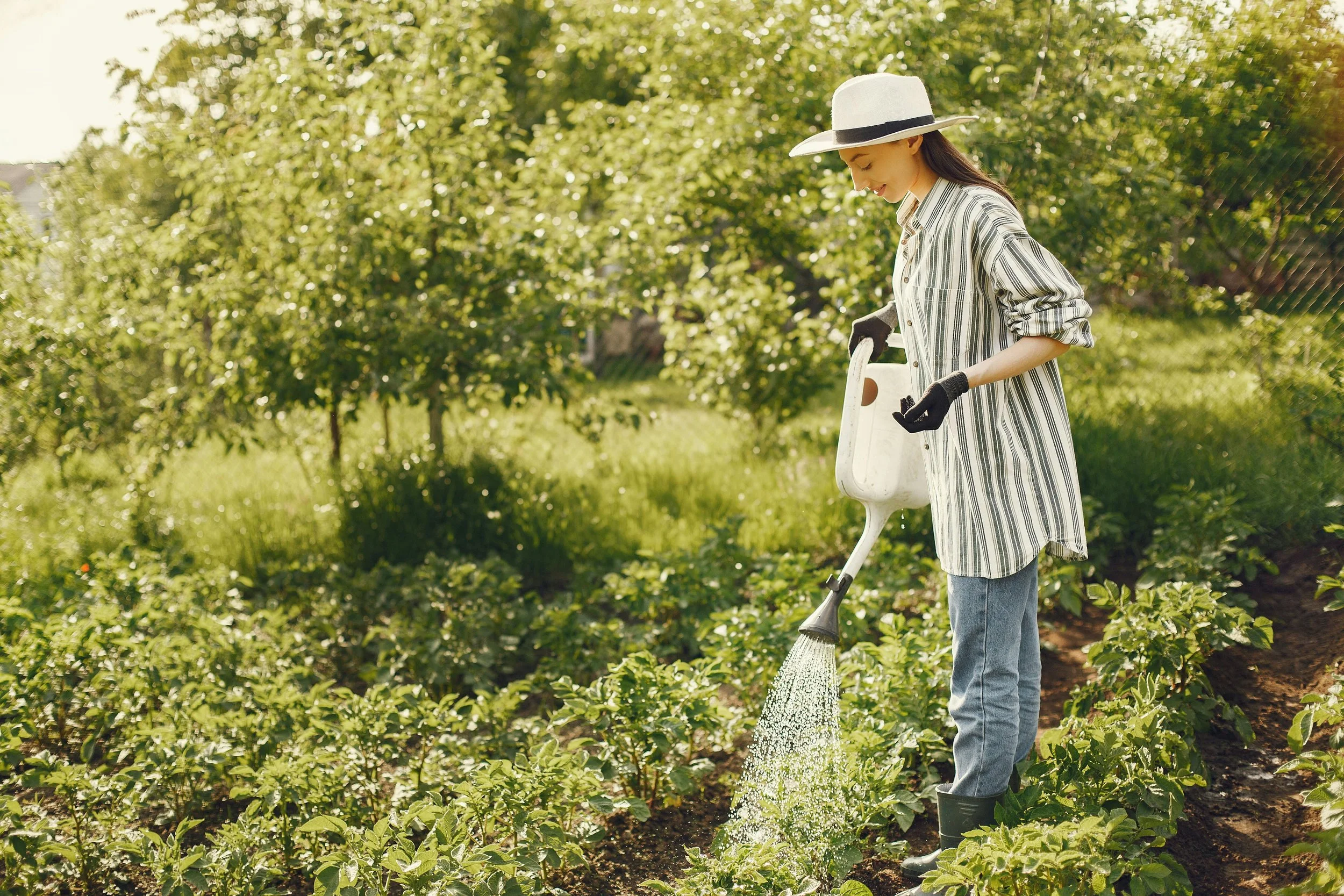
5 Steps to Starting a Vegetable Garden
Start with Leaves, Then Roots, Then Fruit – Begin with easy herbs like basil and oregano, plus lettuces and arugula. These require less space, sun, and time than other crops. Once you've mastered herbs and leafy greens, progress to root vegetables like radishes and carrots, then graduate to fruiting plants like tomatoes and peppers.
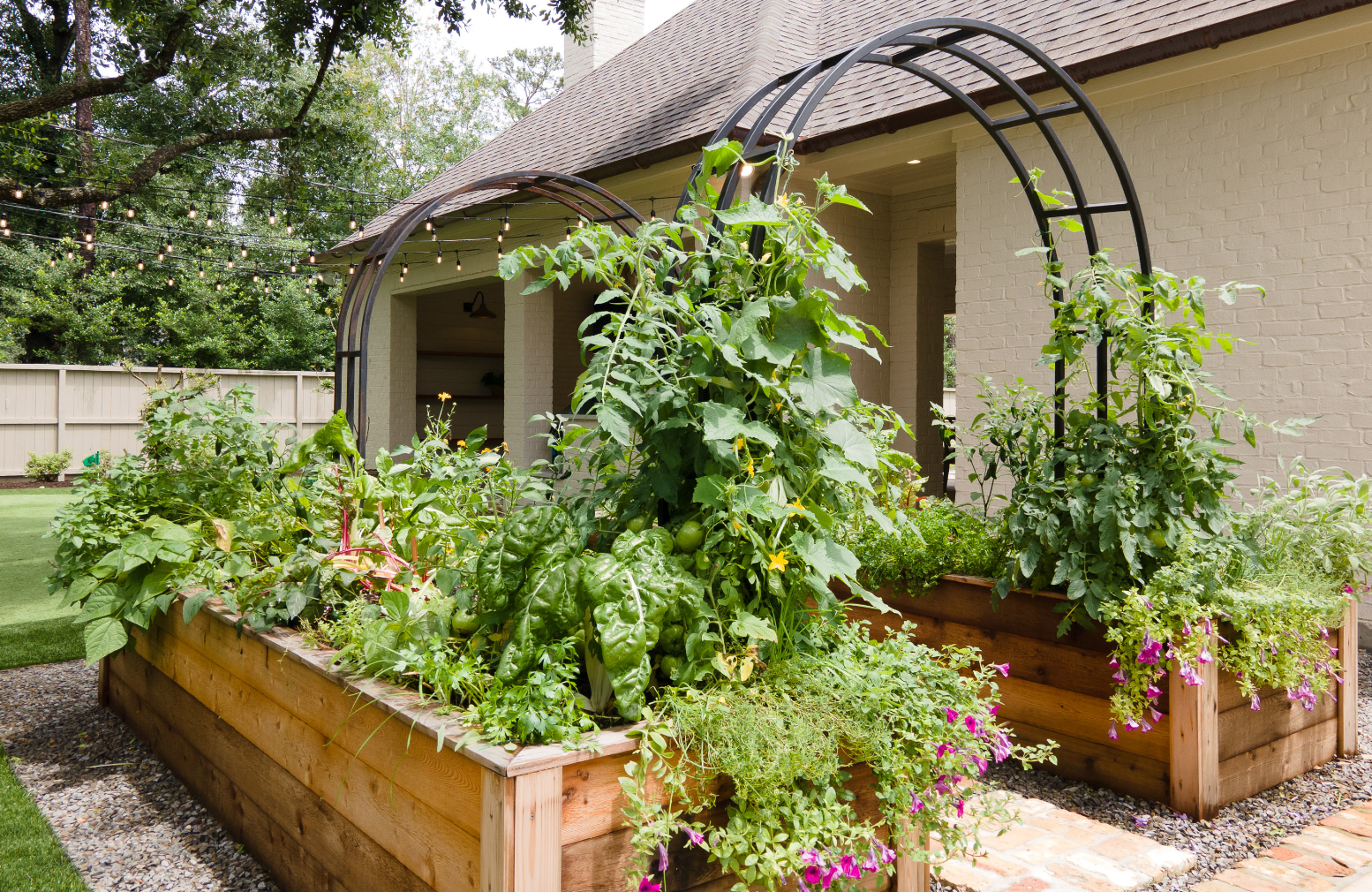
How to Start a Vegetable Garden
Starting a vegetable garden in Atlanta begins with three essential steps: location, raised beds, and the right plants. Choose a spot receiving at least 6 hours of direct sunlight daily—preferably on the south side of structures to maximize winter sun.