

Resources

Brown Tips and Crispy Edges: The Anatomy of a Stressed Leaf
Trimming brown tips treats the symptom. The leaf has already told you something about water, salts, heat, or nutrition — the real work is answering it. Here's how to read what your plant is saying before the damage spreads.
Decoding Yellow Leaves: What Your Plant Is Really Telling You
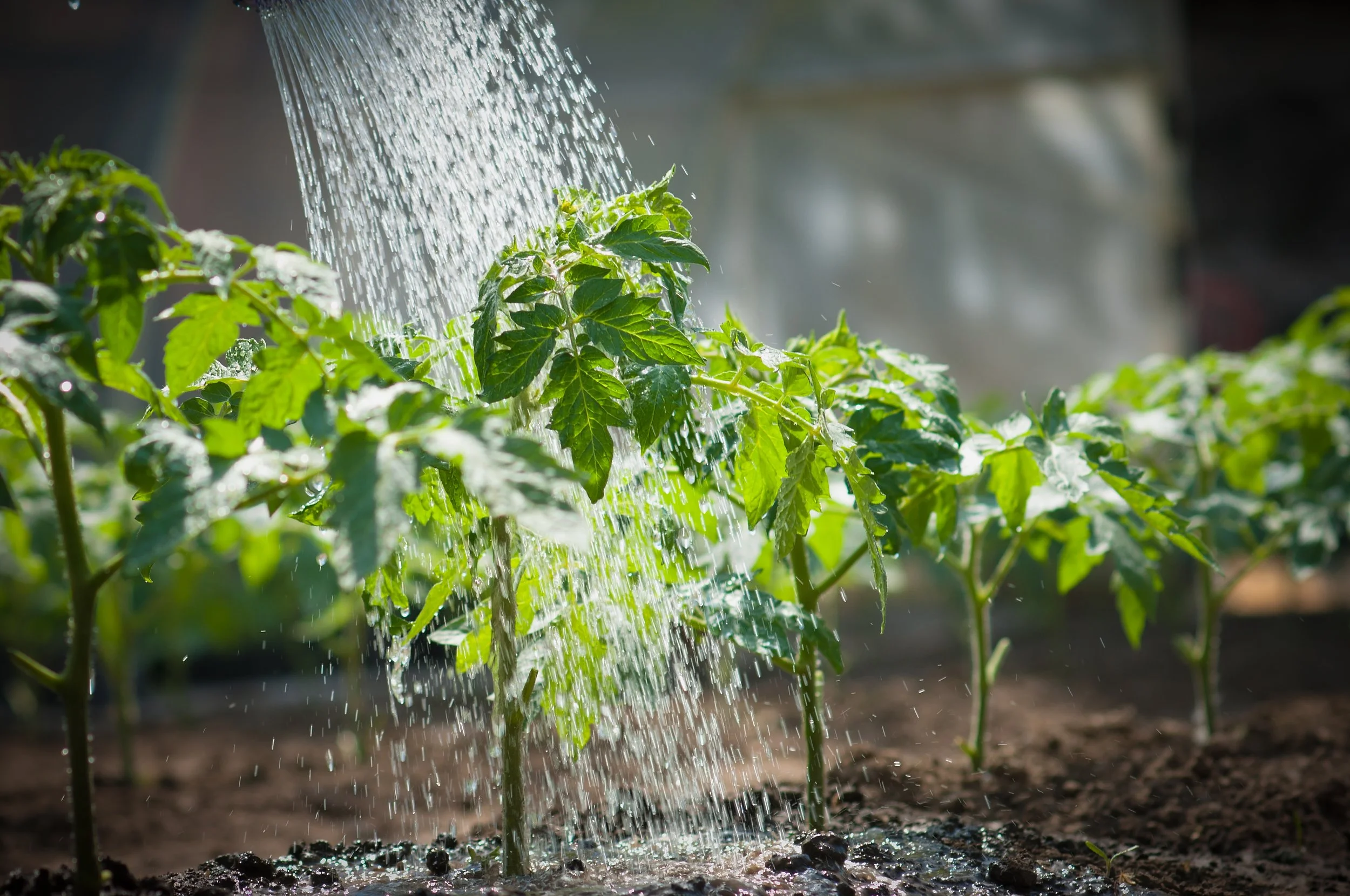
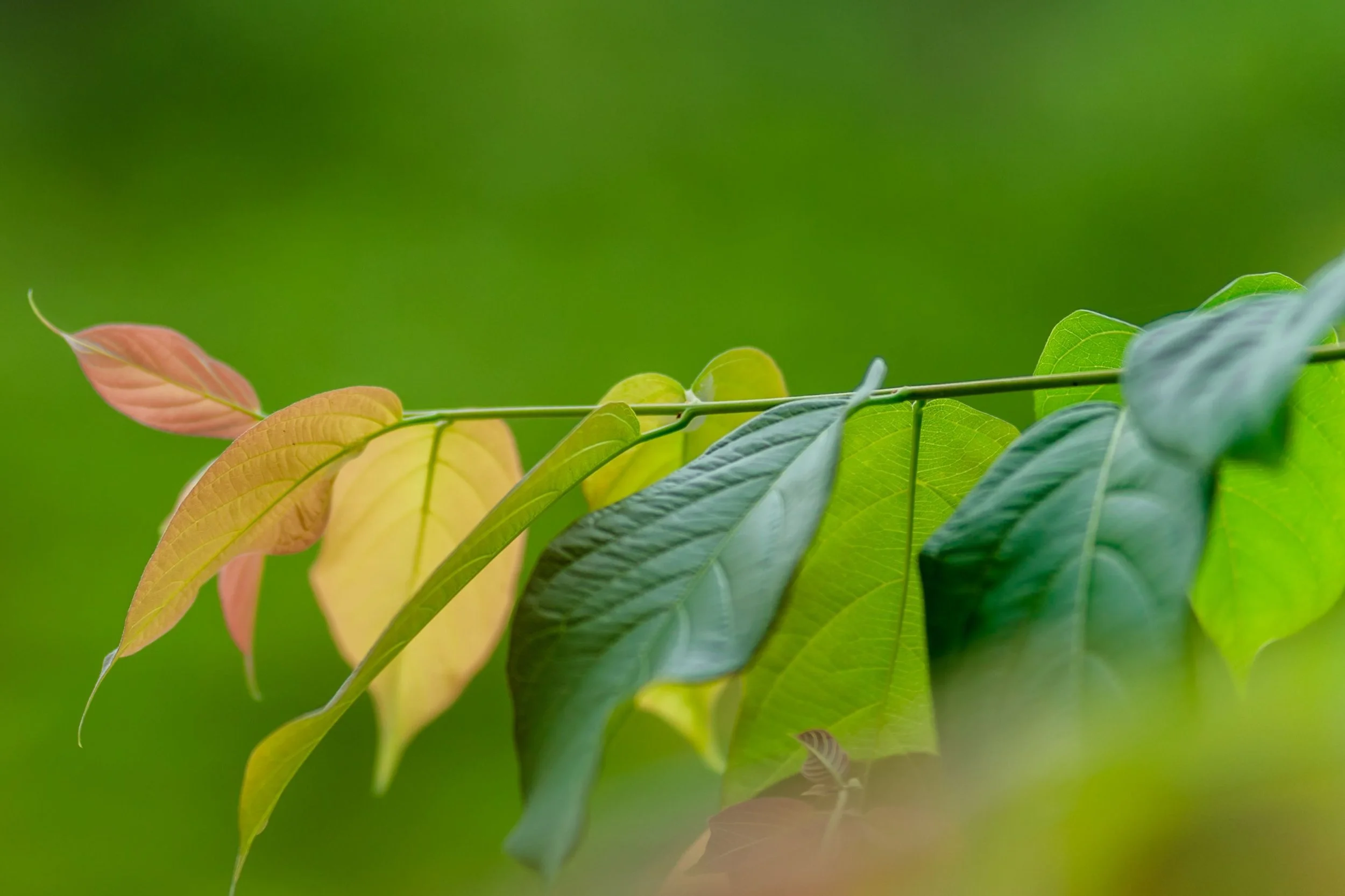
A gardener in Grant Park sees a tomato plant fading to yellow and reaches for the watering can. A neighbor in Ormewood Park sees the same thing on her hydrangea and reaches for fertilizer. Half the time, both are treating the wrong problem — because not all yellowing is the same.
No Yard? No Problem: The Luxury Apartment Dweller's Guide to Growing Real Food
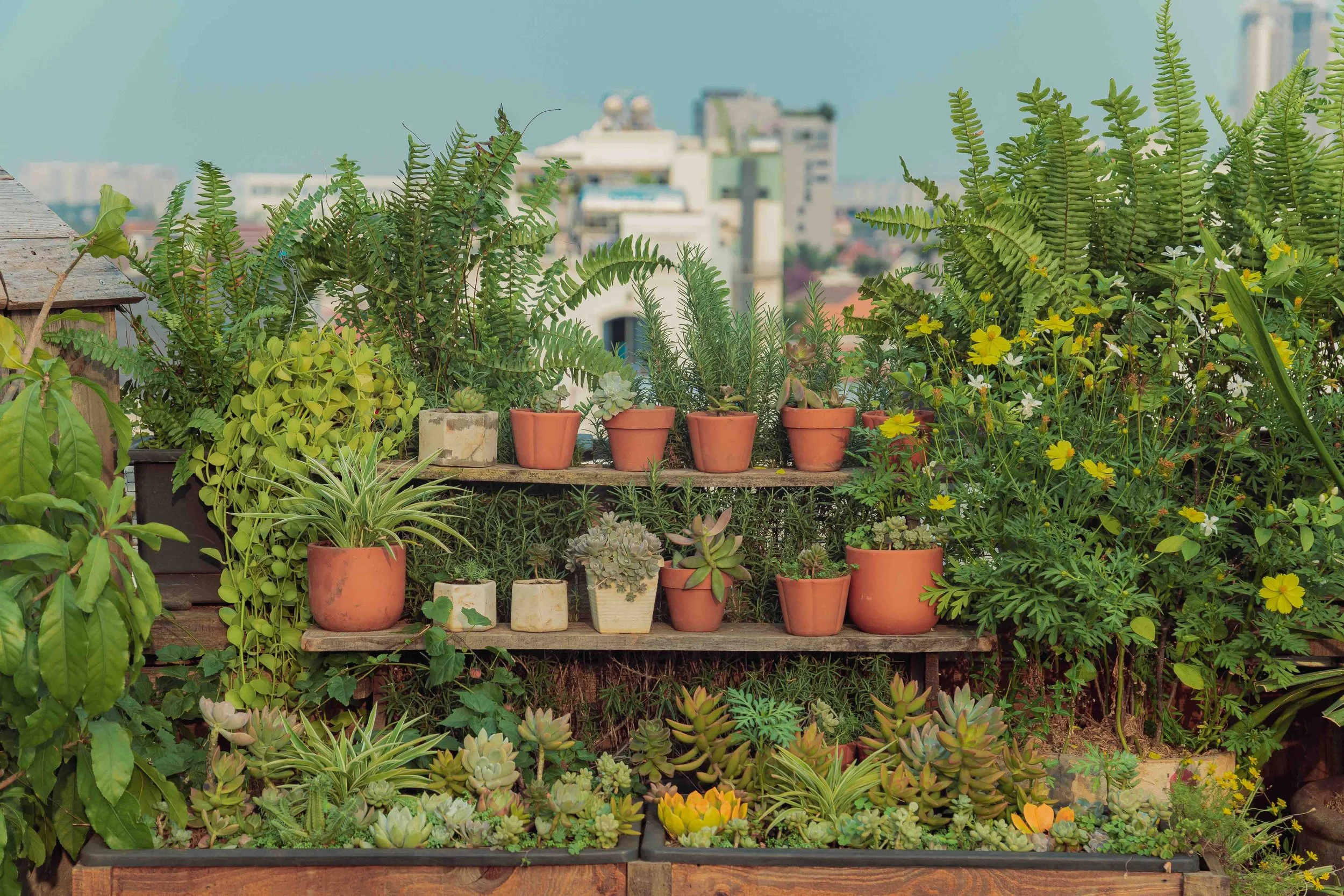
Container gardening means you choose your soil — a premium potting mix, blended for drainage and root health, fresh out of the bag. You choose your sun exposure by moving pots. You garden standing up, or from a chair, without kneeling in mud. And because your plants live above street level, many of the pests and diseases that plague in-ground gardens simply never find them.
Your apartment isn't a limitation. It's a controlled environment. Chefs would call that an advantage.
Small Space, Serious Style: Designing a Balcony Garden Worthy of Your Condo's View
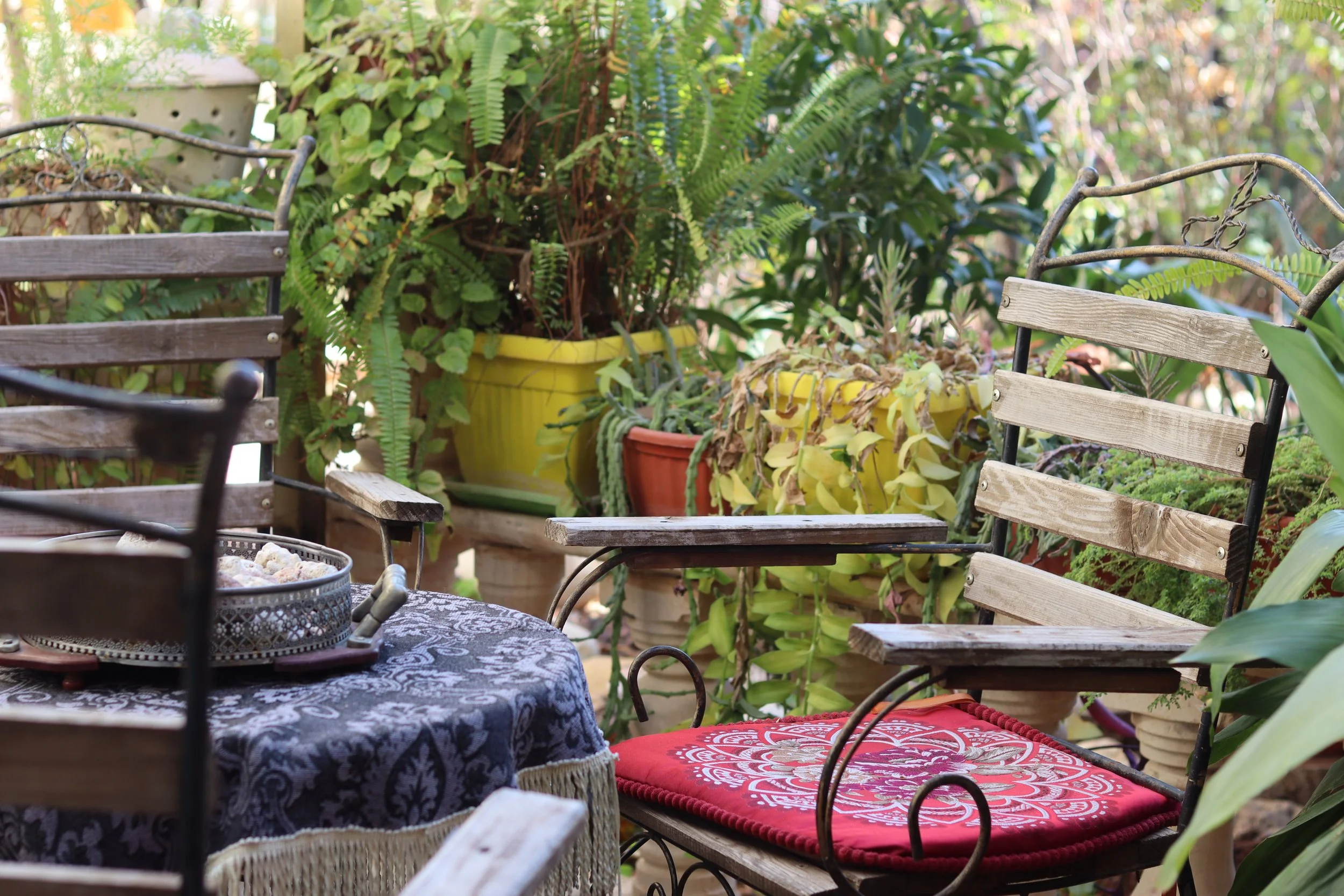
Here's the truth most Intown Atlanta condo dwellers never hear: your balcony can be a garden. Not a compromise, not a consolation prize for the backyard you don't have — a genuinely productive, genuinely beautiful growing space that delivers fresh basil for tonight's pasta, chamomile for your evening tea, and a pocket of green calm above the city noise.
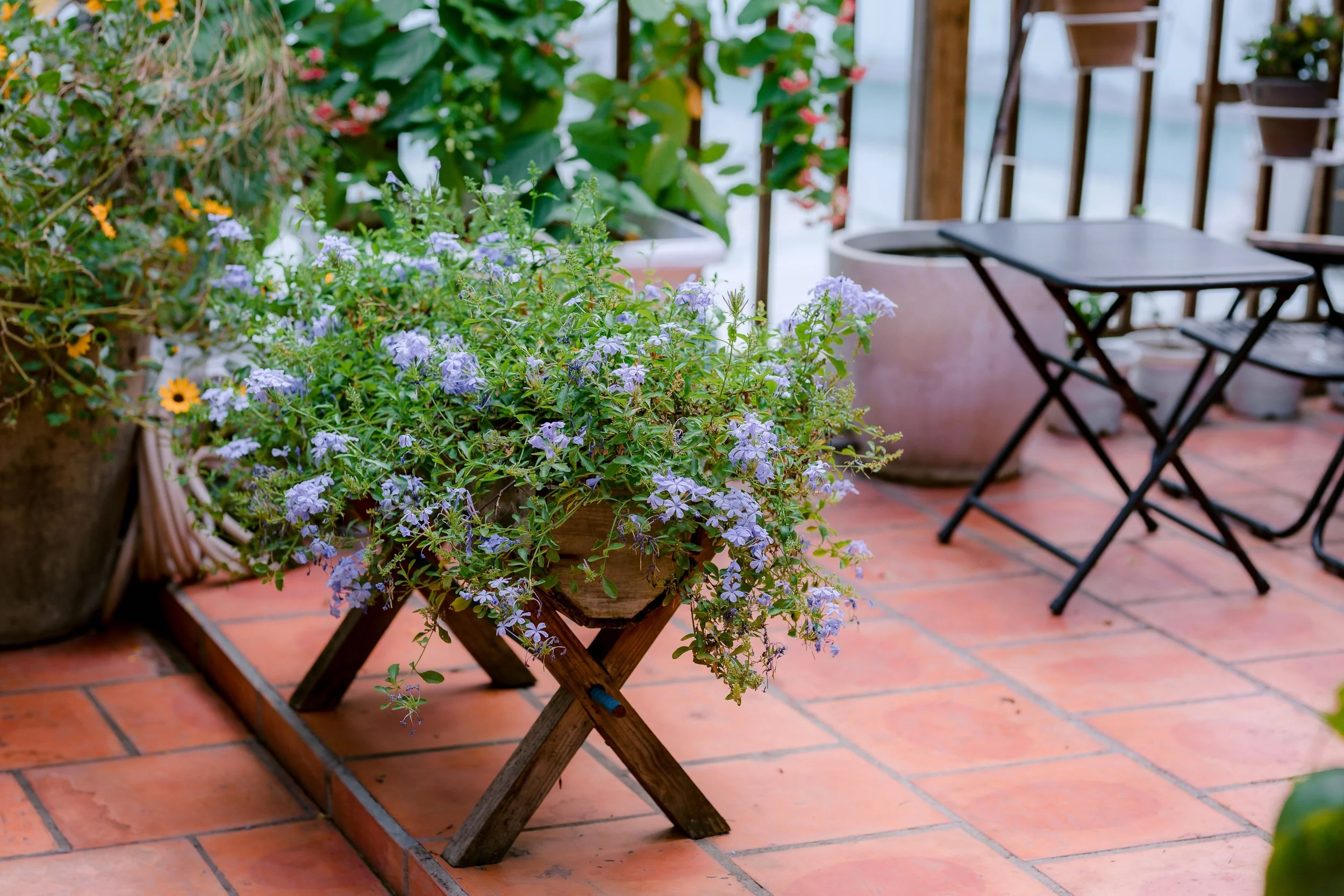
The Balcony Apothecary: Medicinal Herbs You Can Grow in Pots (Yes, Even on the 20th Floor)
Then there's mint. UGA Extension calls mint the most invasive of all the herbs, one that must be aggressively checked in any garden bed. Twenty stories up, in its own glazed pot? Perfectly behaved. The plant that terrorizes ground-level gardeners becomes a model citizen on your balcony.
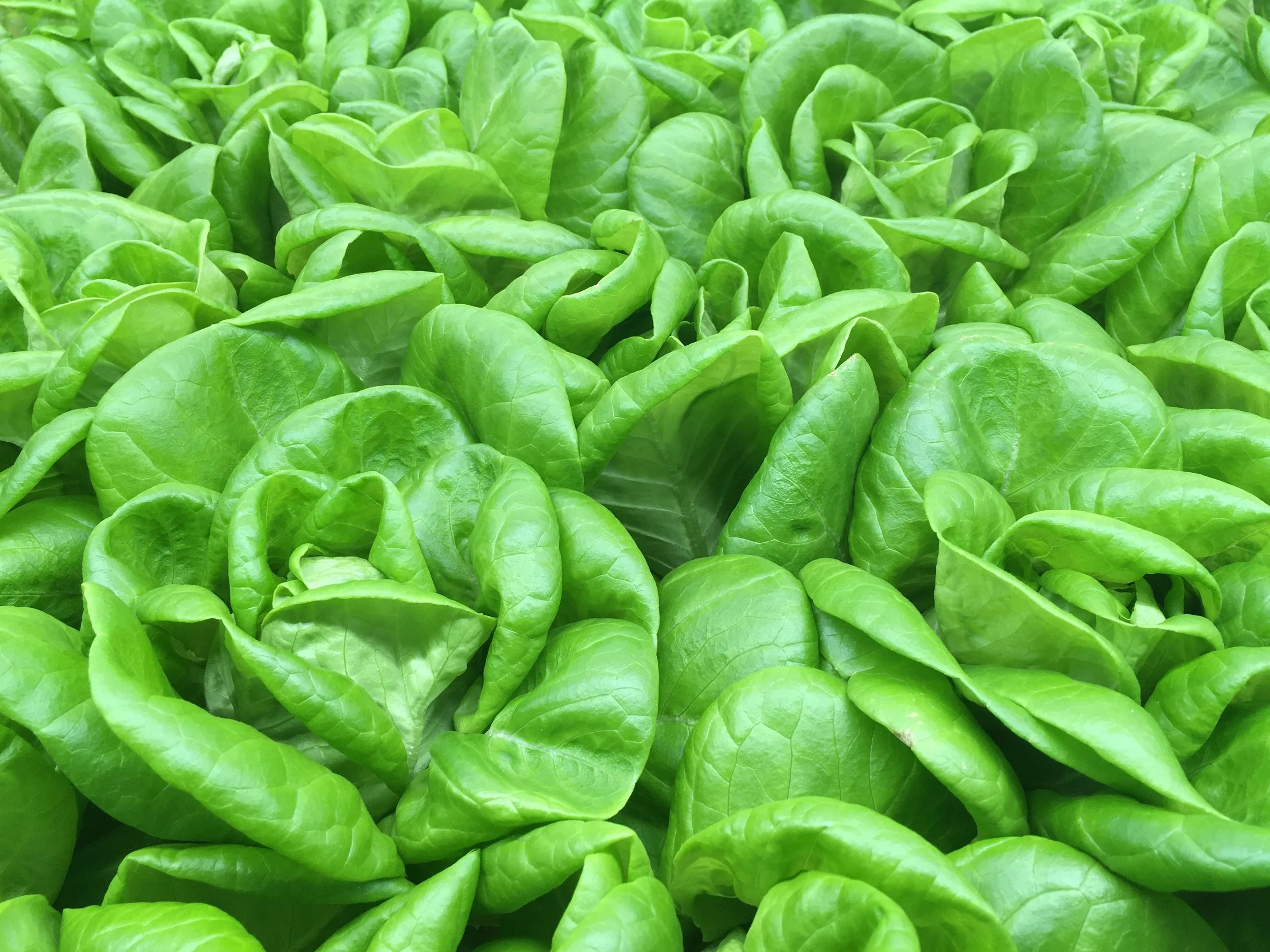
The Kratky Method: Passive Hydroponics With Zero Pumps
Imagine growing a head of lettuce, a fistful of basil, or a row of leafy greens on your kitchen counter using nothing but a jar of water, a few nutrients, and a sunny window."
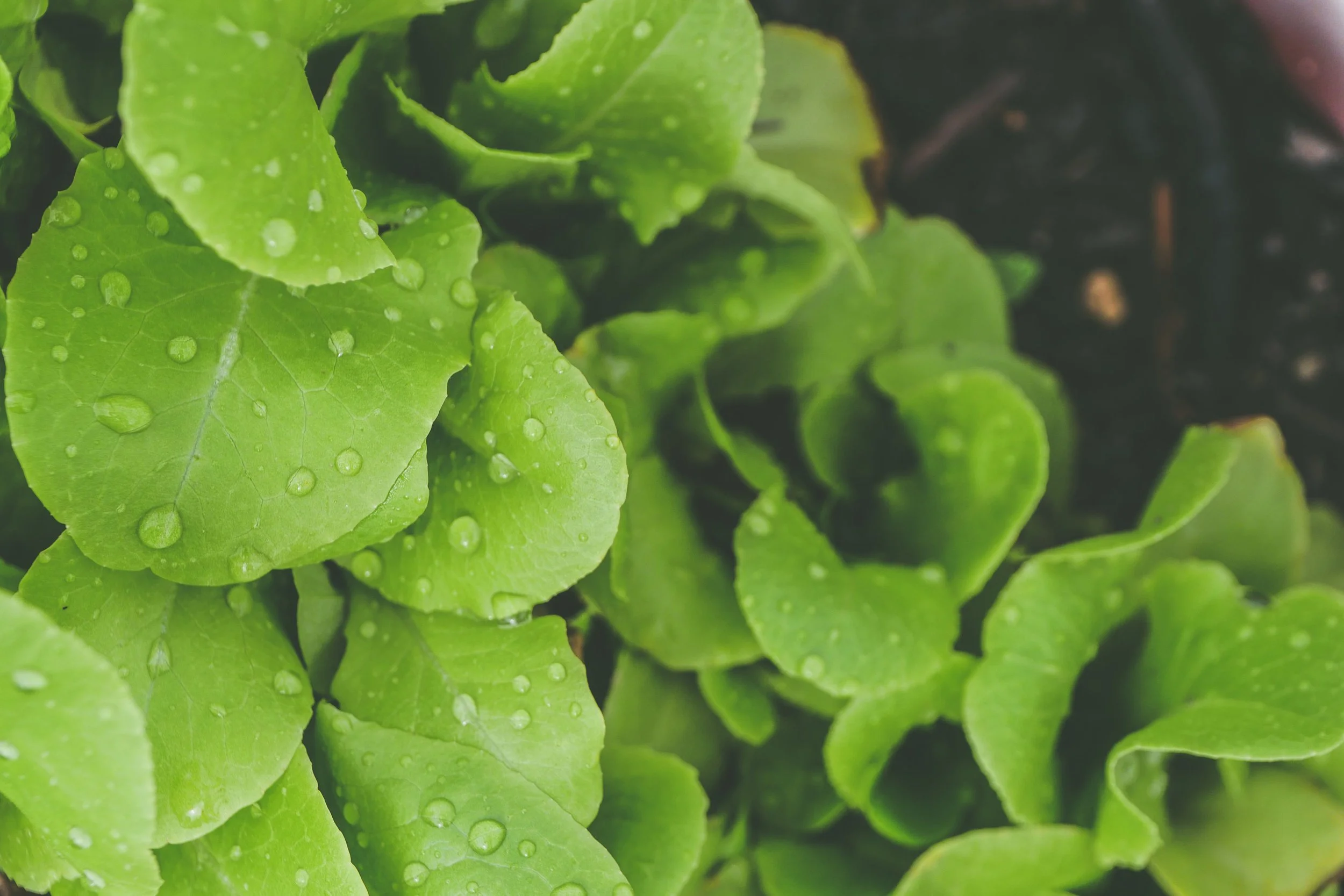
The 6 Main Types of Hydroponic Systems Explained
Hydroponics is, at its core, beautifully simple: it's the practice of growing plants in an inert medium, or no medium at all, where growth is made possible by highly aerated, nutrient-charged water.
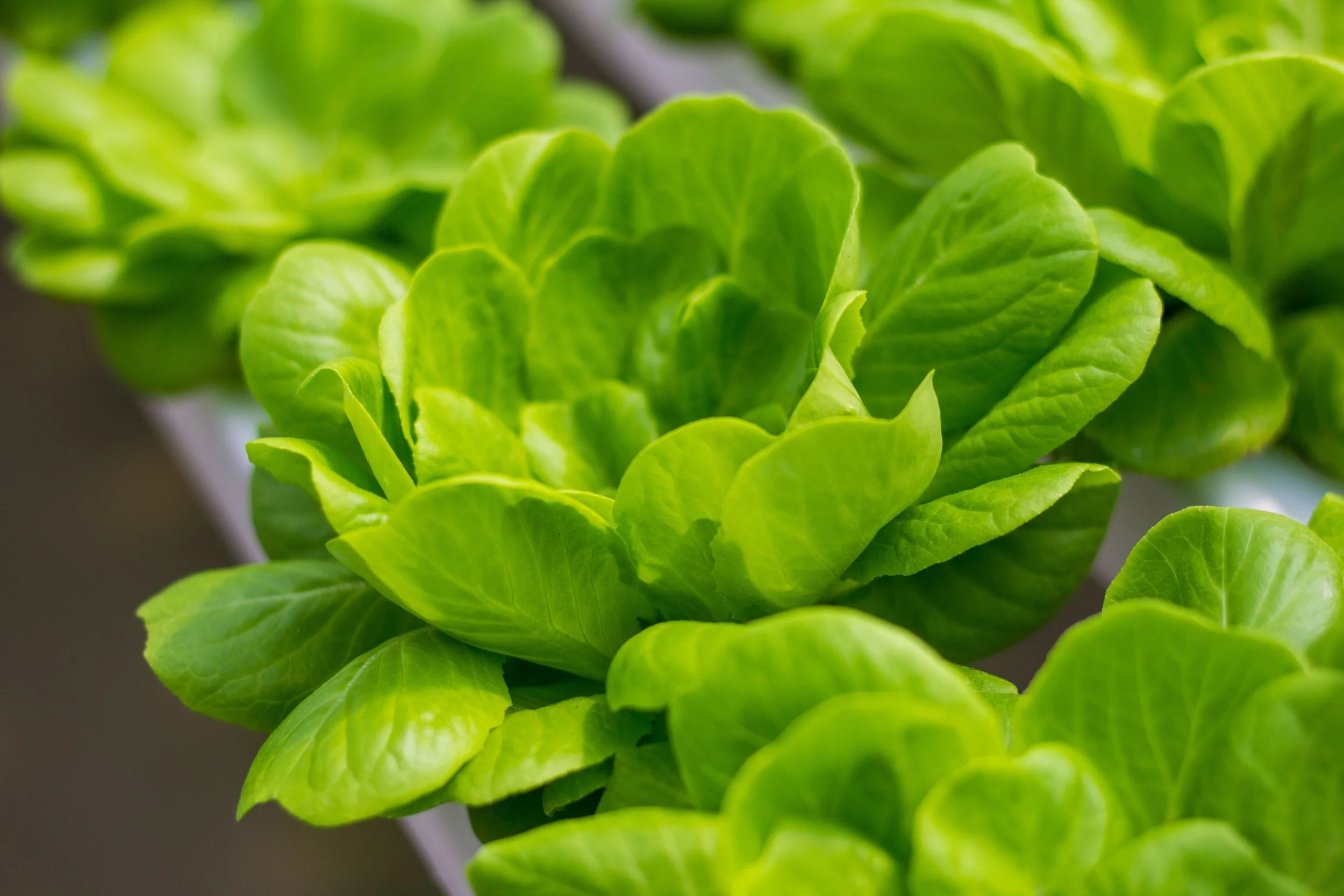
Hydroponics 101: Growing Food Indoors Without a Yard
Across Atlanta, more and more people are discovering that they can grow crisp lettuce, fragrant basil, and even ripe tomatoes on a kitchen counter, a spare shelf, or a sunny windowsill—no soil and no backyard needed.
What to Plant in Atlanta in May: A Week-by-Week Guide for Zone 8a
Atlanta sits in USDA Hardiness Zone 8a, with an average last spring frost around mid-April and a first fall frost in early November. That gives us roughly seven months of growing time, but May is the linchpin. The decisions you make this month set up your summer harvests, your fall garden, and the overall productivity of your kitchen garden for the rest of the year.
Gardening Through Atlanta's Drought: A Practical Survival Guide for the Intown Gardener
As of April 2026, Georgia is enduring its worst drought in nearly 20 years, with roughly 97% of the state under drought conditions and extreme drought gripping Metro Atlanta itself. For Atlanta gardeners, this means rethinking nearly everything about how we water, plant, and care for our beds.
Dig In, Atlanta: The Victory Garden Legacy Behind Today's Kitchen Garden Movement
The concept of home food production as civic duty first emerged during World War I. In 1917, the National War Garden Commission encouraged Americans to cultivate private and public land, generating over five million gardens and more than a billion dollars in food production by the war's end. These "war gardens" laid the groundwork for an even larger movement.
Spring Garden Success in Georgia Starts Now—Here's Your Step-by-Step Guide
Prepare your soil first. Add a fresh layer of compost to your raised beds or garden plot before planting anything. Compost amends the soil and creates a healthy foundation, and you'll notice an immediate difference in color and texture.
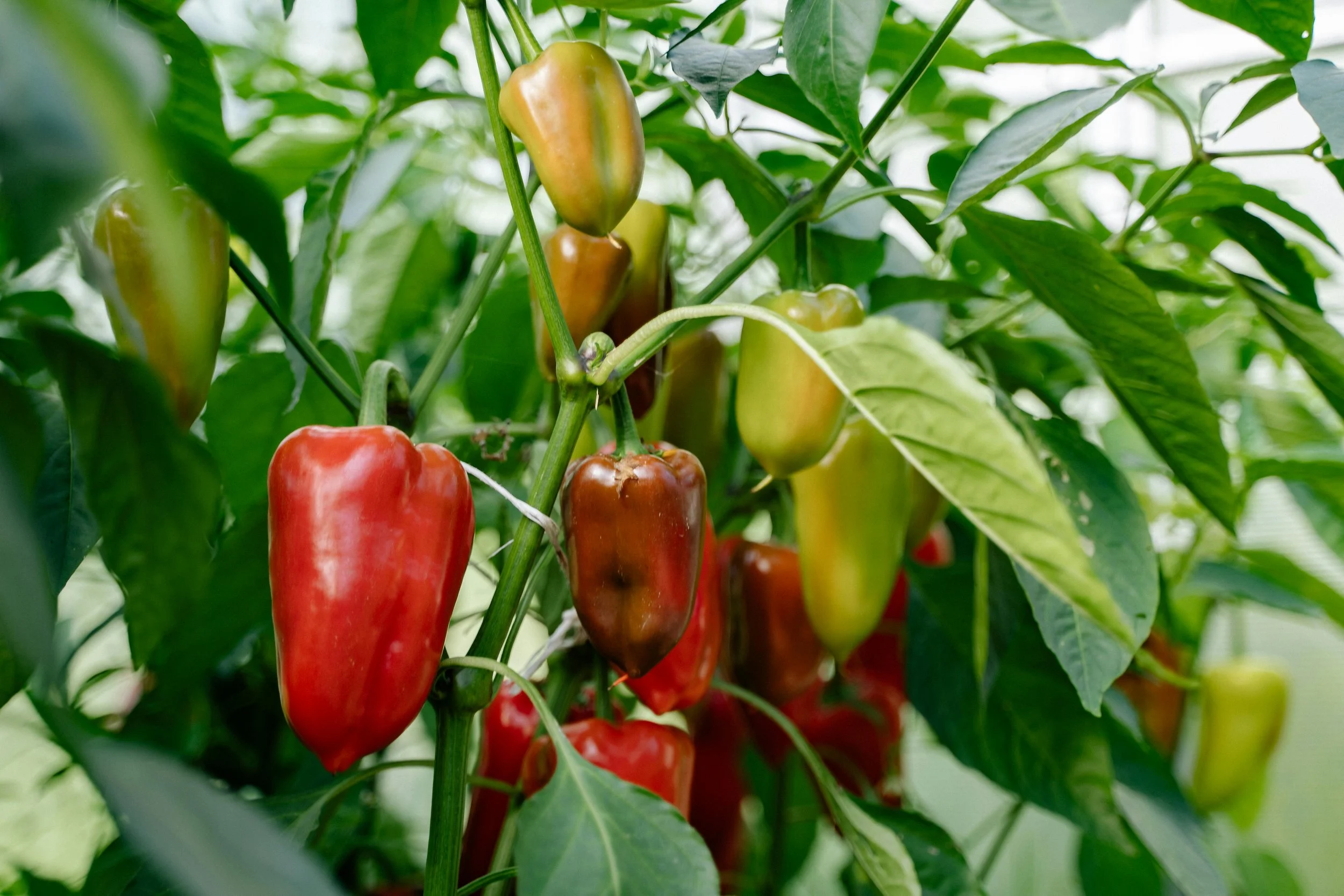
What Is a Kitchen Garden?
Because a kitchen garden sits so close to your home, it's often designed to be as beautiful as it is productive — think raised beds, trellises, and seasonal plantings that look great year-round. It's less about becoming a farmer and more about weaving fresh, homegrown ingredients into your daily life.
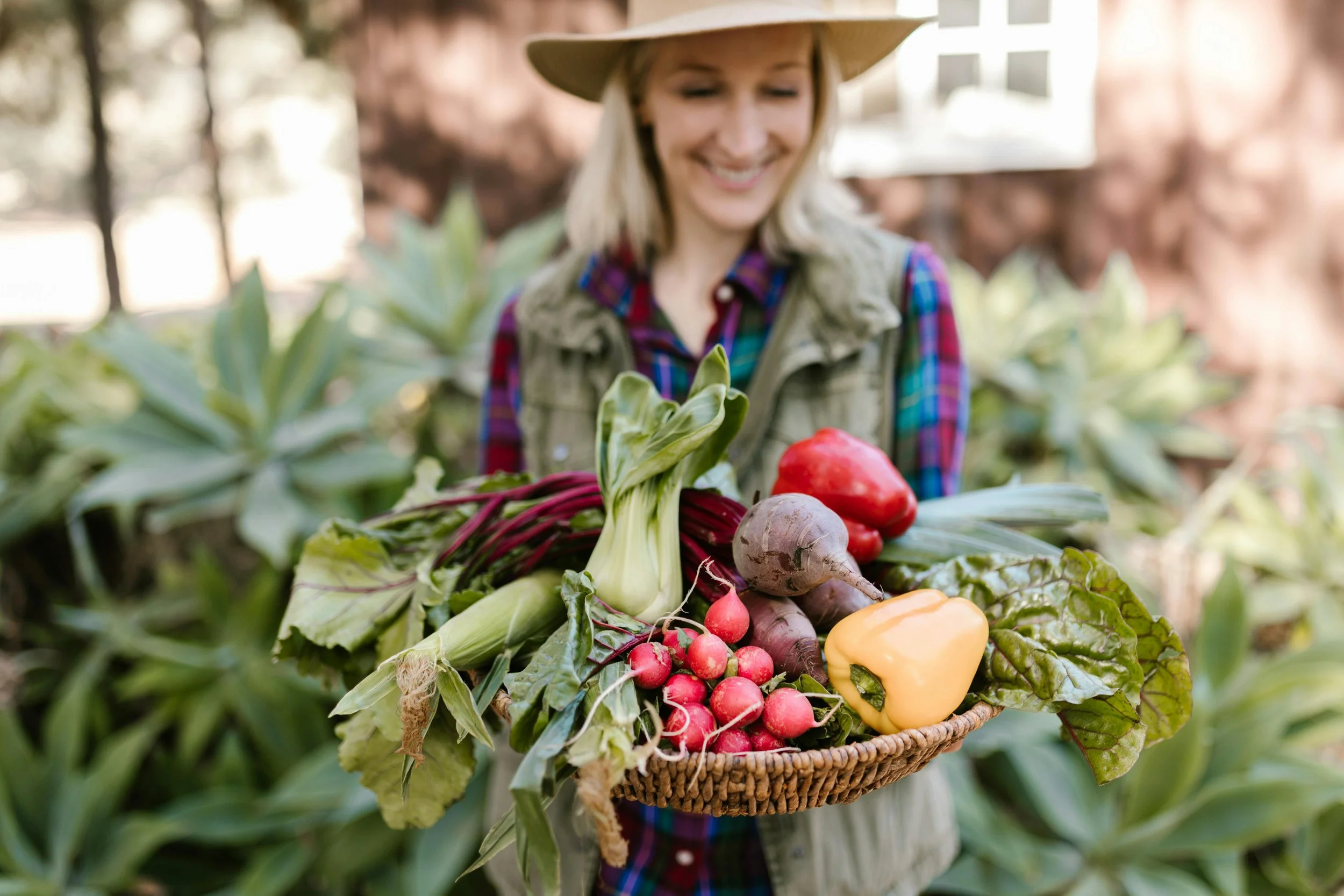
What to Plant in March in Atlanta
Direct-sow beets, radishes, mustard, and turnips into your beds this month. Keep harvesting outer leaves from any lettuce, spinach, or collards you planted earlier to encourage continued production. Cilantro, dill, and parsley can go straight into the ground as soon as soil is workable and will be harvest-ready in about 45 days.
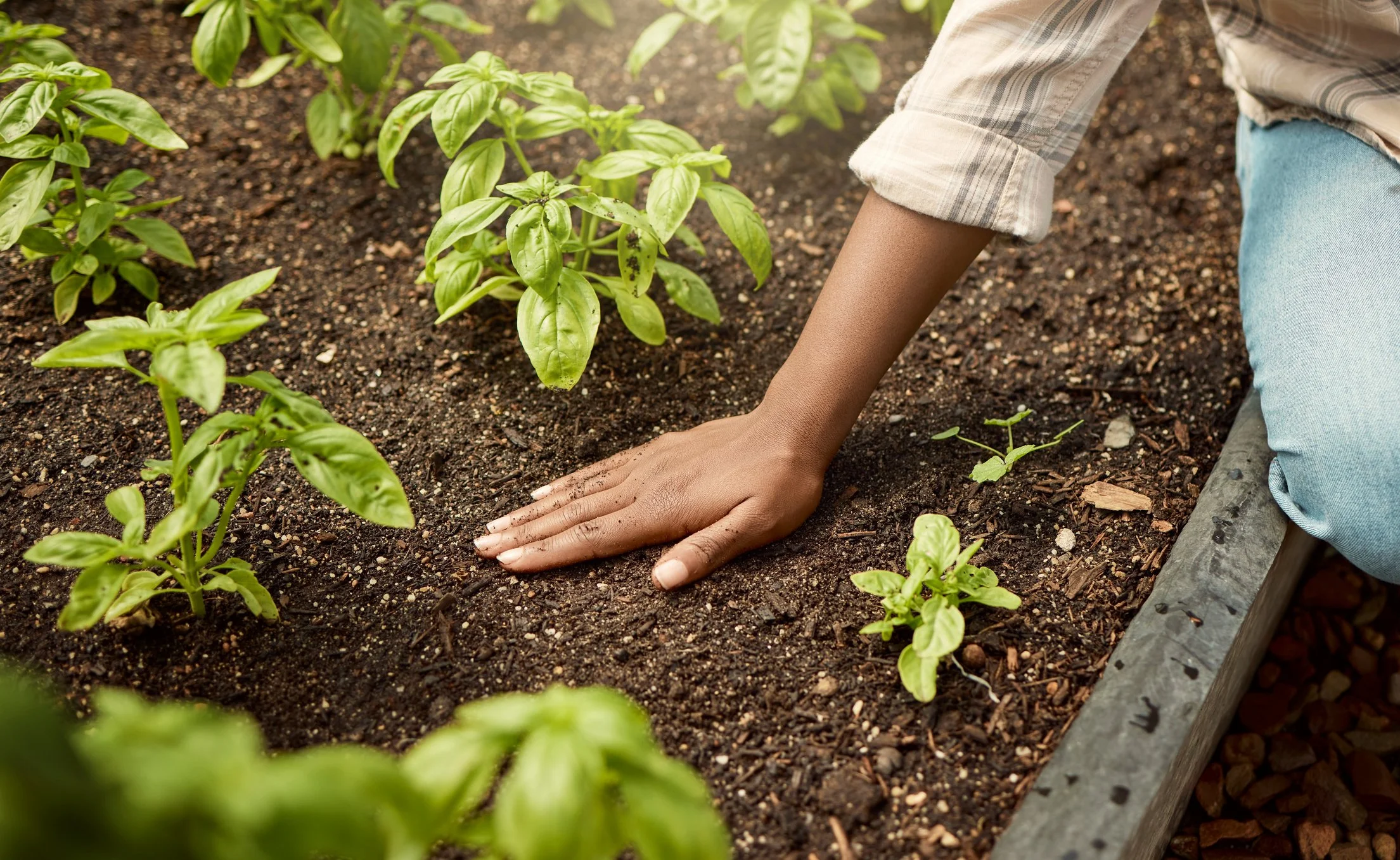
When Is It Safe to Transplant or Plant Outdoors in Atlanta?
In Atlanta (USDA Zone 8a), the average last frost date falls between April 1 and April 15. A widely trusted rule of thumb among local gardeners is to wait until Tax Day — April 15 — before transplanting frost-tender crops like tomatoes, peppers, and basil outdoors.
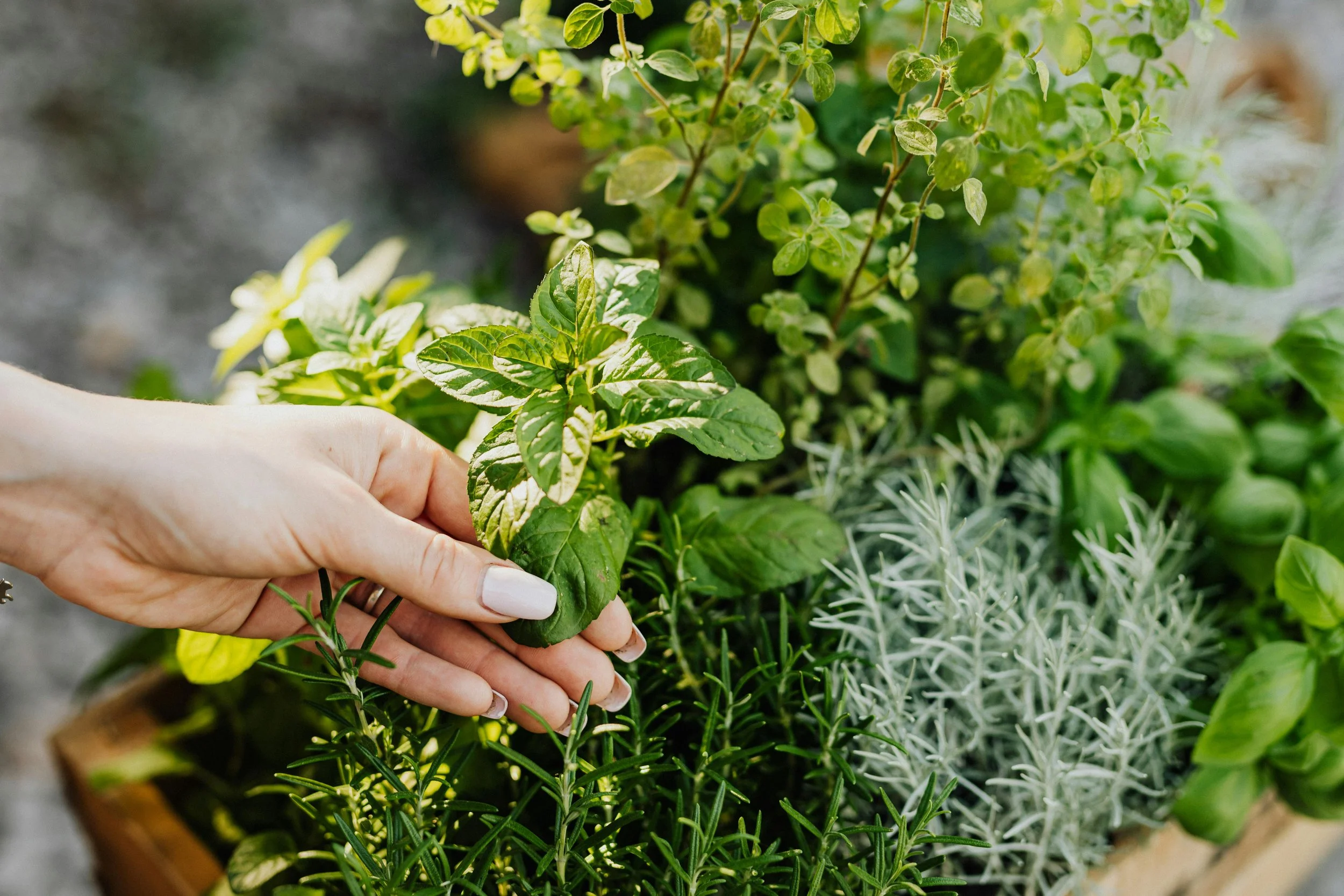
Which medicinal herbs grow well in Atlanta for first-time growers?
Several medicinal herbs are well-suited for first-time gardeners in Atlanta, and you may be surprised how forgiving and rewarding they can be once you understand a few key local growing conditions — starting with the soil beneath your feet.
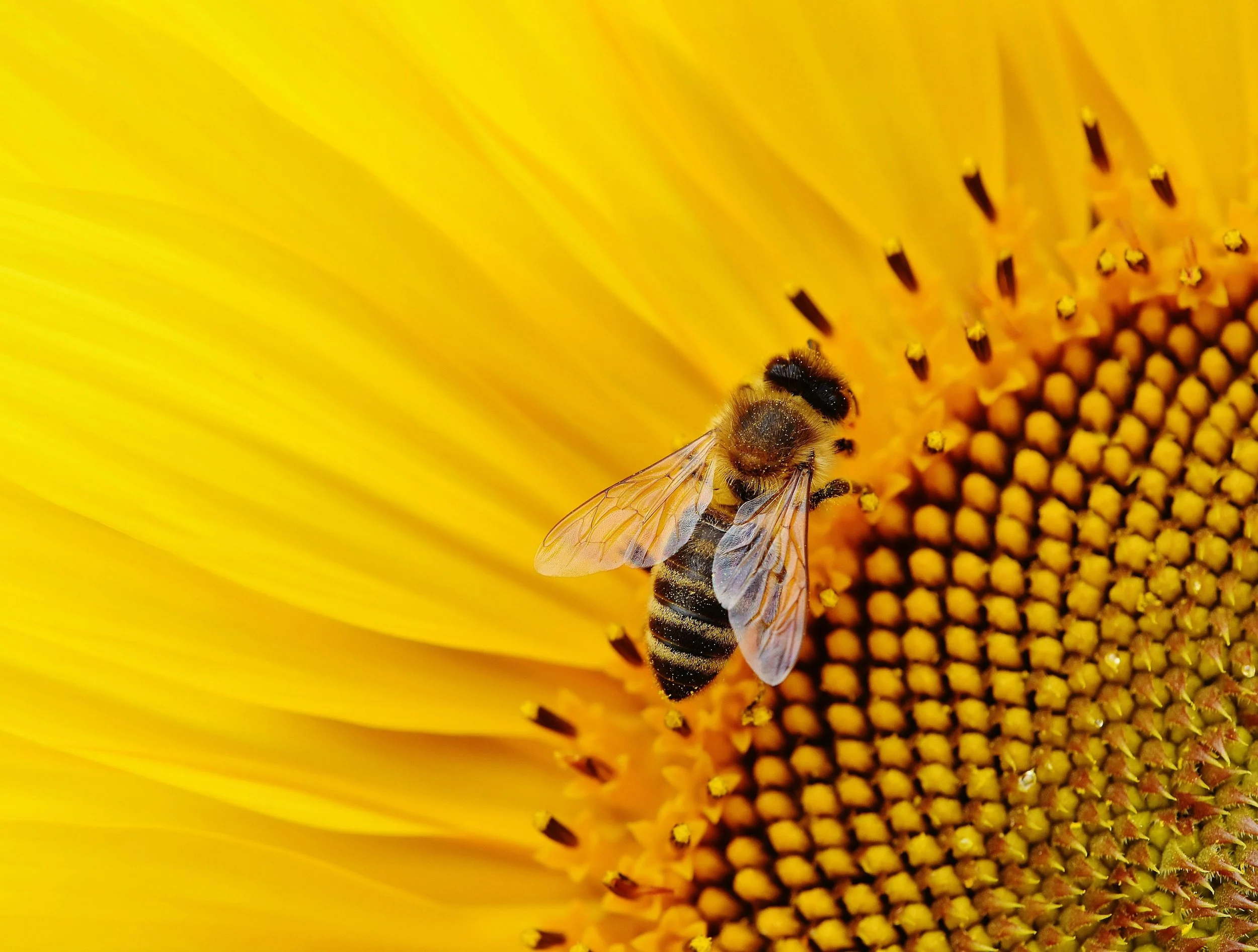
What Herbs Attract Bees in Atlanta?
Few garden investments pay off faster than planting the right herbs — bees find them quickly, visit repeatedly, and reward Atlanta kitchen gardeners with better harvests of tomatoes, peppers, squash, and fruit.
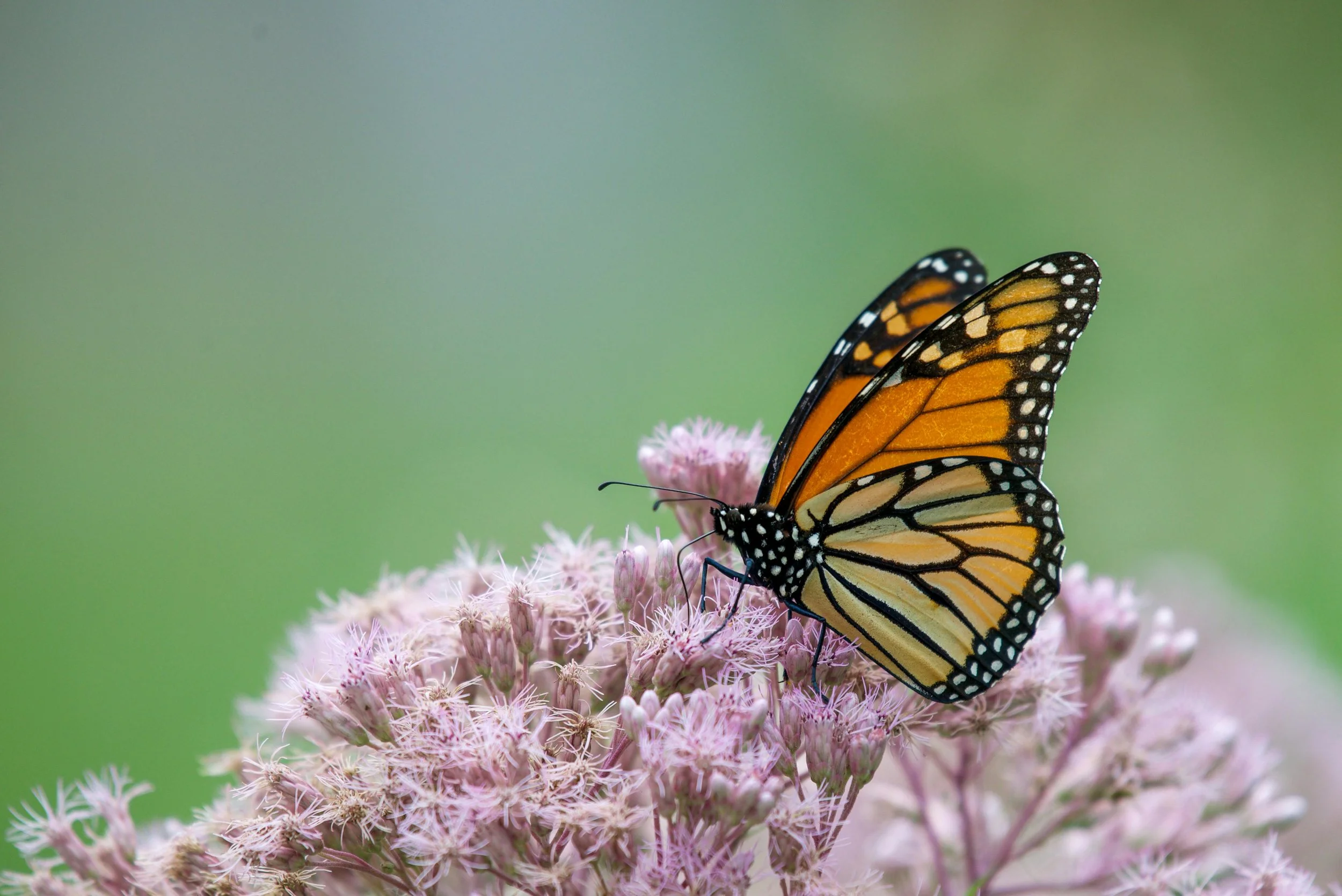
Herbs That Attract Pollinators and Beneficial Insects in Atlanta
Strong performers for Atlanta gardens include catmint, fennel, dill, and cilantro allowed to flower — all of which attract parasitic wasps and hover flies that prey on common garden pests. Leaving a patch of flowering herbs to bolt rather than harvesting everything is one of the simplest strategies for building a beneficial insect ecosystem.